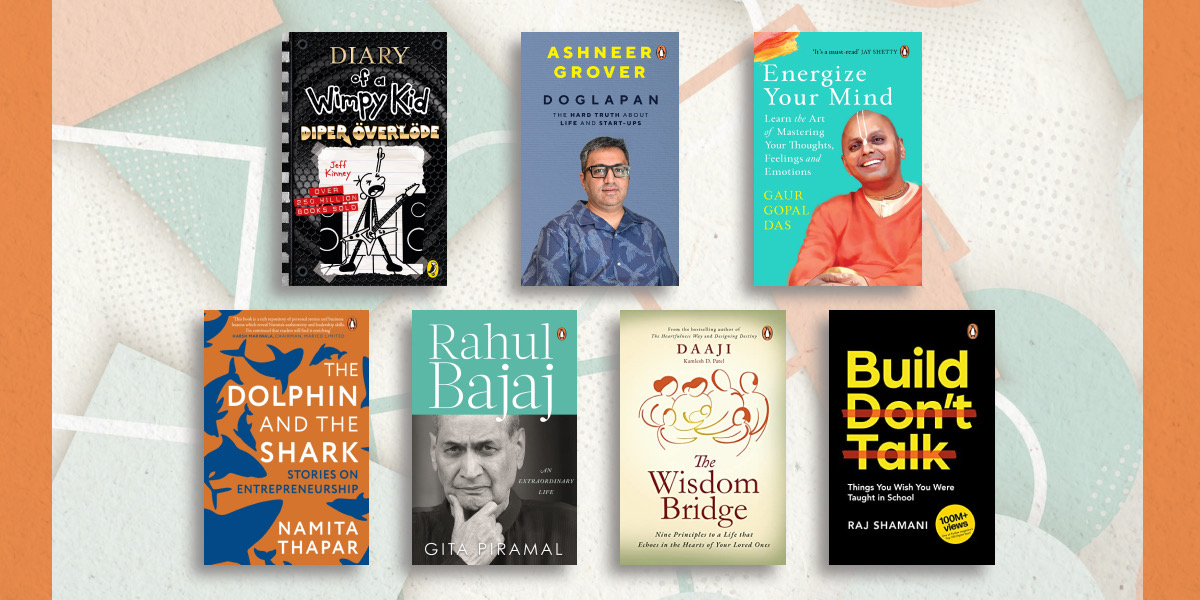
Penguin Random House created history this year with seven major victories at the Golden Book Awards! These wins serve as a testament to our commitment to promoting great stories and fostering a love of reading in people around the world. If you haven’t already, add these seven page-turners to your to-read list.
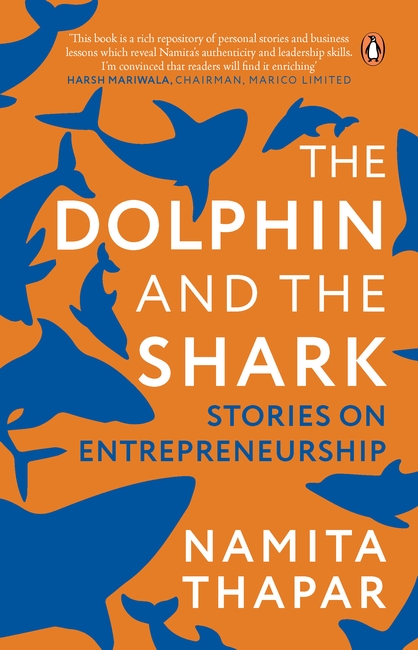
The Dolphin and the Shark by Namita Thapar
The Dolphin and the Shark || Namita Thapar
The Dolphin and the Shark is inspired on Namita Thapar’s experiences as a Shark Tank India judge, operating the India business of the pharmaceutical company Emcure, and establishing her own entrepreneurship institute. The book emphasises how today’s leaders must create a balance between being a shark (an aggressive leader) and a dolphin (empathetic leader).
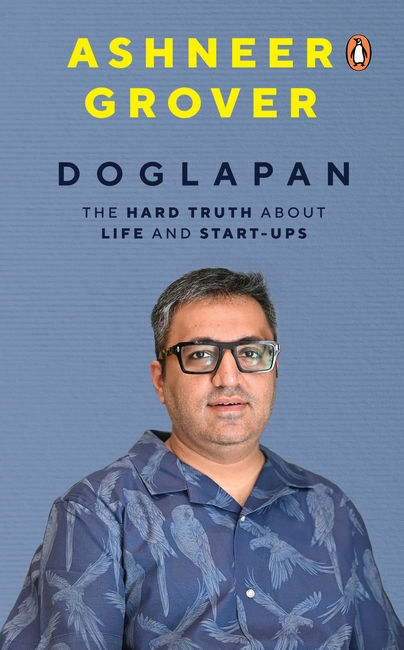
Doglapan by Ashneer Grover
Doglapan || Ashneer Grover
Ashneer becomes a household figure as a judge on the renowned TV show Shark Tank India, even as his life is turned upside down. Controversy, media exposure, and raucous social media conversation overwhelm, making it difficult to separate fact from fantasy. This is the uncensored narrative of Ashneer Grover, the beloved but misunderstood poster boy of Start-up India. This is storytelling at its best: honest, gut-wrenching in its honesty, and completely from the heart.
Energize Your Mind by Gaur Gopal Das
Energize Your Mind || Gaur Gopal Das
Gaur Gopal Das, renowned author and life coach, decodes the mind in this book. He uses anecdotes and analytical studies to educate us how to shape our minds for higher well-being. He gives engaging activities, meditation techniques, and worksheets throughout the book to help us take control of our minds.
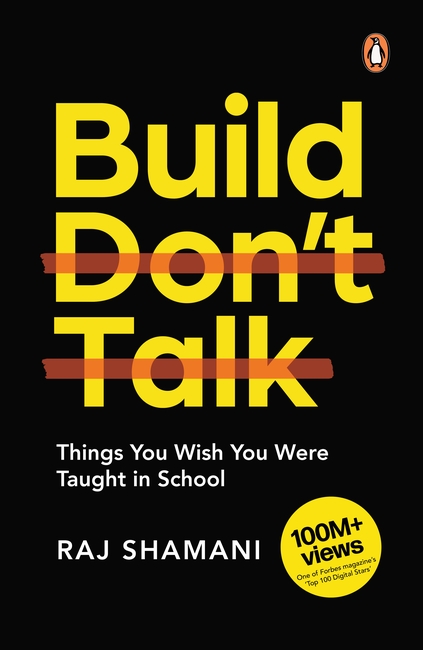
Build, Don’t Talk by Raj Shamani
Build, Don’t Talk || Raj Shamani
Our schools taught us how to run in the race, but not how to win. This book does what our schools couldn’t. To assist you in winning the race. Build, Don’t Talk by Raj Shamani is a must-read since it is packed with excellent tips gathered from his own journey as an entrepreneur and content developer.
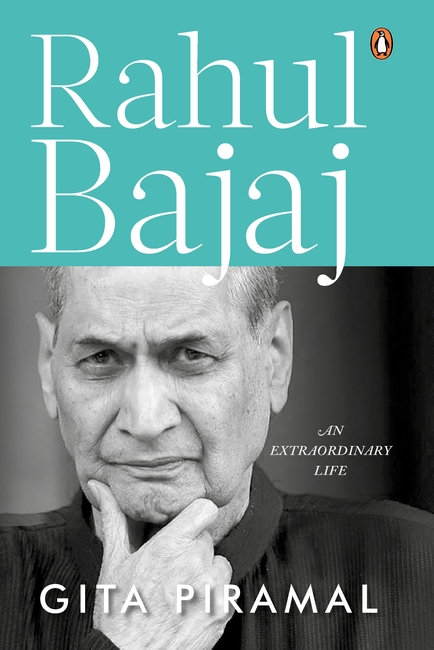
Rahul Bajaj by Gita Piramal
Rahul Bajaj || Gita Piramal
Rahul Bajaj is a millionaire businessman, former member of Parliament, and the chairman emeritus of the Bajaj Group. This book tells the tale of India, not solely Rahul Bajaj. From the time Rahul Bajaj’s mother was imprisoned during the freedom movement to the prism of his eventful life, the author brings us through the country’s evolution.
The book is packed with tales, business lessons, and political asides based on unconstrained interviews. At its heart, it is a touching human narrative.
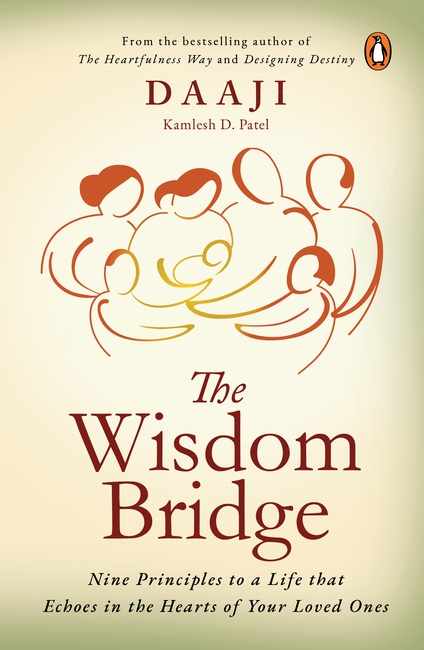
The Wisdom Bridge by Kamlesh D. Patel
The Wisdom Bridge || Kamlesh D. Patel
Daaji outlines nine ideas in The Wisdom Bridge to help you, the reader, live a life that inspires your children and loved ones. These concepts are useful resources for parents, soon-to-be parents, grandparents, and carers who want to live satisfying and joyful lives. They will not only help you enrich your children’s lives and create responsible teenagers, but they will also prepare the way for an inspired life and strong family relationships.
Diary of a Wimpy Kid by Jeff Kinney
Diary of a Wimpy Kid || Jeff Kinney
In Diper Överlöde, book 17 of the Diary of a Wimpy Kid series from #1 international bestselling author Jeff Kinney, Greg Heffley is finding out that the road to fame and glory comes with some hardships.
Greg has no idea what he’s getting himself into when he decides to join his brother Rodrick’s band, Löded Diper. But he soon discovers that late hours, unpaid gigs, band member feuds, and financial difficulties are all part of the rock ‘n’ roll lifestyle. Can Greg assist Löded Diper in becoming the legends they believe they are? Will spending too much time with Rodrick’s band be detrimental?
Looking for a book to accompany your cup of hot coffee these cold days? Here are our February favourites that are absolute page-turners!
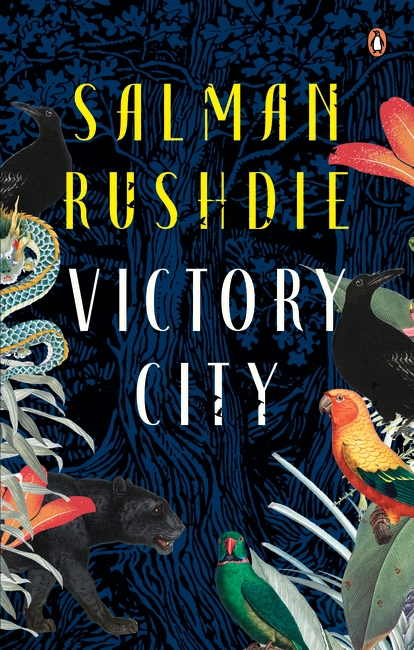
Victory City by Salman Rushdie
Victory City || Salman Rushdie
COMING SOON – from the magnificent mind of Booker Prize-winning, worldwide popular novelist Salman Rushdie comes the epic story of a woman who creates a mythical empire only to be destroyed by it over the years. This chronicle of love, adventure, and myth is brilliantly designed as a translation of a historic tale, and it is a monument to the magic of storytelling in and of itself.
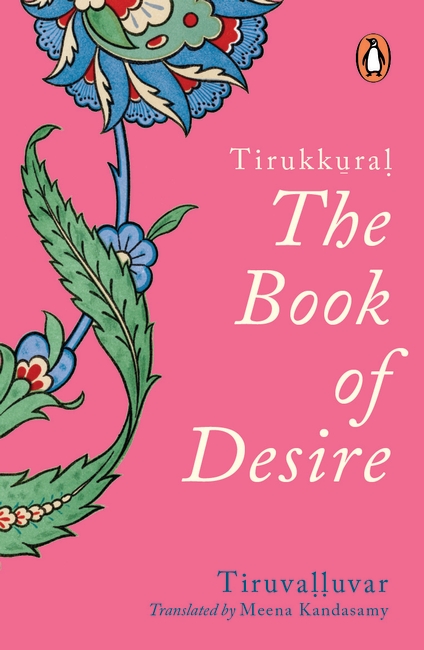
Tirukkural by Meena Kandasamy and Tiruvalluvar
Tirukkural || Meena Kandasamy, Tiruvalluvar
The Kamattu-p-pal, written by Thiruvalluvar, is the third portion of the Tirukkural, one of the most significant manuscripts in Tamil literature. The most intimate element of this wonderful work is also the one that has historically been most restricted.
Meena Kandasamy weaves a magical spell with her trademark wit, lyricism, and passionate insight: taking the reader on a journey through 250 kurals organized under separate headings – ‘The Pleasure of Sex,’ ‘Renouncing Shame,’ ‘The Delights of Sulking’ – the outcome is a brand new, crucial, and exhilarating translation that expresses meaningful messages about female sensuality, agency, and desire.
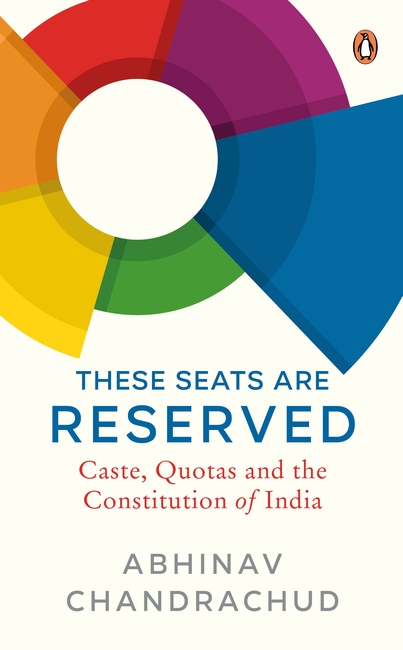
These Seats are Reserved by Abhinav Chandrachud
These Seats are Reserved || Abhinav Chandrachud
Reservation, often known as affirmative action, is a very contentious concept in India. While constitutionally mandated and supported by historians, political scientists, and social activists, many oppose it, seeing it as compromising ‘merit’ and going against the idea of equality of opportunity.
Abhinav analyzes the history and development of the reservation policy in These Seats Are Reserved. Having been thoroughly researched and expertly narrated, this volume is a captivating addition to any thinking person’s library.
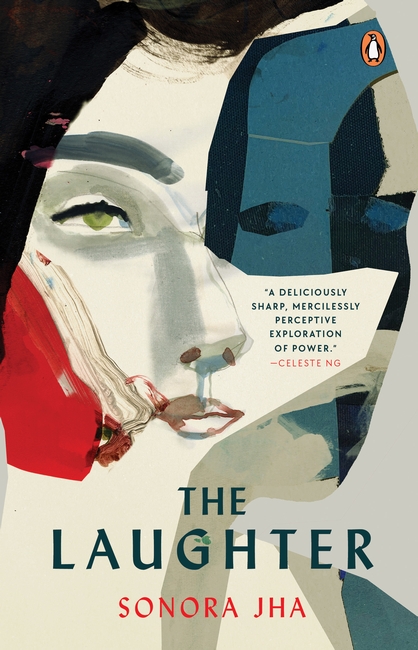
The Laughter by Sonora Jha
The Laughter || Sonora Jha
Sonora Jha has developed a fascinating figure who is both in sync with and out of sync with our times, an intellectual man who inspires and then questions our sympathies. As the novel draws to a close, Jha invites us to reconsider events, revealing a depth of loneliness in unexpected places, the individuality of youth, and the looming menace of white rage in America.
The Laughter, an explosive and tense piece of fiction, is a fascinating depiction of privilege, radicalization, class, and modern academia that compels us to confront our preconceptions as readers and citizens.
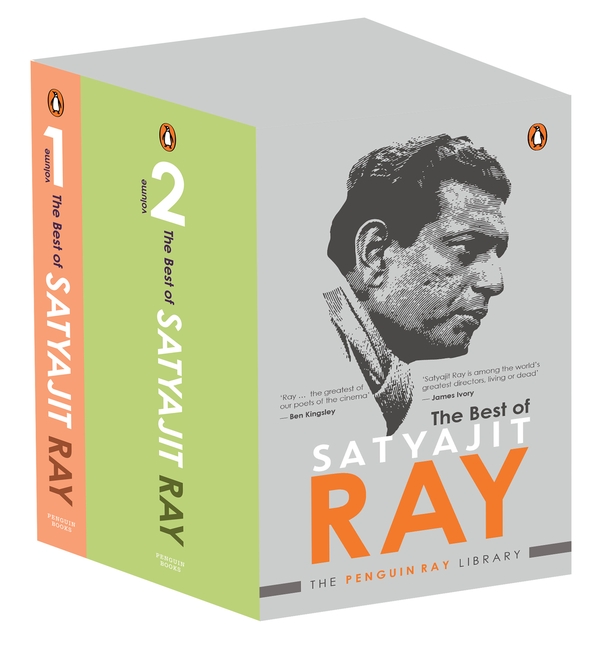
The Best of Satyajit Ray by Satyajit Ray
The Best of Satyajit Ray || Satyajit Ray
From Ray’s enduring creation, professional detective Feluda, to the narratives of Professor Shonku; short stories; writings on filmmaking; and opinions on world and Indian cinema, among many others, this box set, The Best of Satyajit Ray, is not only a treat for Ray enthusiasts but also a collector’s edition.
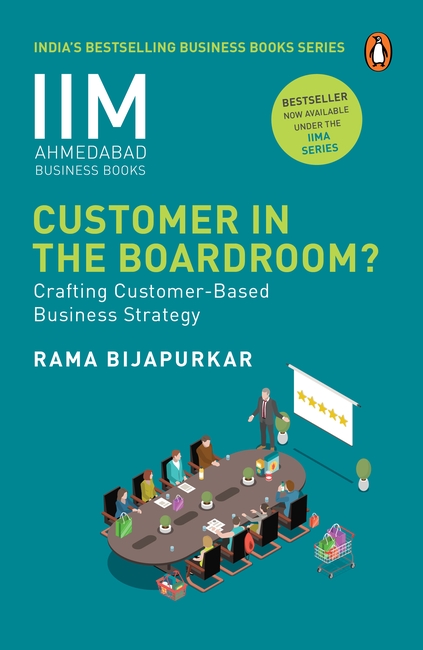
Customer in the Boardroom by Rama Bijapurkar
Customer in the Boardroom || Rama Bijapurkar
Most Indian organisations’ business strategies are characterised by supply-side, tunnel vision of the market, and compulsively competitor-centered methods. Customer in the Boardroom emphasises the importance of firms incorporating customer centricity into their business strategy formulation process if they are to continue to expand profitably and protect their future.
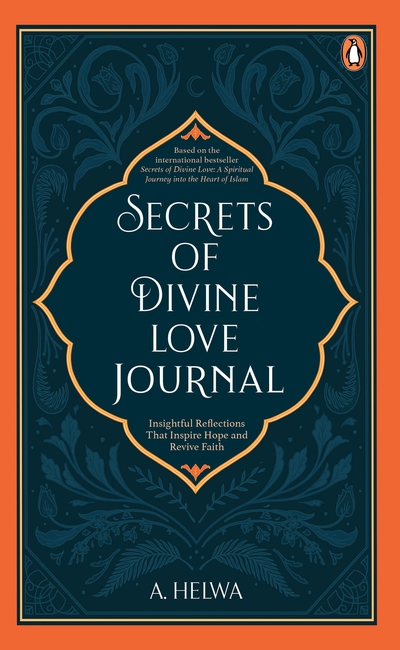
Secrets of Divine Love Journal by A. Helwa
Secrets of Divine Love Journal || A. Helwa
The Secrets of Divine Love Journal is based on the book Secrets of Divine Love: A Spiritual Journey into the Heart of Islam, which was published in 2008. Secrets of Divine Love Journal will help you establish a closer connection to Allah by uniting you with the heart of your faith in a more intimate and inspiring way through heart-centered thoughts, enlightening prompts, and thought-provoking questions.
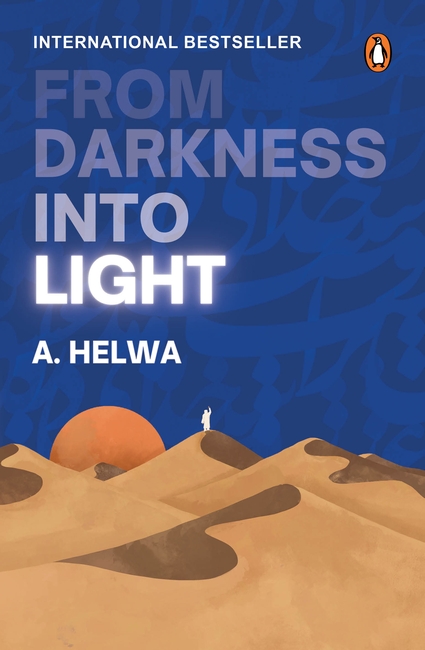
From Darkness into Light by A. Helwa
From Darkness into Light || A. Helwa
From Darkness into Light is a deeply moving collection of poetry on forgiveness, guidance, timeless wisdom, prayer, self-love, faith, and the ultimate journey of the soul to healing, connection, and unity with the One. This book was intended for individuals who want to embark on a spiritual journey. For individuals in search of hope, connection, and a meaningful relationship with Allah.
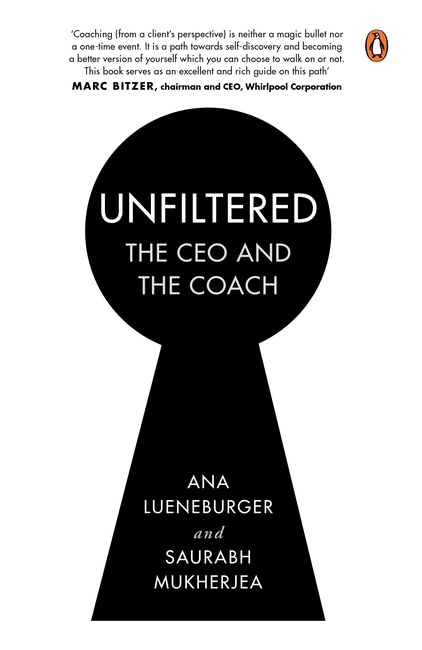
Unfiltered by Saurabh Mukherjea
Unfiltered || Saurabh Mukherjea
Unfiltered: The CEO and the Coach, a pioneering book, for the first time opens the doors that ordinarily shield the confidential world of coaching sessions. The book’s candour assists readers in completely grasping the life-changing influence that coaching may have. As a leadership development book, the writers share the tales (both individual and mutual) of their five-year collaboration. The resulting narrative includes not only unique ideas that executives and entrepreneurs will find valuable for their own development, but also deep insights into how we may master the world by understanding ourselves.
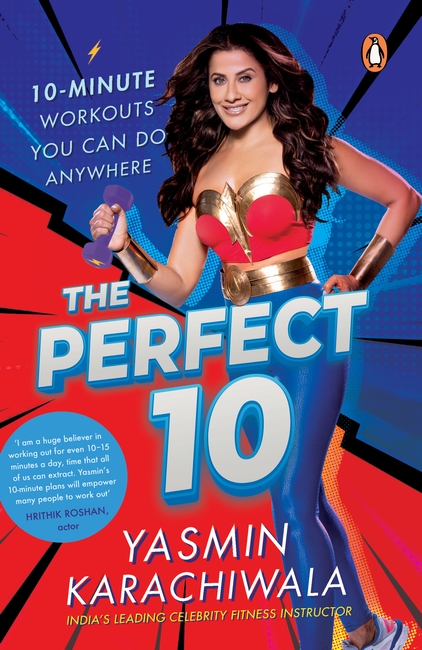
The Perfect 10 by Yasmin Karachiwala
The Perfect 10 || Yasmin Karachiwala
This book will show you that it only takes ten minutes a day to begin your health journey and you will be packed with fitness routines, movement ideas, and lifestyle modifications interspersed with stories of actual people’s adventures. Yasmin Karachiwala is on the move. Observe how your body and life changes.
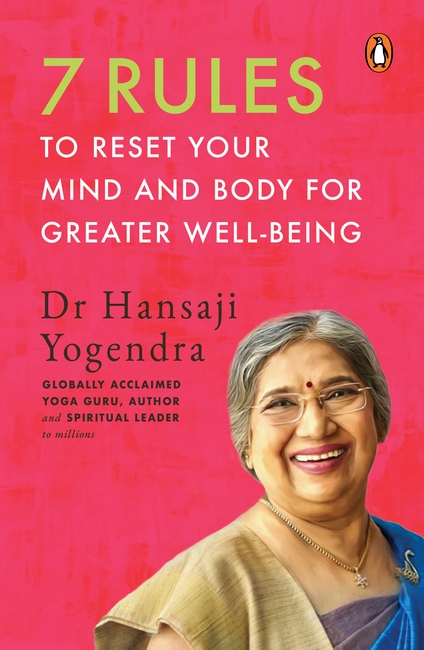
7 Rules to Reset Your Mind and Body by Dr. Hansaji Yogendra
7 Rules to Reset Your Mind and Body || Dr. Hansaji Yogendra
The simple yet practical guide 7 Rules to Reset Your Mind and Body for Greater Well-Being is what you need to read to regain control. This step-by-step book, written by The Yoga Institute’s most acclaimed and regarded Dr Hansaji Yogendra, emphasizes the necessity of achieving and maintaining balance in all parts of your life.
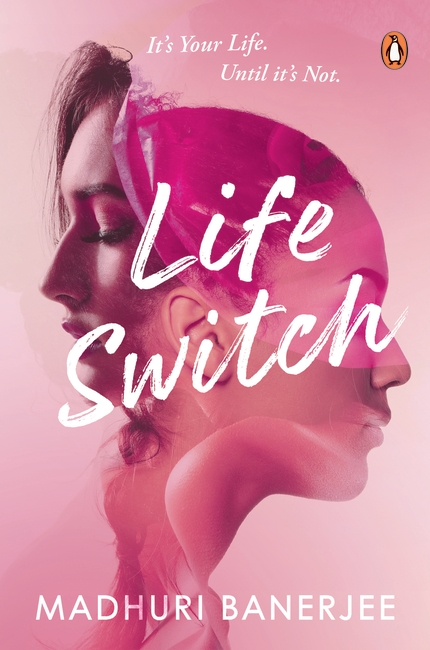
Life Switch by Madhuri Banerjee
Life Switch || Madhuri Banerjee
Life Switch is a thrilling, emotional, dramatic, and erotic love story. Nandita, a staid housewife, switches lives with Annie, her doppelgänger. She swaps her phone, her house, her husband, and her mundane family life for Annie’s dazzling business life at an advertising agency. When secrets are revealed, their lives become brutally difficult.
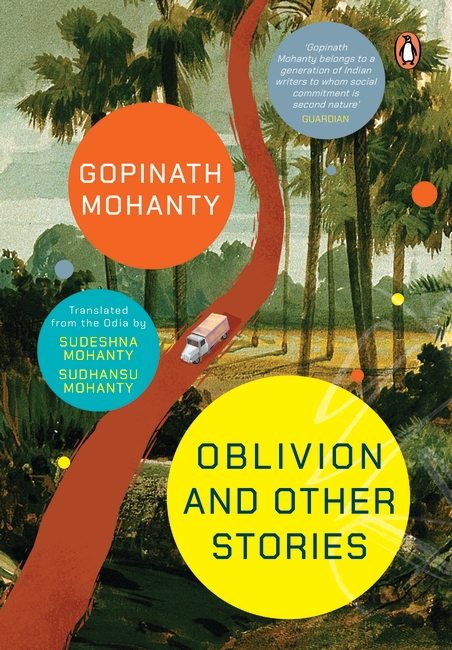
Oblivion and Other Stories by Gopinath Mohnaty
Oblivion and Other Stories || Gopinath Mohnaty
Gopinath Mohanty’s anthology Oblivion and Other Stories contains twenty short stories. They portray the forgotten ones, the monotony of living on the outside of life—of the impoverished, tribals, and regular people—invisible amid the feudal environment of Orissa in the twentieth century.
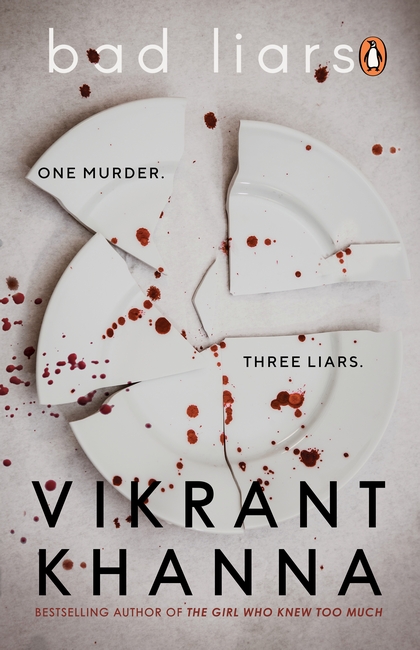
Bad Liars by Vikrant Khanna
Bad Liars || Vikrant Khanna
When the body of a well-known fund manager, Anant Kapoor, is discovered in his home, the police quickly suspect his wife of murder. She has no excuse, and she stands to benefit directly from his death. However, when the police dig deeper, they discover two other suspects who are equally likely to commit the crime. Who, and more importantly, why, killed Anant?
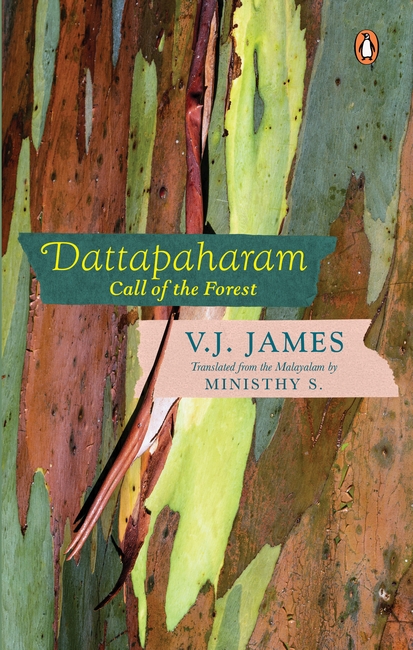
Dattapaharam by V.J. James
Dattapaharam || V.J. James
Dattapaharam, a novel by critically acclaimed and bestselling Malayalam author V.J. James, is a rumination on solitude, man’s connection with nature, and the strings that bind us to this world. It is a surreal novel in which the author’s imagination soars like an eagle and words flow like the untouched springs in a rainforest. Dattapaharam is a powerful novel for our anthropocentric age, written by one of the most exciting voices to emerge from the Indian subcontinent. It is at times a fable on the modern world, at times a search for identity amid a quest for discovery, and on the whole a moving tale that takes the reader deep into the forests to understand what truly makes us human.
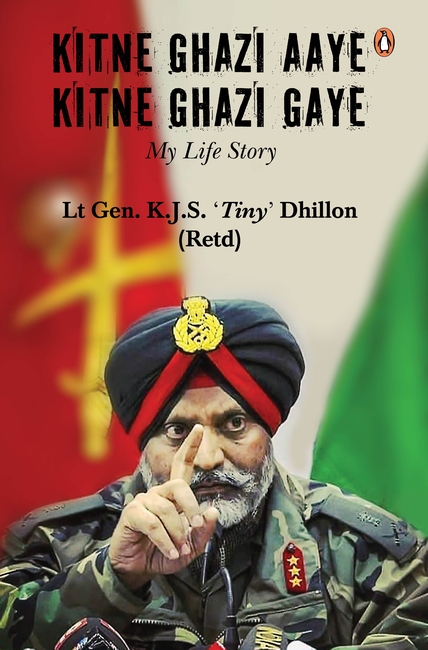
Kitne Ghazi Aaye Kitne Ghazi Gaye by K.J.S. Dhillon
Kitne Ghazi Aaye, Kitne Ghazi Gaye is an autobiographical, candid, and emotive account of an Army veteran’s life. It concentrates on the personal, professional, and, most significantly, family life of an Army soldier, and will not only provide insight into the challenges and tribulations he endured, but will also inspire a broad range of readers, particularly young defence aspirants.
The Jaipur Literature Festival, also called the ‘greatest literary show on Earth’, is the Multiverse of Madness for every littérateur! Over one lakh people attended the 16th edition of the Jaipur Literature Festival last week, which featured sessions by over 500 speakers and artists from around the globe. Here’s a recap of Penguin at JLF 2023!
Pic 1: Visitors pay homage to the festival with heartfelt messages Pic 2: #SPOTTED Namita Gokhale’s The Blind Matriarch finds it’s way to the streets of the Pink City
In the words of Festival Director, Namita Gokhale, “The Jaipur Literature Festival 2023 had an emphasis on translations and shared human narratives. Writers and translators broke beyond the boundaries of language and reached out across cultures and continents.
2023 was truly a vintage year with a stellar range of writers from India and across the world. The audiences were as ever deeply engaged and responsive. Five days of lucid dreaming with intellect and creative imagination at play.”
Pic 1: Children line up to have their copies signed by the iconic Sudha Murty. Pic 2: Bestselling author Durjoy Datta draws massive crowds during his opening session at JLF Day 1.
This year, Penguin presented India’s budding writers with an exciting, once-in-a-lifetime lifetime! The Perfect Pitch is a contest where writers get a chance to pitch their book to a jury of eminent people from the world of publishing.
Five shortlisted authors got to pitch their book to a distinguished panel at JLF with the winner being offered exclusive one-on-one mentorship, for a chance for them to hone their talent and polish their book. The mentors and jury included two editors from Penguin – Elizabeth Kuruvilla and Gurveen Chadha – author of Manjhi’s Mayhem, Tanuj Solanki, and Shreya Punj, also known as The Editor Recommends.
Our winner for the first edition of The Perfect Pitch was Subi Taba.
Pic 3: Meet the Perfect Pitch jury and finalists!
Subi Taba, the winner of The Perfect PitchSubi Taba being announced the winner of The Perfect Pitch 2023
The icing on the cake for us was to see so many of our debut authors at the festival this year, and the cherry on top? Six of our books made it to the top fifteen bestsellers!
Penguin authors among the Top 15 Bestsellers at JLF 2023 ?
Energize Your Mind by Gaur Gopal Das
Energize Your Mind || Gaur Gopal Das
Gaur Gopal Das, renowned author and life coach, decodes the mind in this book. He uses anecdotes and analytical studies to educate us how to discipline our minds for higher well-being. He gives engaging activities, meditation techniques, and worksheets throughout the book to help us take control of our minds.
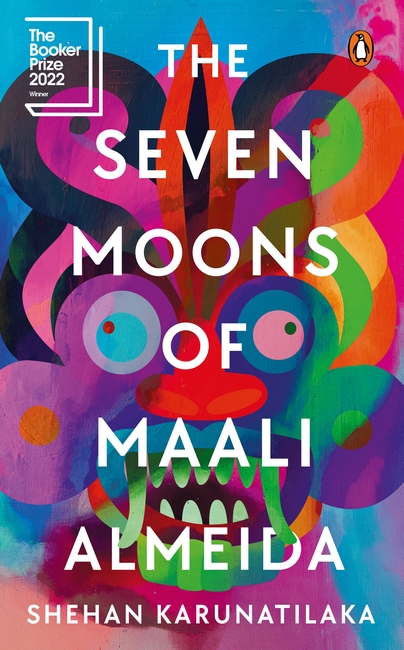
The Seven Moons of Maali Almeida by Shehan Karunatilaka
The Seven Moons of Maali Almeida || Shehan Karunatilaka
Set in Colombo, 1990, Maali Almeida, a war photographer, gambler, and closet gay, has died in what appears to be a celestial visa office. His dismembered body is sinking in Beira Lake, and he has no idea who killed him. At a time when scores are settled by death squads, suicide bombers, and hired thugs, the list of suspects is depressingly long, as the ghouls and ghosts who gather around him can attest. Even in the afterlife, Maali’s time is running short. He has seven moons to contact the man and woman he loves the most and lead them to a hidden stockpile of images that will rock Sri Lanka.
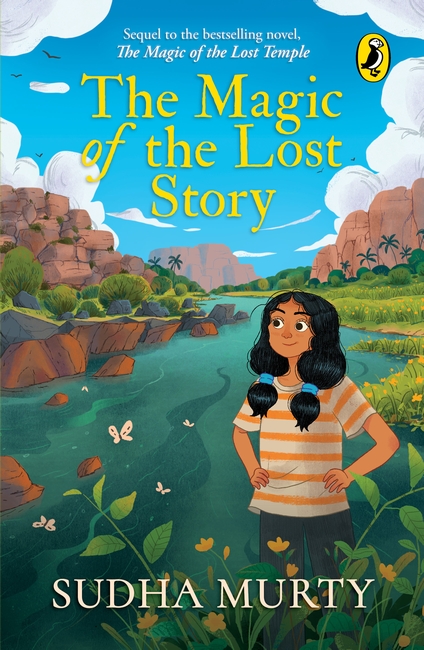
The Magic of the Lost Story by Sudha Murty
The Magic of the Lost Story || Sudha Murty
The Magic of the Lost Story, written in India’s favourite storyteller, Sudha Murty’s, distinctive style, captures the value of asking questions and keeping the answers alive. This story takes you on an unforgettable adventure as it follows the gorgeous Tungabhadra River, which is filled with delightful artworks and wondrous terrains.
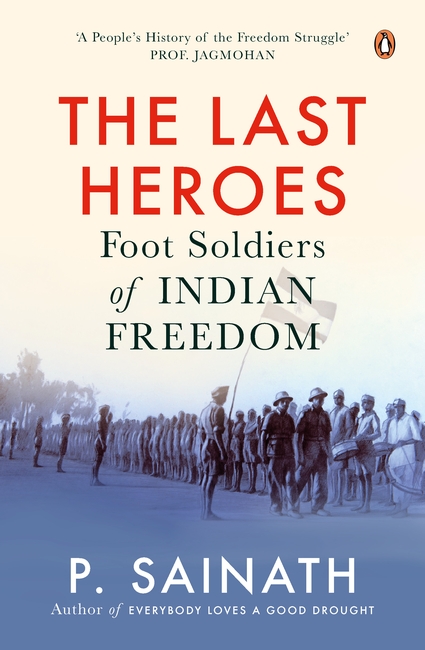
The Last Heroes by P Sainath
The Last Heroes || P. Sainath
The Last Heroes tells the stories of the footsoldiers who fought for Indian independence. The men, women, and children in this book include Adivasis, Dalits, OBCs, Brahmins, Muslims, Sikhs, and Hindus. They are from all across the country, speak a variety of languages, and include atheists and believers, Leftists, Gandhians, and Ambedkarites.
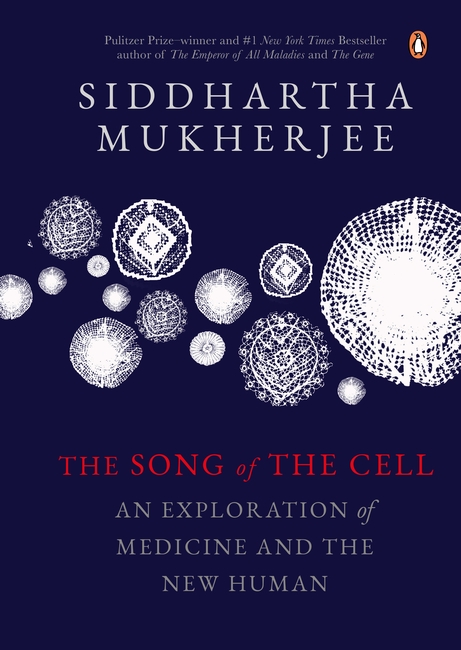
The Song of the Cell by Siddhartha Mukherjee
The Song of the Cell || Siddhartha Mukherjee
In The Song of the Cell, Siddhartha Mukherjee narrates the tale of how scientists discovered cells, began to comprehend them, and are now using that knowledge to create new humans. He entices readers with writing that is vibrant, lucid, and intriguing, making complex science exciting. The Song of the Cell is a masterwork, told in six sections and filled with Mukherjee’s personal experience as a researcher, clinician, and voracious reader.
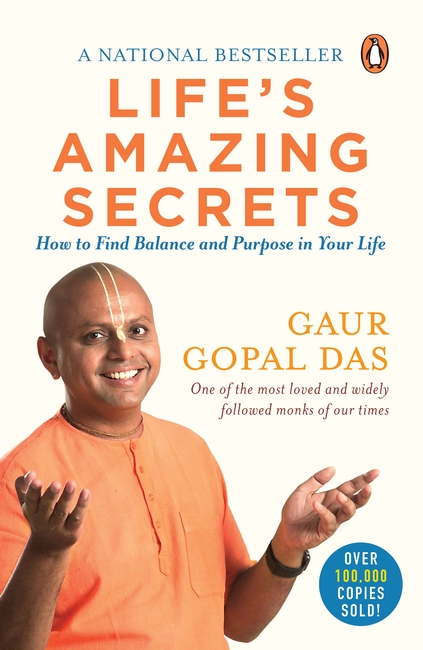
Life’s Amazing Secrets by Gaur Gopal Das
Life’s Amazing Secrets || Gaur Gopal Das
Gaur Gopal Das is one of the world’s most well-known and sought-after monks and life coaches, having taught millions of people. Life’s Amazing Secrets, his debut book, distils his life experiences and lessons into a light-hearted, thought-provoking book that will help you match yourself with the life you want to live.
Check out our must-read debut authors! ?
Hacking Health by Mukesh Bansal
Hacking Health || Mukesh Bansal
Mukesh Bansal tackles the monumental challenge of deciphering science, summarizing research, and charting the journey of our relationship with our bodies in Hacking Health. This book draws from ancient wisdom while also debunking unscientific myths to help you make informed choices in pursuit of good health, using a blend of firsthand opinion and cutting-edge science. This book looks into the breadth and depth of holistic health and helps you traverse the lines between science and pseudoscience, from nutrition and exercise to relaxation and immunity, proper nutrition and mental health to ageing and lifespan.
Slow is Beautiful by Gunjan Ahlawat
Slow is Beautiful || Ahlawat Gunjan
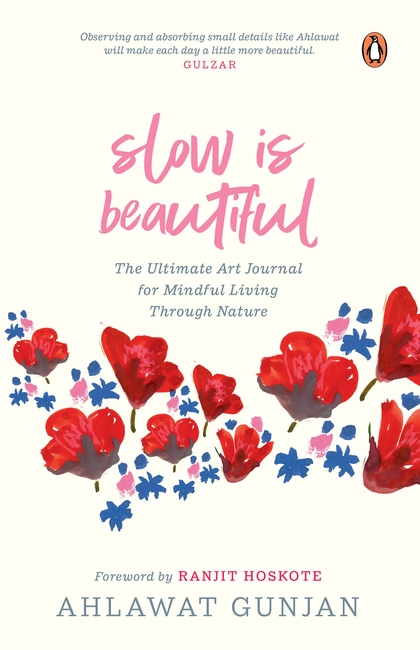
Slow is Beautiful is the opportunity to go on an adventure filled with awareness and contemplation in the form of an exhilarating book. Through the eyes of the author, Ahlawat Gunjan, we get to perceive, evaluate, contemplate, and apply using artistic abilities developed through years of study to re-ignite a lost inclination. The book urges you to embrace a new aesthetic viewpoint by introducing you to form, colour, and composition. Every one of the sixty simple prompts in this book is an important step that is illustrated by vivid ink and watercolour drawings drawn from nature and created and carefully crafted by the artist himself to inspire readers to draw, erase, paint, experiment, create, and, most importantly, accept their mistakes.
Rethink Ageing by Nidhi Chawla & Reshmi Chakrobarty
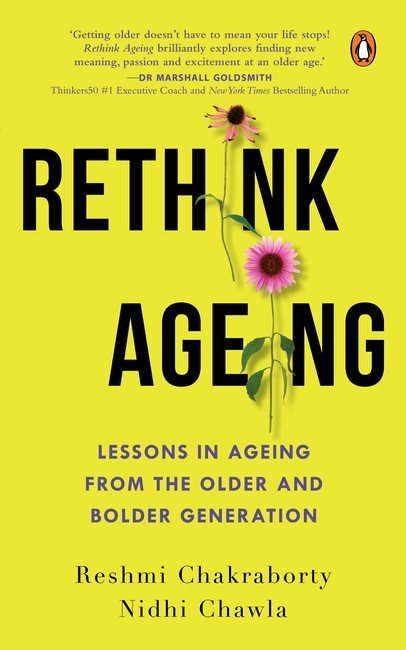
Rethink Ageing is a montage of significant stories that demonstrate how the narrative of ageing in India is changing. They fight ageism, which is deeply ingrained in Indian culture, with rigid ideals of ‘acceptable’ behaviour. Why should our age prohibit us from pursuing the lives we desire? We live in an ageing community that is adjusting to nuclear families, distant children, and ambiguous social support. To adopt active ageing, the best form of preventative healthcare, urban Indians are negotiating health difficulties, loneliness, and changing social benchmarks. This book offers a comprehensive insight into comprehending ageing, its influence on society, and how to conquer certain ‘obstacles’. We are no longer defined and restricted to our biological age.
I Am Onir and I am Gay by Onir
I Am Onir and I Am Gay || Onir
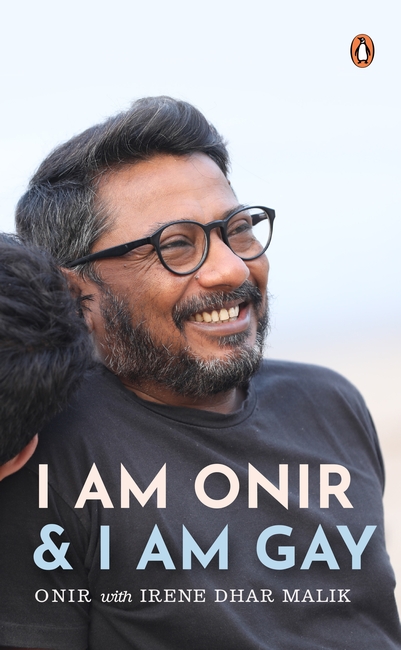
I Am Onir and I Am Gay is a powerful autobiography on addressing and conquering obstacles. This visceral and brutally honest personal story of faith, love, and the pursuit of dreams, co-written with his sister Irene Dhar Malik, is a game changer.
All the Right People by Priyanka Khanna
All the Right People || Priyanka Khanna
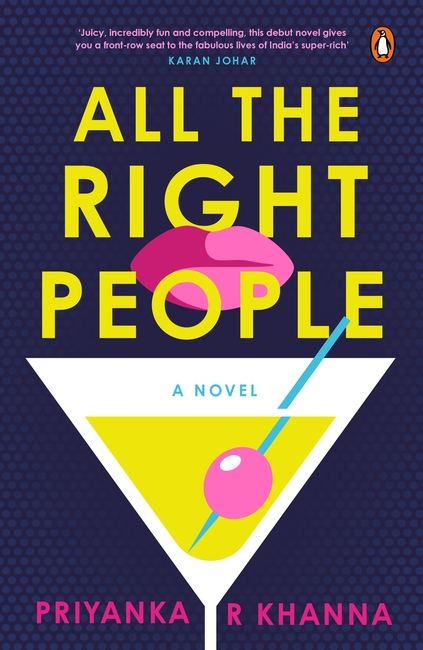
Shaan Singh, a Delhi party girl by night and a senior politician’s obedient daughter by day, understands whatever role to play to get her way. She is feisty and highly brilliant, and she has her own political ambitions. How far would she go to keep her freedom if her parents drive her into marriage for strategic reasons? Or will she succumb?
All The Right People is a glittering, whip-smart, and extremely amusing book that takes you into the secret, privileged world of the most wealthy and powerful families in Bombay, Delhi, and London while telling a universal story. Of love, loss, family, friendship, and difficult decisions a nd of women reclaiming control of their lives.
Half Empress by Tripti Pandey
The Half Empress || Tripti Pandey
Tripti Pandey’s historical novel The Half Empress takes the reader to the regal hallways of nineteenth-century Jaipur and recounts the tale of a magnificent woman who has been deliberately erased from history. Raskapoor, the daughter of a Muslim mother and a Brahmin father, is best remembered today by the guides who often cite her as a celebrity prisoner at the famous Nahargarh Fort, upon whom the Maharaja violated all standards to give the title of ‘Half Empress’.
Mohandas Karamchand Gandhi lives on in the heart of every Indian. His contributions as a freedom fighter and political leader continue to inspire people from all over the world. This Martyrs’ Day, lets sift through these books and recall the sacrifices of Mahatma Gandhi and several other freedom fighters who risked their lives to safeguard our nation.
Gandhi’s Assassin by Dhirendra K. Jha
Gandhi’s Assassin || Dhirendra K. Jha
Gandhi’s Assassin: The Making of Nathuram Godse and His Idea of India delves into Godse’s encounters with the people and organisations that shaped his worldview and gave him a feeling of purpose. The book recounts Godse’s gradual hardening of determination, as well as the tragic decisions and intrigue that eventually led to Mahatma Gandhi’s death in the turbulent aftermath of India’s independence in 1947.
Kitne Ghazi Aaye, Kitne Ghazi Gaye by Lt Gen KJS ‘Tiny’ Dhillon
Kitne Ghazi Aaye, Kitne Ghazi Gaye is an anecdotal, frank, and evocative account of an Army veteran’s life. It concentrates on the personal, professional, and, most significantly, family life of an Army soldier, and will not only provide insight into the challenges and tribulations he endured, but will also inspire a broad range of readers, particularly young defence aspirants.
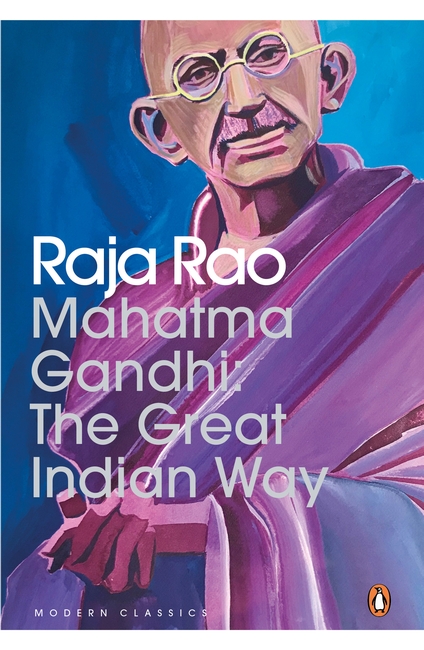
Mahatma Gandhi by Raja Rao
Mahatma Gandhi || Raja Rao
Mahatma Gandhi’s life is the story of a hero. Raja Rao upends the literary biography genre with imaginative non-linear chronology, through dialogue and anecdote, locating the physical within the metaphysical, and with a book that is both retrospective and contemporary at the same time in Mahatma Gandhi: The Great Indian Way. Rao concentrates on Gandhi’s years in South Africa, the birthplace of nonviolent resistance, before moving on to the epic independence struggle in India, which won Gandhi worldwide acclaim during his lifetime.
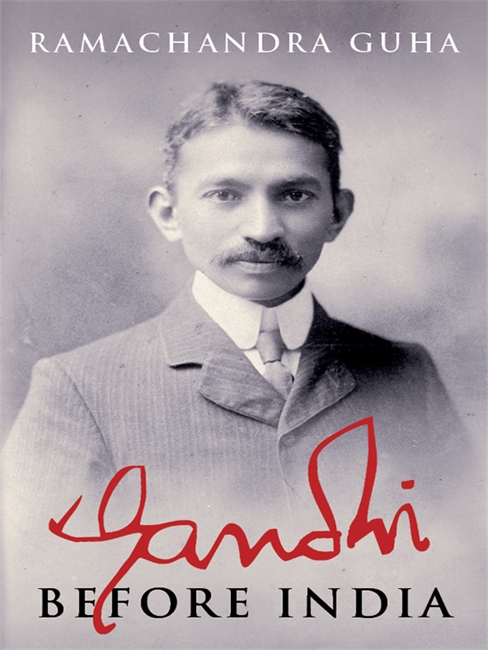
Gandhi before India by Ramachandra Guha
Gandhi Before India || Ramachandra Guha
Based on archival research in four continents, this book explores Gandhi’s experiments with dissident cults, his friendships and enmities, and his failures as a husband and father. Gandhi Before India tells the dramatic story of how he mobilized a cross-class and inter-religious coalition, pledged to non-violence in their battle against a racist regime.
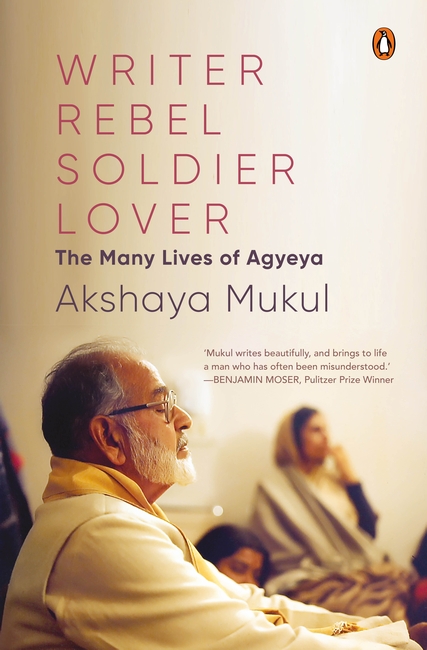
Writer, Rebel, Soldier, Lover by Akshaya Mukul
Writer, Rebel, Soldier, Lover || Akshaya Mukul
Premchand, Phanishwarnath Renu, Raja Rao, Mulk Raj Anand, and Josephine Miles are among the writers featured in Writer, Rebel, Soldier, Lover, as are Prime Minister Jawaharlal Nehru, revolutionary Chandra Shekhar Azad, and actor Balraj Sahni. Its settings range from British prisons to an academically vigorous Allahabad and present-day Delhi, as well as monasteries in Europe. is ambitious and intellectual, but it’s also an achingly beautiful tempest of a read.
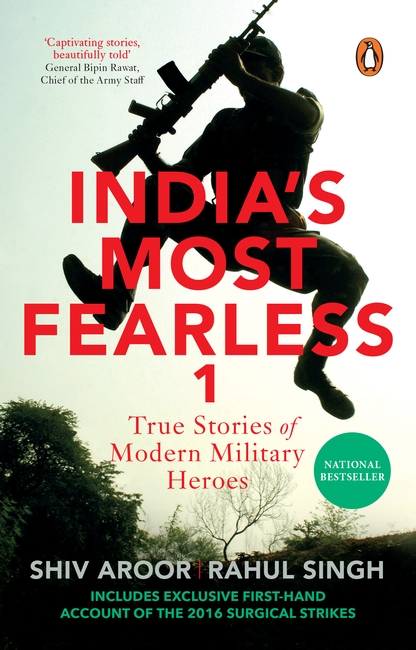
India’s Most Fearless Series by Shiv Aroor and Rahul Singh
India’s Most Fearless || Shiv Aroor and Rahul Singh,
India’s Most Fearless highlights fourteen true stories of extraordinary bravery and fearlessness, offering a glimpse into the kind of heroism demonstrated by our troops in impossibly terrible situations and under immense provocation. Its two highly anticipated sequels bring you fourteen and ten more stories, respectively, of great fearlessness, bringing you closer than ever to the personal bravery demonstrated by Indian military soldiers in the line of duty.
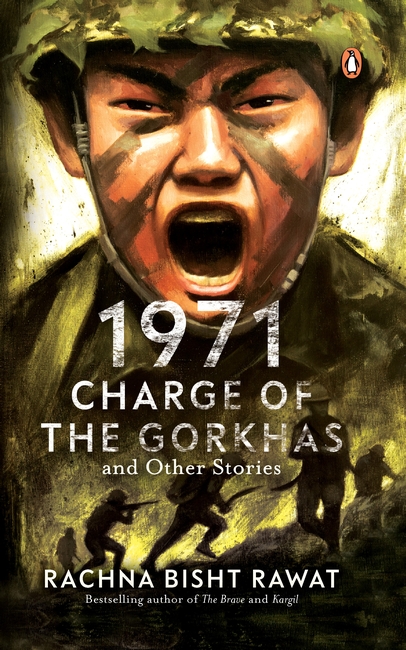
1971 by Rachna Bisht Rawat
1971 || Rachna Bisht Rawat
1971: Charge of the Gorkhas and Other Stories, revisits the battlefields of the 1971 Indo-Pak war through the eyes of valiant soldiers from the army, navy, and air force who sacrificed their lives for a cause greater than themselves.
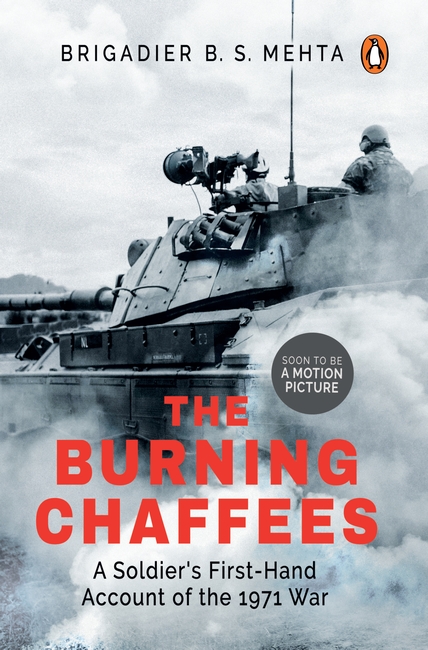
The Burning Chaffees by Balram Singh Mehta
The Burning Chaffees || Balram Singh Mehta
India launched a decisive war against Pakistan in 1971. However, prior to all-out war, an even more critical tank engagement was fought on 21 November 1971 by the C Squadron 45 Cavalry, which wrecked Pakistani General A.A.K. Niazi’s preparations for triumph and set the foundation for the Pakistani Army’s ultimate destruction. Brigadier B.S. Mehta’s The Burning Chaffees is a gripping account of the decisive combat of November 21st.
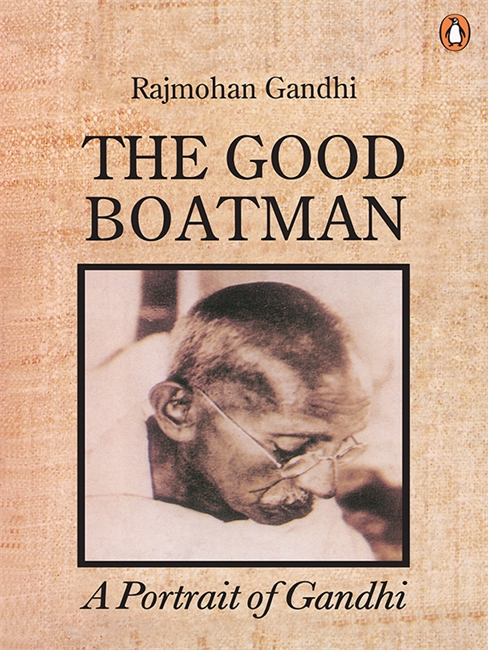
The Good Boatman by Rajmohan Gandhi
The Good Boatman || Rajmohan Gandhi
In this book, Rajmohan Gandhi, a grandson of Mahatma Gandhi and an acclaimed biographer and scholar, attempts to understand the phenomenon that was Gandhi. This he does by examining in detail dominant and varied themes of Gandhi’s life. His unsuccessful bid to keep India united, his attitude towards caste and untouchability; his relationship with those whose empire he challenged; his controversial experiments with chastity; his views on God, truth and non-violence; and his selection of heirs to lead a new-born nation.
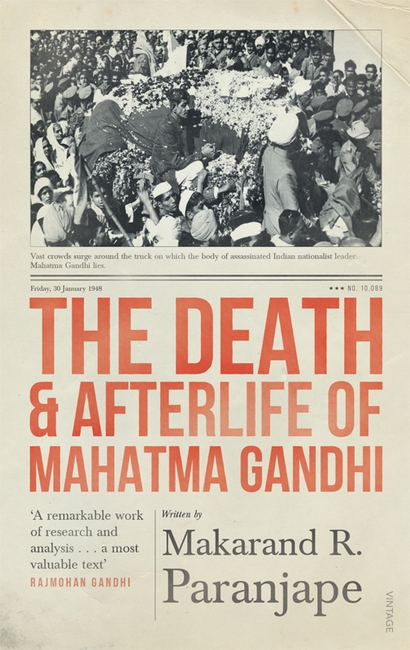
The Death and Afterlife of Mahatma Gandhi by Makarand R Paranjape
The Death And Afterlife Of Mahatma Gandhi || Makarand R Paranjape
Paranjape’s meticulous study culminates in his reading of Gandhi’s last six months in Delhi where, from the very edge of the grave, he wrought what was perhaps his greatest miracle – the saving of Delhi and thus of India itself from the internecine bloodshed of Partition. Paranjape, taking a cue from the Mahatma himself, also shows us a way to expiate our guilt and to heal the wounds of an ancient civilization torn into two.
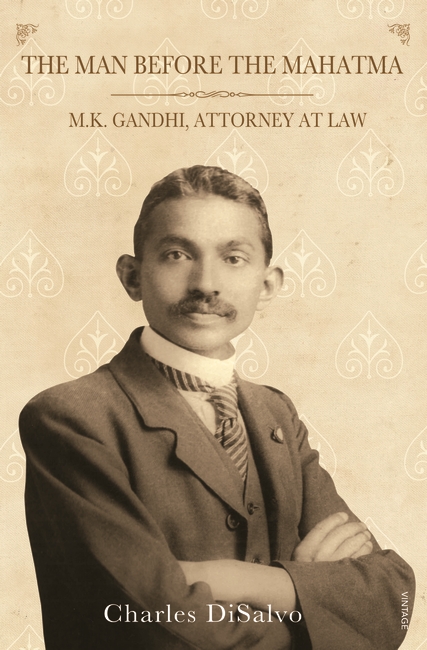
The Man Before the Mahatma by Charles DiSalvo
The Man Before The Mahatma || Charles DiSalvo
At the age of eighteen, a shy and timid Mohandas Gandhi leaves his home in Gujarat for a life on his own. At forty-five, a confident and fearless Gandhi, ready to boldly lead his country to freedom, returns to India. What transforms him? The law. The Man before the Mahatma is the first biography of Gandhi’s life in the law. Using materials hidden away in archival vaults and brought to light for the first time, The Man before the Mahatma puts the reader inside dramatic experiences that changed Gandhi’s life forever and have never been written about—until now.
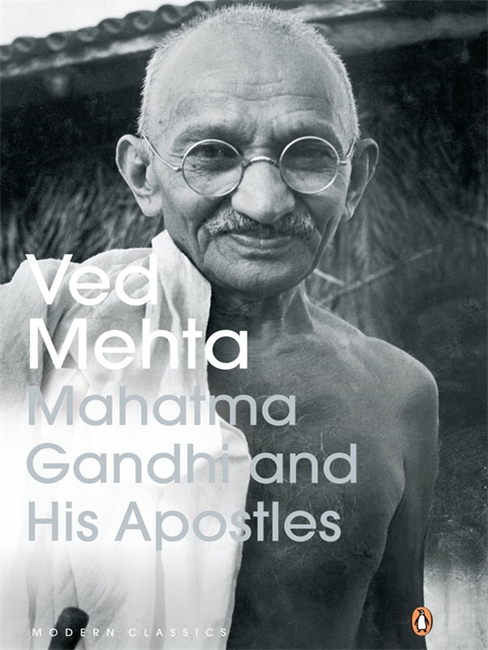
Mahatma Gandhi and his Apostles by Ved Mehta
Mahatma Gandhi And His Apostles || Ved Mehta
Ved Mehta’s book on Gandhi (1977) is one of the great portraits of the political leader. Travelling the world to talk to Gandhi’s family, friends and followers, drawing his daily life in exacting detail, Mehta gives us a nuanced and complex picture of the great man and brings him vividly alive.
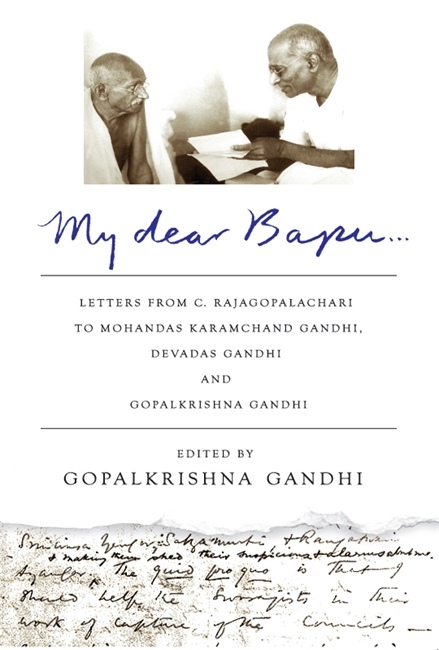
My Dear Bapu by Gopalkrishna Gandhi
My Dear Bapu || Gopalkrishna Gandhi
Chakravarti Rajagopalachari, or Rajaji, was famously described by Mahatma Gandhi as his ‘conscience keeper’. The eighty-odd largely unpublished letters presented here span the period from the run-up to Independence to its early years, providing deep insight into the struggles and endeavours of Indian public life.
The Living Gandhi by Tara Sethia
The Living Gandhi || Tara Sethia
This inspiring volume presents unique insights from leading international scholars, activists, educators and thought leaders on the contemporary relevance of Gandhi’s ideas and actions. The essays here reveal that for Gandhi, legitimate coercion by the state in certain cases was compatible with ahimsa; a balance between spiritual and material values was essential for a true civilization; and swaraj anchored in self-discipline and self-restraint was imperative for sustainable ways of life.
Gandhi, The Years That Changed the World by Ramachandra Guha
Gandhi lived one of the great 20th- century lives. He inspired and enraged, challenged and delighted millions of men and women around the world. He lived almost entirely in the shadow of British Raj, which for much of his life seemed a permanent fact, but which he did more than anyone else to bring down. In a world defined by violence and warfare and by fascist and communist dictatorships, Gandhi was armed with nothing more than his arguments and example. While fighting for national freedom, he also attacked caste and gender hierarchies and fought-and died-for inter-religious harmony. This magnificent book tells the story of Gandhi’s life from the time he left South Africa to his participation in the Second Round Table Conference.
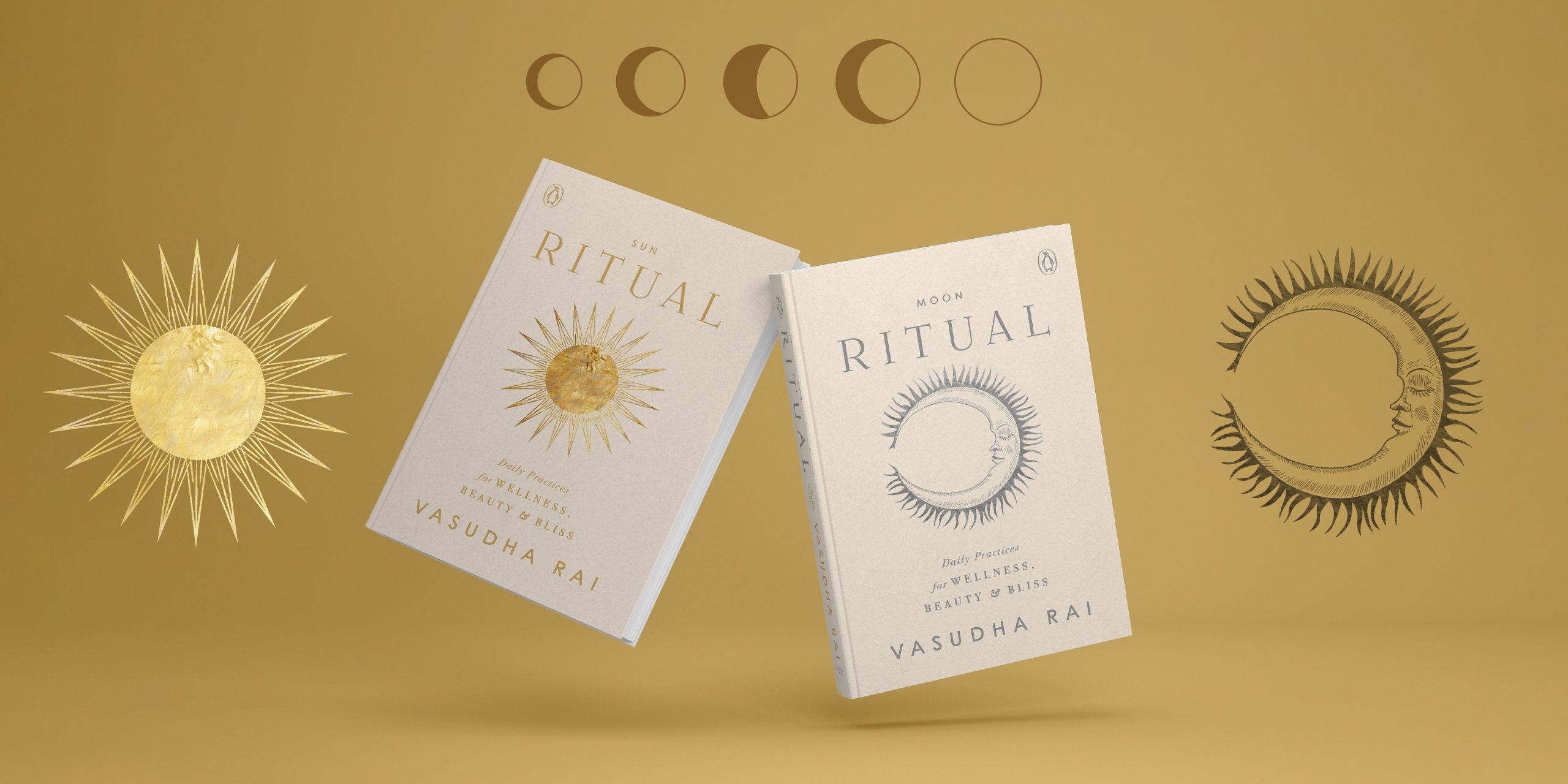
Do you lack motivation on Monday? Are Monday morning blues making you dizzy? While at your work desk, all you can think about is the warm cocoon of your bed, but the moment the moon is at its apex you cannot sleep. Are you also one of the many people who cannot sleep at night and feel sleepy during the day? Being an author, columnist, and podcaster who has written on beauty and wellness for more than two decades, Vasudha Rai brings a solution to your sleeping problems and others to renew your mind, body and spirit through, Ritual: Daily Practices for Wellness, Beauty & Bliss. Here’s an excerpt from her book for a healthy sleep mindset.
*
Ritual: Daily Practices for Wellness, Beauty & Bliss || Vasudha Rai
When we sleep well, we perform better the next day, our interpersonal relationships are better, we’re inspired to work out, eat healthy and make the right choices. On the contrary, when we don’t get enough sleep, we’re not inspired to do anything at all. The first step of sleep hygiene then is to put away your phone which will only happen when you are determined. Try replacing your smartphone or tablet with a book (especially one that is mildly academic/ slow paced). It may not be as stimulating as social media, but that is the whole point.
If you’re an overthinker, it may be a good idea to write down a list of things to do the next day, lest you forget. In Ayurveda, this is especially recommended for the ambitious pitta type. Vata types do well with a warm oil foot massage that works to ground their flight, anxious energy. Kapha types usually don’t have a problem falling asleep – for them the problem is oversleeping). But whether it’s journaling, meditation, massage, sound healing, the idea is to wind down and destress. The mind cannot run at a breakneck speed and then be expected to calm down and then help you fall asleep.
Someone like me who gets stimulated easily prefers to either read a non-fiction/ knowledge book or indulge in a sound bath before bed. Personally, I find that sometimes even reading on my phone is okay as long as I’m looking up information about beauty, health and wellness. For me these are comforting areas of interest. For you it could be language, astronomy or art history. If I get involved in an engaging conversation I stay awake longer. So even if I’m on my phone, I avoid social media because I don’t want to be faced with excitement, fear, revulsion, admiration, or any other stimulating information right before bed.
The big worry is if we will be able to sleep at all. Often the inability to fall asleep is what keeps us up all night. I remember reading an article about sleep management a while back on a particular night that I spent tossing and turning. It was almost 4am and I couldn’t bear the thought of listening to the birdsong in the morning after a night I had laid awake. So I picked up my phone and looked up ‘What can you do when you can’t sleep all night’. Among the various tips the author had given one line stood out so beautifully that I remember it to this day. A somnologist said something on the lines of ‘ultimately you will go to sleep at some point, it may not come soon enough but it will come for sure’. I felt comforted by that and have worried a little bit lesser since then.
The paradox is that when we try to stay up is when we fall asleep the soonest. So my trick when I’m wakeful in the middle of the night is to do something, instead of just tossing around in bed. I keep a heavy academic book, with difficult concepts in my bedside drawer. It could also be an old, classic novel. Something heavy and verbose always makes me feel drowsy. But that’s just me, we are all different and have different needs. Think about it like this – we feel the sleepiest when we’re trying to stay awake. So instead of tossing and turning waiting for it to come, engage yourself in something boring. You could step out of the room for a few minutes, lie down and listen to a guided meditation, journal your thoughts. If you wake up in the middle of the night and aren’t able to go to sleep, try one of these, or anything else that does not involve a screen.
**
Get your copy of Ritual from your nearest bookstore or Amazon.
January 26th holds a special place in the heart of every Indian. It marks the day we commemorate the enactment of the Constitution of India. As we celebrate India’s 74th Republic Day, here are our favourite books and audiobooks to fill you with patriotism and fervour.
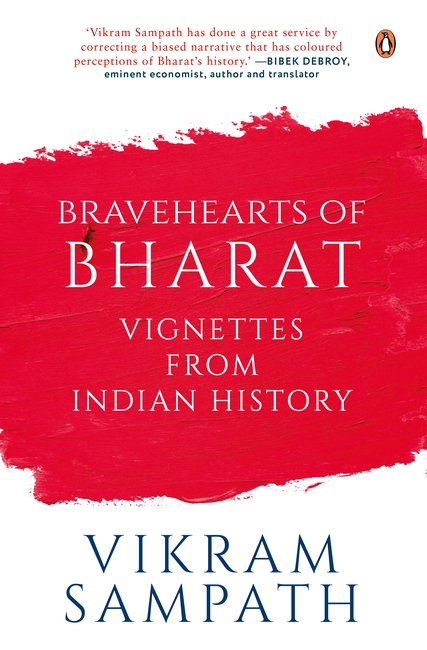
Bravehearts of Bharat by Vikram Sampath
Bravehearts of Bharat || Vikram Sampath
History has always been the victor’s handmaiden. This book explores the lives, times, and works of fifteen long-lost and completely forgotten unsung heroes and heroines of our history, bringing to light the contribution of soldiers who not only armour-clad stormed into battle, but also kept the torch of hope alive under harsh circumstances.
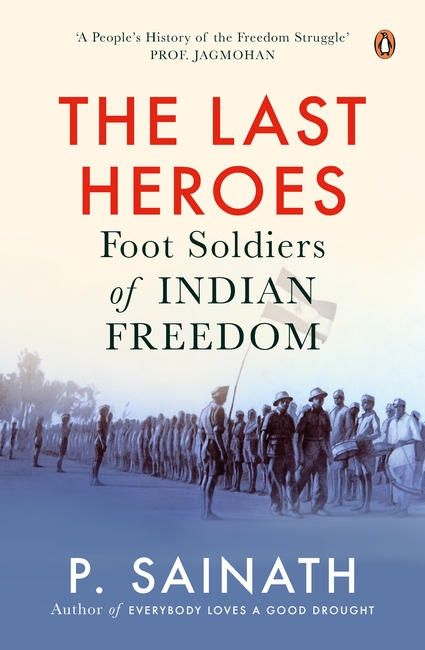
The Last Heroes by P. Sainath
The Last Heroes || P. Sainath
The foot-soldiers of Indian independence share their stories in The Last Heroes. Adivasis, Dalits, OBCs, Brahmins, Muslims, Sikhs, and Hindus are among the men, women, and children represented in this book. They come from many parts of the country, speak various languages, and include atheists and believers, Leftists, Gandhians, and Ambedkarites.
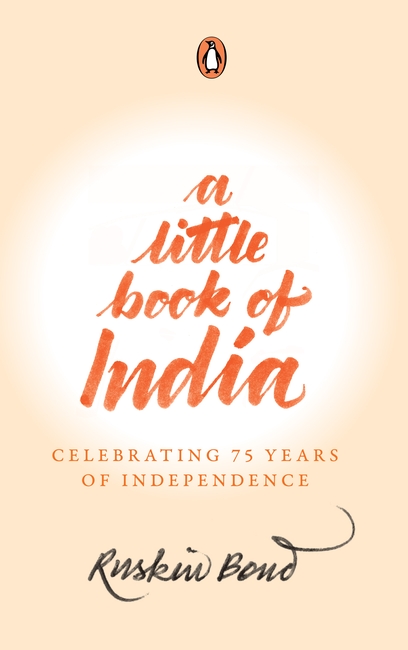
A Little Book of India by Ruskin Bond
A Little Book of India || Ruskin Bond
As India celebrates 75 years of independence, we give you a glimpse of our beloved country through the words of our favourite author, Ruskin Bond. He pays tribute to the country that has been his home for 84 years, drawing on his own memories and perceptions of it. A Little Book of India is an amalgamation of our homeland’s physical and spiritual features that leads you on a nostalgic and mystical trip.
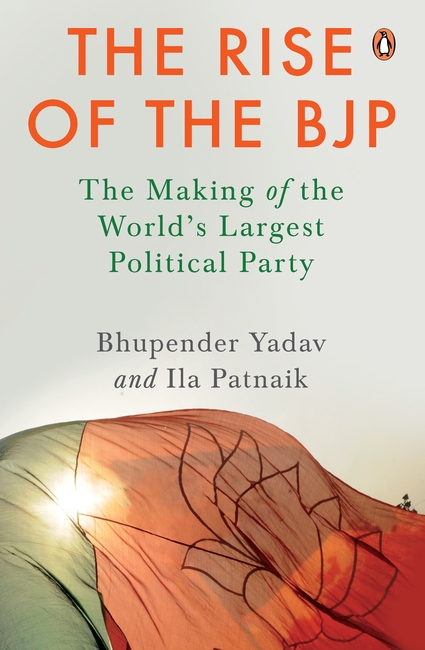
The Rise of the BJP by Bhupender Yadav and Ila Patnaik
The Rise of the BJP || Bhupender Yadav, Ila Patnaik
In this book, veteran BJP politician and cabinet minister Bhupender Yadav and leading economist Ila Patnaik collaborate to recount the BJP’s journey from humble beginnings to winning 303 Lok Sabha seats in 2019 and becoming the world’s largest political party. While focused on the wider economic and political tale, the book includes numerous minor, but highly significant stories of individuals and circumstances that led to the BJP’s present state.
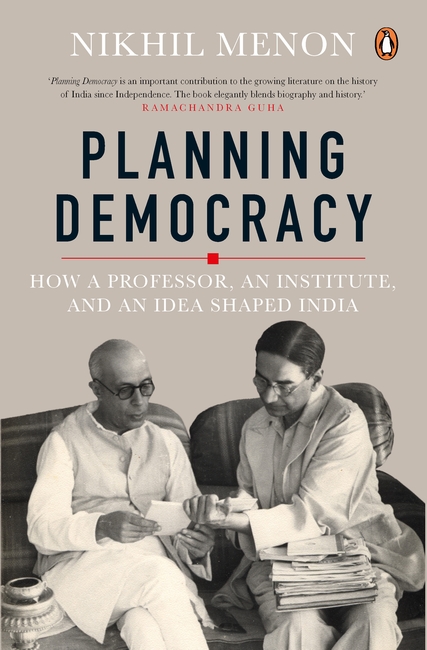
Planning Democracy by Nikhil Menon
Planning Democracy || Nikhil Menon
Nikhil Menon’s fascinating narrative of a gifted scientist known as the Professor, a trailblazing research facility in Calcutta, and the appealing idea of ‘democratic planning’ brings the world of planning to life in this engaging history. Menon illustrates how India walked a tightrope between capitalism and communism in the face of global wars and international disputes. Planning Democracy recasts our view of the Indian republic, explaining how planning came to define the nation and how it still shapes our society today.
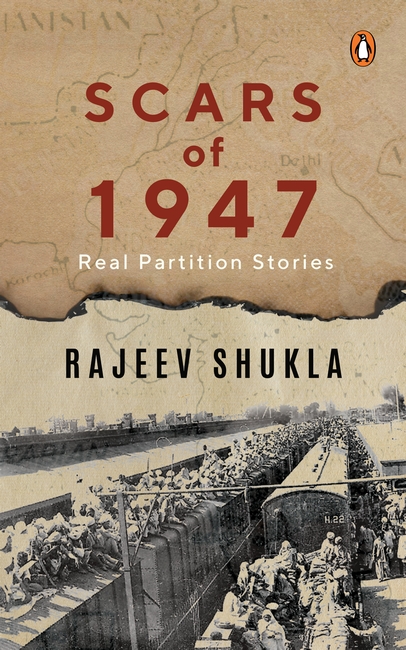
Scars of 1947 by Rajeev Shukla
Scars of 1947 || Rajeev Shukla
More than seven decades after India’s partition in 1947, the burden of sadness remains heavy in the hearts and minds of those impacted. A nation was divided into two with a single stroke of ink on a map, hurting families from generation to generation, and the resulting wounds are still achingly deep even today. Scars of 1947 is a touching and nostalgic compilation of accounts of an unforgettable period that left two nations scarred for life.
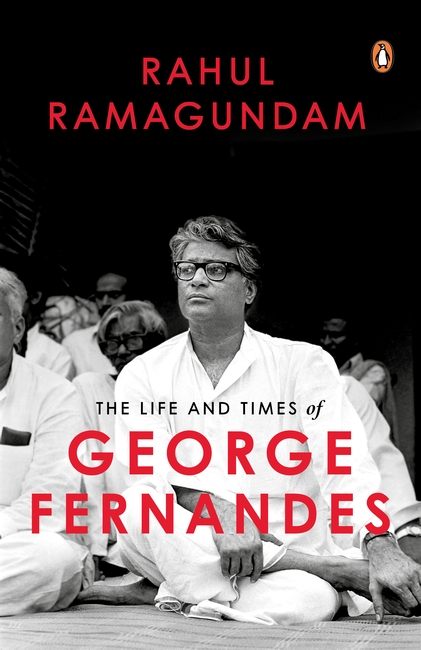
The Life and Times of George Fernandes by Rahul Ramagundam
The Life and Times of George Fernandes || Rahul Ramagundam
The Life and Times of George Fernandes tells the story of George Fernandes, who rose from the streets of Bombay to walk the halls of power. Rahul Ramagundam’s fascinating biography gives a window into George’s political evolution and tracks the trajectory of India’s Socialist Party from its founding in the 1930s to its breakup into the Janata Party in the late 1970s. This book follows the journey of India’s opposition parties as they attempted to dethrone the long-ruling Congress Party from its apex.
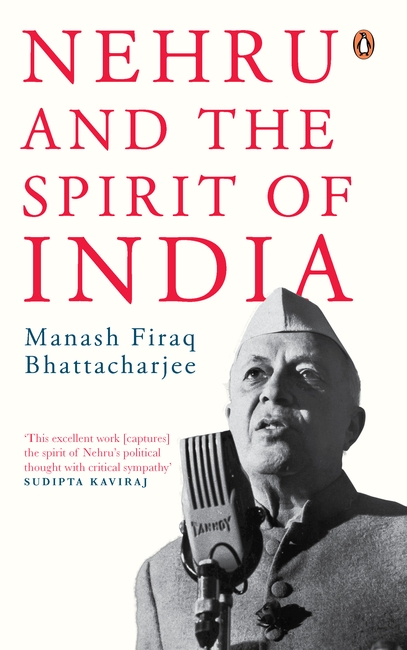
Nehru and the Spirit of India by Manash Firaq Bhattacharjee
Nehru and the Spirit of India || Manash Firaq Bhattacharjee
Plato’s philosopher king, Jawaharlal Nehru, ‘found’ an India that remains an unexplored promise. Nehru and the Spirit of India examines his intellectual and political legacy in a critical and nuanced manner. Bhattacharjee, a second-generation refugee, advocates for a “minoritarian” approach to national politics. He forces us to learn from the insights of poets and thinkers, breaking ideological and disciplinary boundaries. This intriguing book, written with simplicity, presents an original take on Nehru and Indian history.
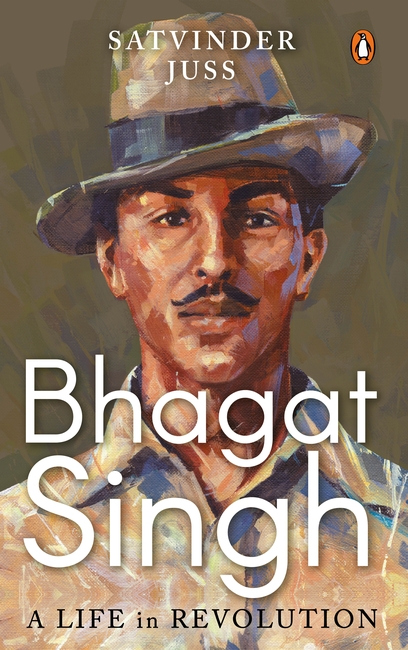
Bhagat Singh by Satvinder S. Juss
Bhagat Singh || Satvinder S. Juss
This well researched biography is an exhaustive journey into Bhagat Singh’s life and serves as a contemporary antidote. The book delves into his family’s history before he was born, studying the influence that numerous episodes, policies, and people played in creating the identity of a renowned revolutionary while also diving into his views on significant issues of the time.
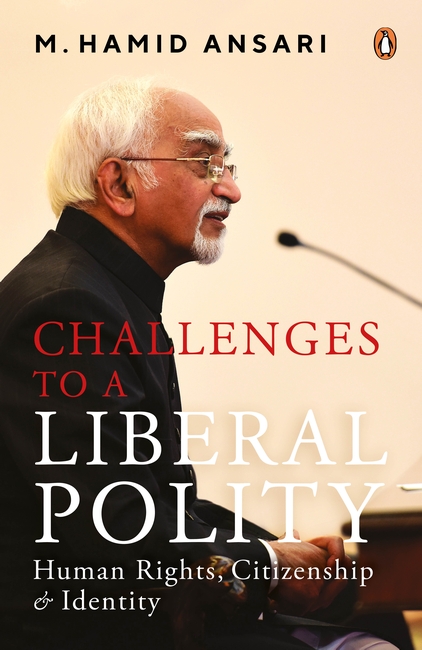
Challenges to A Liberal Polity by M. Hamid Ansari
Challenges to A Liberal Polity || M. Hamid Ansari
Challenges to a Liberal Polity, written by Hamid Ansari, former Vice President of India, is a book that puts to light some of the most pressing challenges that affect our thinking every day. This book, which is thorough, persuasive, and expressive, will appeal to a wide range of readers, as well as politicians, policymakers, and students and scholars of Indian politics, history, and sociology.
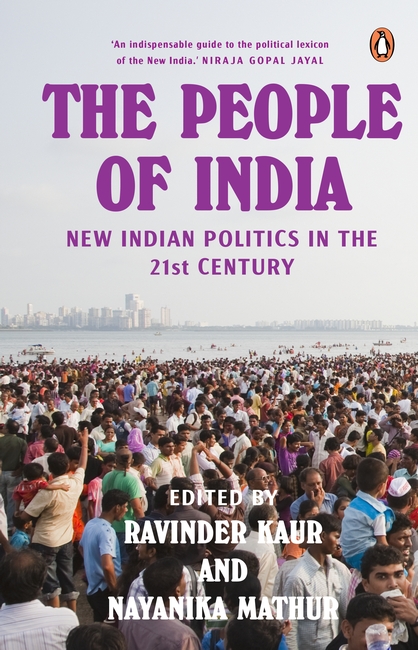
The People of India by Ravinder Kaur and Nayanika Mathur
The People of India || Ravinder Kaur, Nayanika Mathur
In this book, some of South Asia’s most eminent scholars collaborate to write about a person or subject with particular significance in modern Indian politics. In doing so, they cumulatively bring us a new understanding of what the politics at the heart of New India are—and how we might effectively analyse them. Ravinder Kaur and Nayanika Mathur’s superb anthology features fresh and accessible writings by South Asia’s best social science and humanities specialists.
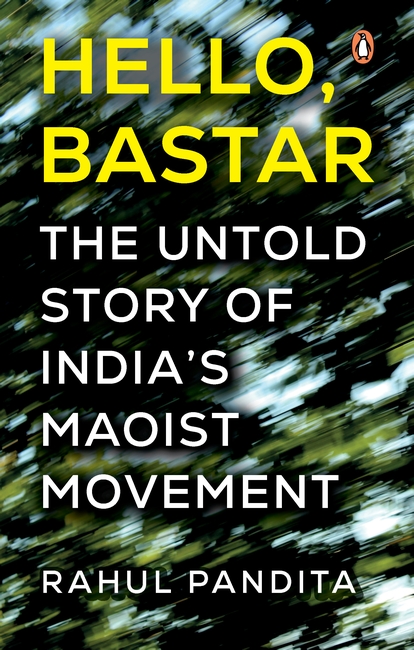
Hello Bastar by Rahul Pandita
Hello Bastar || Rahul Pandita
Rahul Pandita provides an authoritative account of how a small group of revolutionaries infiltrated Bastar in Central India in 1980 and established a strong force that New Delhi now considers as India’s greatest internal security problem. Based on extensive on-the-ground reporting and extensive interviews with Maoist leaders such as their supreme commander Ganapathi, Kobad Ghandy, and others who are imprisoned or have been killed in police encounters, this book is a combination of firsthand storytelling and daring analysis.
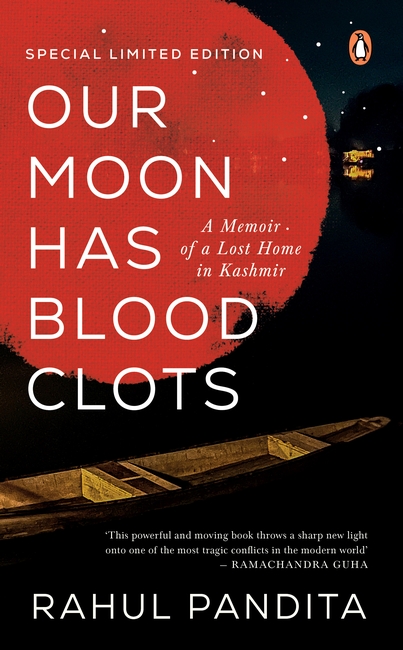
Our Moon Has Blood Clots by Rahul Pandita
Our Moon Has Blood Clots || Rahul Pandita
Rahul Pandita and his family were fourteen years old when they were forced to evacuate their home in Srinagar. They were Kashmiri Pandits, the Hindu minority in a Muslim-majority Kashmir that, by 1990, was becoming increasingly agitated by India’s Azaadi shouts. Our Moon Has Blood Clots tells the narrative of Kashmir, where Islamist militants tortured, killed, and forced hundreds of thousands of Kashmiri Pandits to evacuate their homes, forcing them to live in exile in their own country for the rest of their lives. Rahul Pandita’s history, home, and loss tale is extremely intimate, fascinating, and unforgettable.
Gandhi’s Assassin by Dhirendra K. Jha
Gandhi’s Assassin || Dhirendra K. Jha
Gandhi’s Assassin: The Making of Nathuram Godse and His Idea of India explores Godse’s interactions with the groups that shaped his worldview and provided him with a sense of purpose. The book depicts the progressive hardening of Godse’s resolve, as well as the tragic decisions and intrigue that eventually led to Mahatma Gandhi’s assassination in the tumultuous wake of India’s independence in 1947.
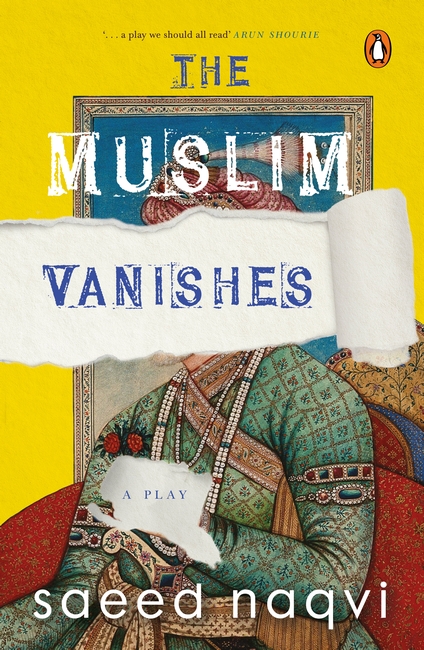
The Muslim Vanishes by Saeed Naqvi
The Muslim Vanishes || Saeed Naqvi
The decibel levels on caste, the Hindu-Muslim split, Pakistan, and Kashmir are too high for a discourse to take place, with each side aggressively defending their own story. Saeed Naqvi’s razor-sharp, kind, and amusing drama draws on a variety of influences—from grandma’s bedtime stories to Aesop’s fables and Mullah Nasruddin’s satirical tales—to spring an inspired surprise on us, bringing us on a journey into both history and fiction.
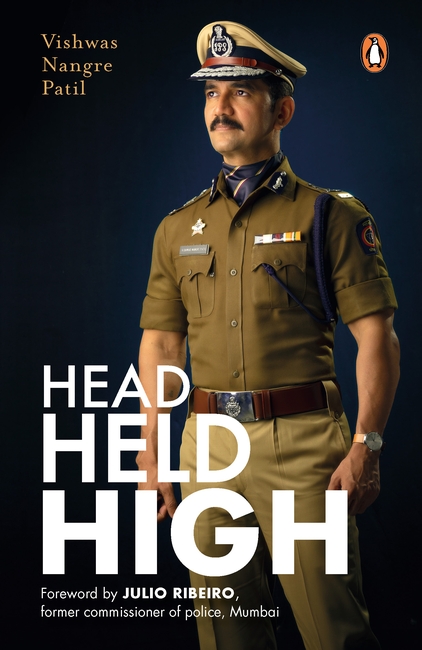
Head Held High by Vishwas Nangre Patil
Head Held High || Vishwas Nangre Patil
Head Held High, translated from the Marathi book Mann Mein Hai Vishwas, is an account of IPS officer Vishwas Nangre Patil’s life—from his humble beginnings, through school, college, long hours of studying for the UPSC examinations, and finally, his role in counterterrorism operations during the Mumbai attacks. This touching and realistic narrative of his most formative and hard years is guaranteed to resonate with individuals who wish to enter the Indian public services.
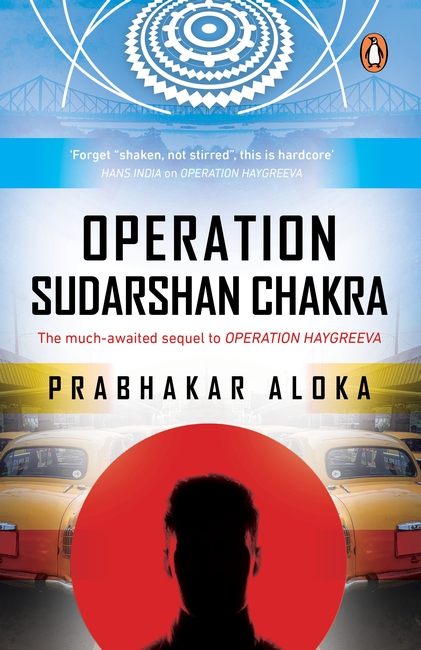
Operation Sudarshan Chakra by Prabhakar Aloka
Operation Sudarshan Chakra || Prabhakar Aloka
Despite having experienced great personal anguish, Ravi and his colleagues band together to start clever counterterror and counterintelligence operations dubbed Operation Sudarshan Chakra, putting everything, even their individual lives, in jeopardy.
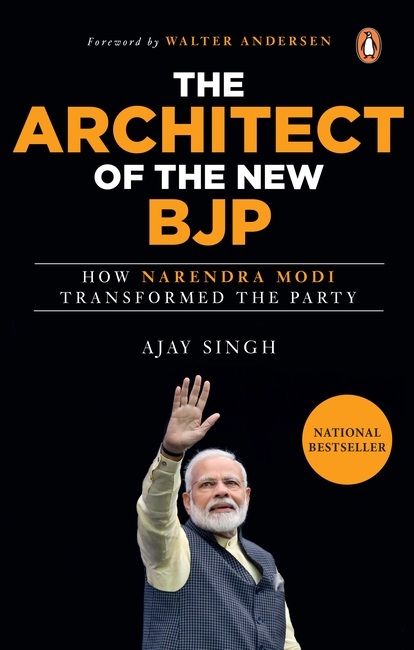
The Architect of the New BJP by Ajay Singh
The Architect of the New BJP || Ajay Singh
The Architect of the New BJP employs extensive research and specific examples to demonstrate how the BJP has evolved over the years. It shows lesser-known contributions, including as Prime Minister Narendra Modi’s attempts with traditional party-building methods, his acute eye for detail, and the several new methodologies for party expansion. Ajay Singh not only studies the party’s past, including the vision of its founders, but also offers a view into the party’s future.
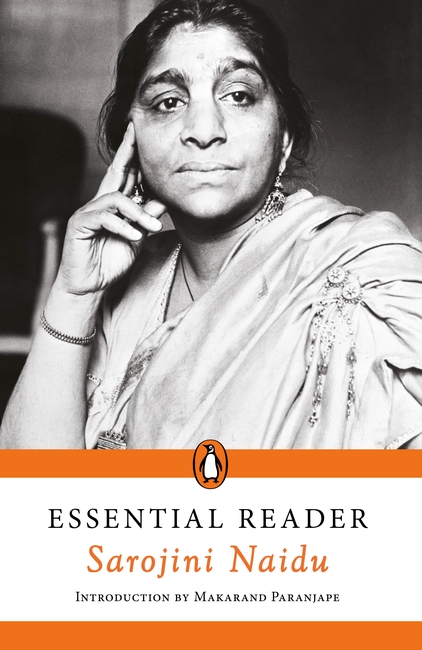
We can see Sarojini Naidu’s innermost thoughts and feelings on these pages, as well as the important role she played in shaping the country’s freedom struggle and ideas as a young nation, particularly through rousing speeches on the Education of Indian Women and the Battle for Freedom, which were broadcast on All India Radio on 15 August 1947.
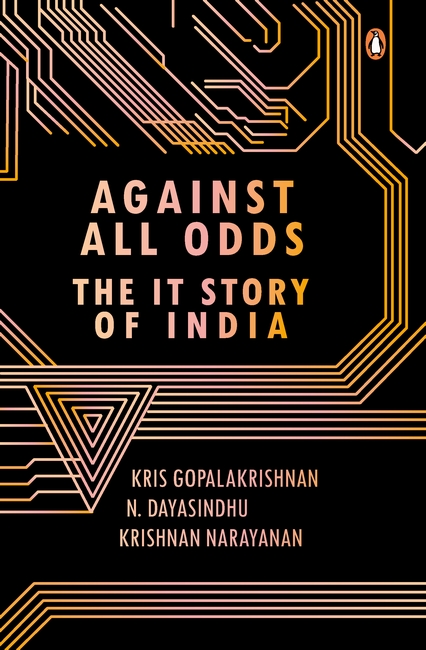
Against All Odds by S. ‘Kris’ Gopalakrishnan, N. Dayasindhu, Krishnan Narayanan
Against All Odds || S. ‘Kris’ Gopalakrishnan, N. Dayasindhu, Krishnan Narayanan
Against All Odds: The IT Story of India is an insider’s narrative of Indian IT during the previous six decades, filled with anecdotes. It draws on the firsthand experiences of Kris Gopalakrishnan and fifty other industry titans who helped to build and define the IT sector. This is a narrative about endurance and resilience, forethought, preparing and being ready when opportunity knocks, a spirit of adventure, and, most importantly, unshakeable faith in technology and the belief that it would help India. It’s a happy ending, and the best is yet to come!
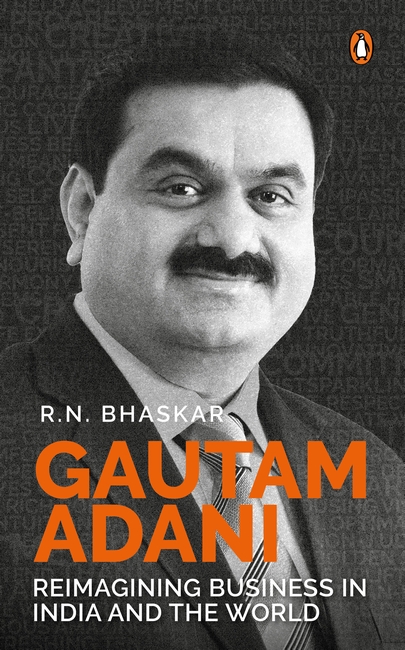
Gautam Adani by R.N. Bhaskar
Gautam Adani || R.N. Bhaskar
This book shines light on what we didn’t know about Gautam Adani but should have. It dives deep, covering a variety of fascinating incidents from Gautam Adani’s life, revealing his early life, his introduction to business, and the lessons and opportunities he took advantage of.This book is dedicated to analysing Gautam Adani’s business practises, which have piqued everyone’s interest.
Books Available on Audio
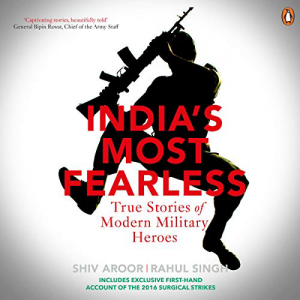
India’s Most Fearless and India’s Most Fearless 2 by Shiv Aroor and Rahul Singh
India’s Most Fearless || Shiv Aroor, Rahul Singh
India’s Most Fearless tells fourteen genuine stories of exceptional bravery and fearlessness, providing a look into the type of heroism displayed by our warriors in unimaginably harsh conditions and under tremendous provocation. Its much awaited sequel delivers to you fourteen more stories of incredible fearlessness, bringing you closer than ever before to the personal bravery displayed by Indian military soldiers in the line of duty.
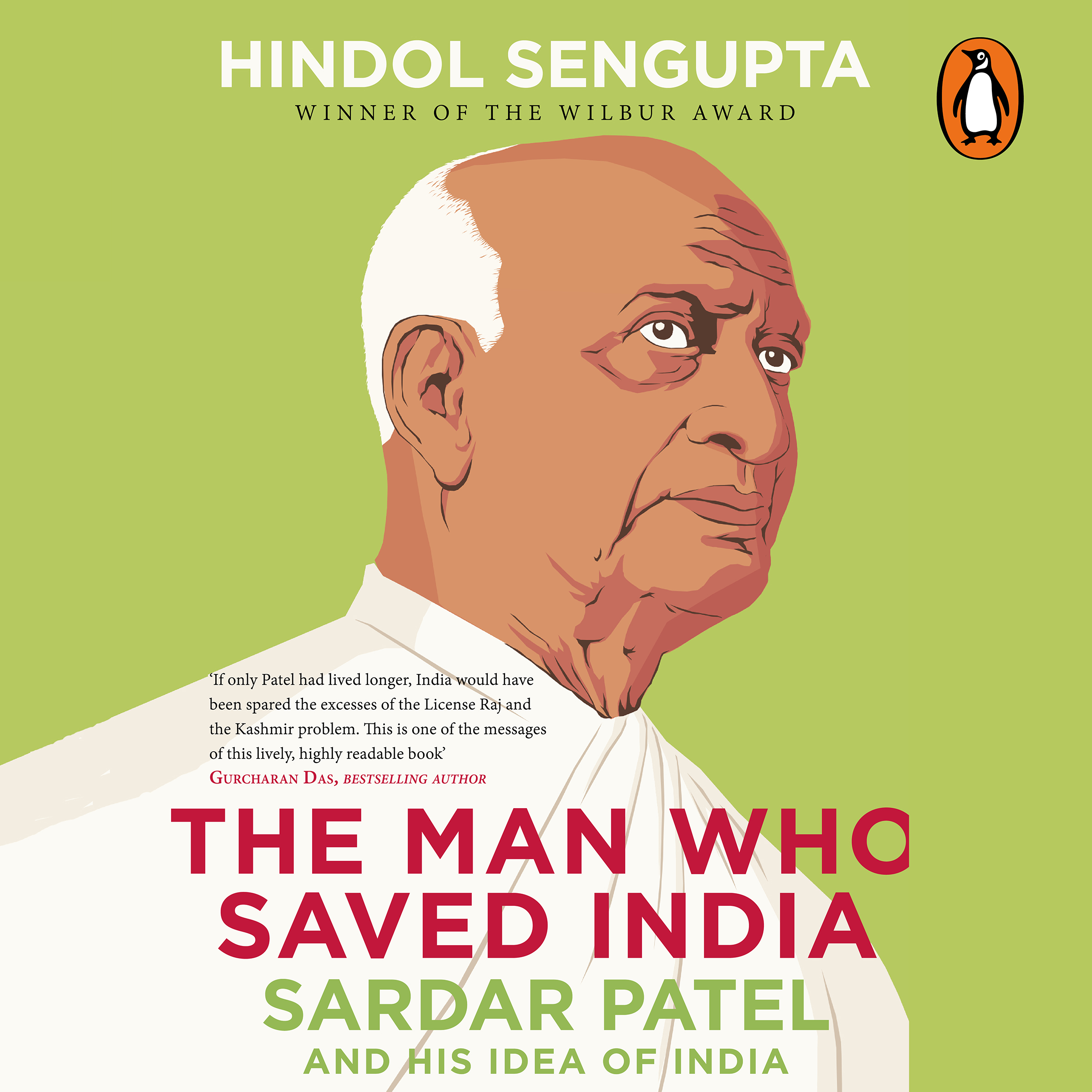
The Man Who Saved India by Hindol Sengupta
The Man Who Saved India || Hindol Sengupta
No other political figure comes close to the contributions of Sardar Vallabhbhai Patel to preserve and protect the Indian nation. However, little is known or appreciated about Patel’s significant contribution to India’s making. The Man Who Saved India is a magnificent account of Sardar Patel’s life. Hindol Sengupta, a numerous award-winning and best-selling author, brings Patel’s resolute life of hardship and his ardent determination to keeping India secure to life with ferociously detailed and pugnacious anecdotes.
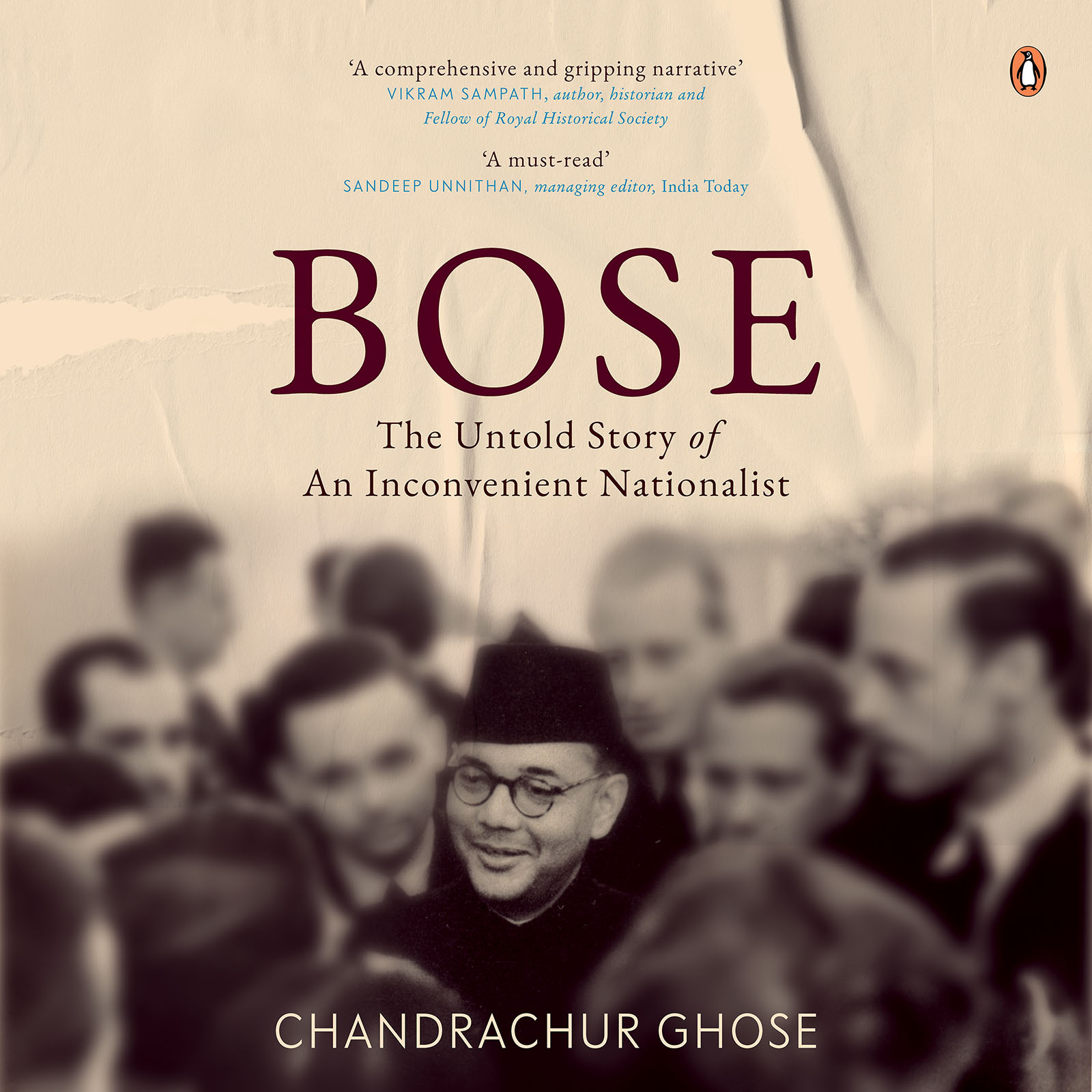
Bose by Chandrachur Ghose
Bose || Chandrachur Ghose
There haven’t been many Indian heroes whose lives have been as spectacular and exciting as Netaji Subhas Chandra Bose’s. That is, however, a judgement of his life based on what is commonly known about him. Bose: The Unwritten Story of an Inconvenient Nationalist is a fast-paced, thought-provoking, and completely engrossing read that will introduce you to many previously untold and unheard anecdotes of Netaji Subhas Chandra Bose.
10 Judgements That Changed India by Zia Mody
10 Judgements That Changed India || Zia Mody
This book contextualises the judgements, explains essential concepts, and maps their implications by examining critical subjects such as custodial fatalities, reserves, and environmental jurisprudence. Ten Judgements That Changed India, written by one of India’s most renowned lawyers, is an authoritative yet approachable book for anybody interested in understanding India’s legal system and the underpinnings of our democracy.
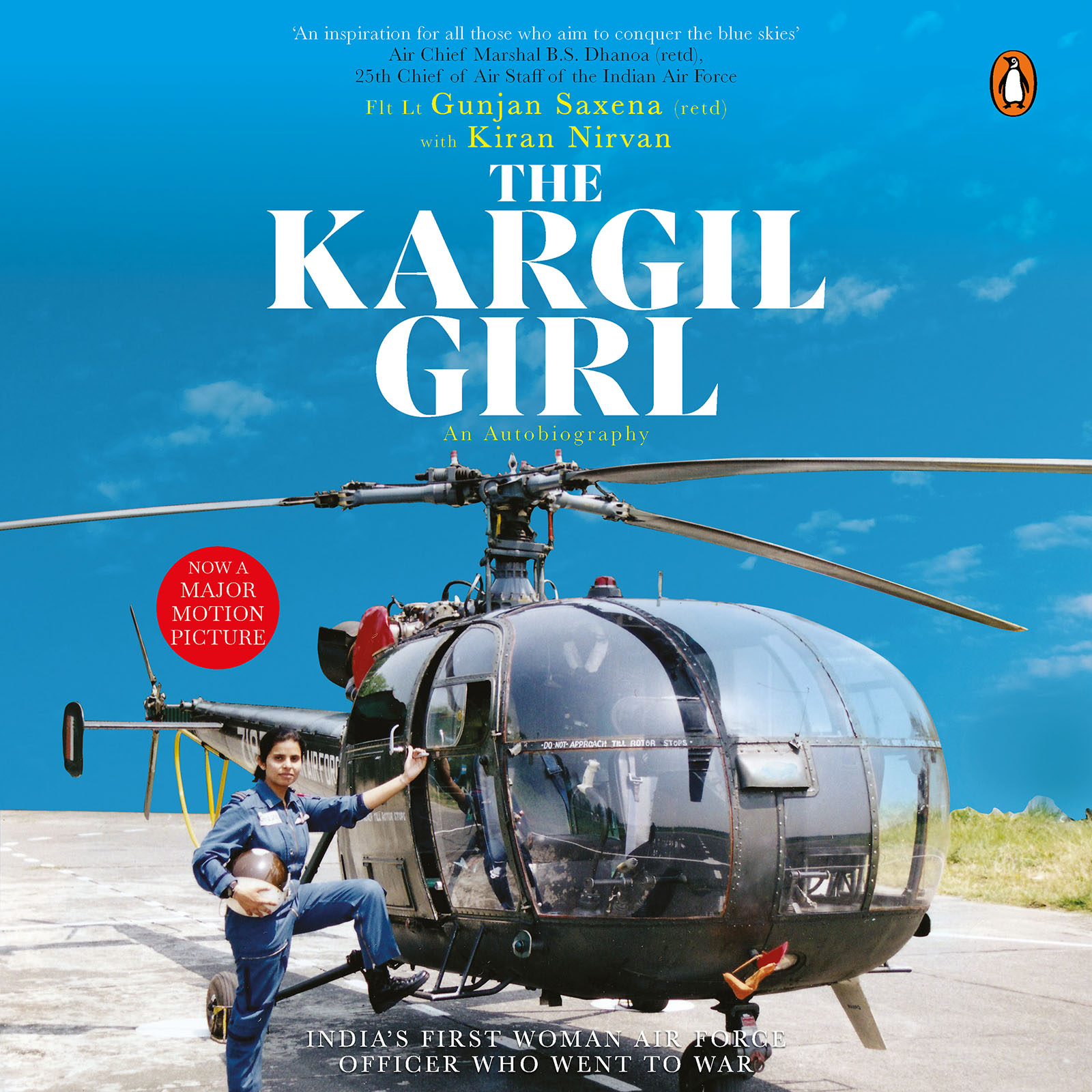
The Kargil Girl by Flight Lieutenant Gunjan Saxena (Retd.), Kiran Nirvan
From supplying vital arsenal to Indian troops in the Dras and Batalik regions to casualty evacuation from the ongoing battle. From meticulously relaying messages to her seniors of enemy positions to narrowly escaping a Pakistani rocket missile during one of her sorties, Saxena fearlessly discharges her duties, earning herself the title ‘The Kargil Girl’. This is her wonderful story in her own words.
Nehru And Bose by Rudrangshu Mukherjee
Nehru And Bose || Rudrangshu Mukherjee
Had relations between the two great nationalist leaders deteriorated to the point where Bose saw Nehru as an enemy? The interesting book by Rudrangshu Mukherjee examines the contours of a friendship that did not entirely develop as political ideas split, and delineates the shadow that fell between them—for Gandhi saw Nehru as his chosen heir and Bose as a prodigal son.
Partitions of the Heart by Harsh Mander
Partitions of the Heart || Harsh Mander
Harsh Mander believes that the partition in 1947 wasn’t the only one. He feels that another schism is taking place in our hearts and brains. A human rights and peace activist, Mander, examines whether the republic has preserved the objectives it set out to achieve in Partitions of the Heart: Unmaking the Idea of India, and provides searing, unflinching insight into the dimensions of hate violence. This painstakingly studied societal critique is a rallying cry for public compassion, conscience, and justice, as well as a tribute to humanity’s tenacity.
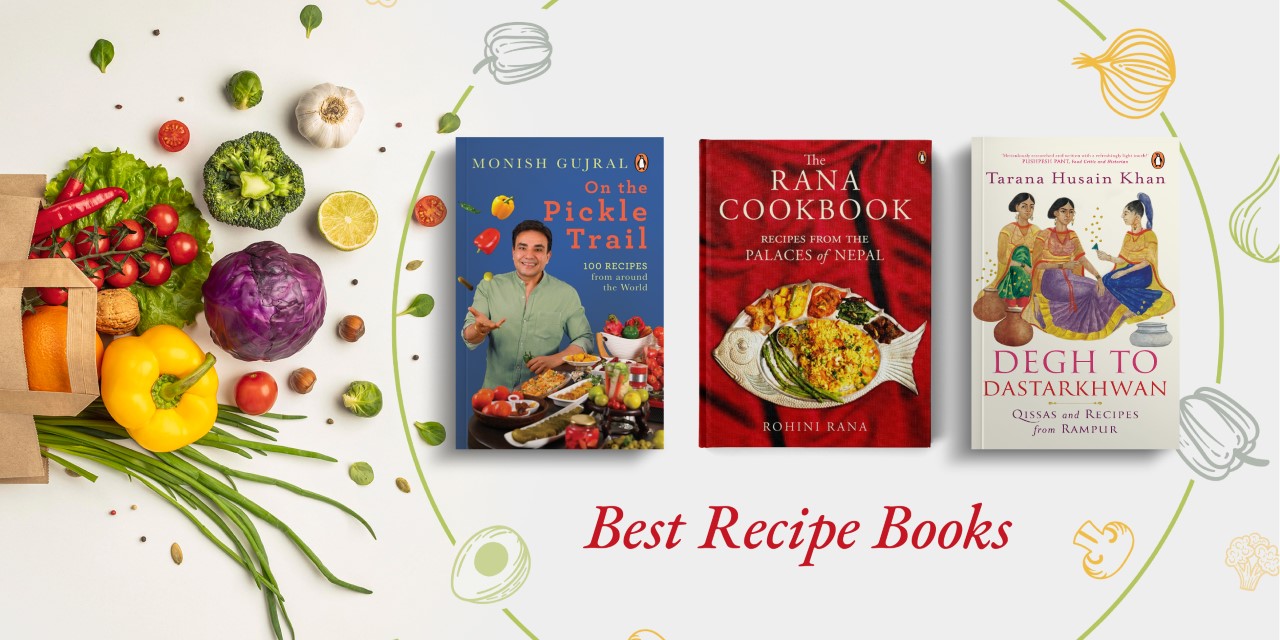
Looking for a mouthwatering meal to celebrate International Hot and Spicy Food Day? We’ve curated just the perfect recipe book recommendations for you that will make you want to cook your heart out! Pick up your favourite one from the list – they’re sure to tingle your taste buds.
On the Pickle Trail by Monish Gujral
On the Pickle Trail||Monish Gujral
In this book, Monish Gujral brings together a collection of 100 pickles to start you on your journey of pickling. These recipes are not only simple and easy to make, each also has health benefits. From the Italian Giardiniera (pickled vegetables) to the Israeli Torshi Left (white turnip pickle), from the Gari (Japanese ginger pickle) to the Cebollas Encurtidas (pickled onions from Ecuador), this book is a treasure trove of some of the best pickles from around the world. Start your lip-smacking journey today!
Degh to Dastarkhwan by Tarana Husain Khan
Degh to Dastarkhwan || Tarana Husain Khan
Originally indifferent eater and cook, Tarana Husain Khan, stumbled upon a nineteenth-century Persian cookbook at Rampur’s renowned Raza Library, that instantaneously set her on a voyage into the history of Rampur cuisine and the legends surrounding it.
Degh to Dastarkhwan revolves around the question of what truly sets Rampur’s cuisine apart from others. Each chapter is a metaphor for a sentiment, a festival. The variety of Rampuri cuisine, from the lavish royal cuisine to the straightforward everyday meal, lays the groundwork for the expression of love, sorrow, healing, and spirituality.
The Rana Cookbook by Rohini Rana
The Rana Cookbook || Rohini Rana
The elegant palaces of Nepal were not only renowned for their glitz and architecture but their lavish feasts as well. Only the palace cooks were fortunate enough to have acquired these delicious recipes. For the first time ever, the doors to the palace kitchens are opened in this gorgeous book, giving us a look into the delectable royal cuisine.
Rohini Rana has compiled and documented the dishes that are cherished by each Rana prime minister’s family in this phenomenal book. This premium, exquisitely designed cookbook tries to preserve these recipes for future generations by showcasing delicious meals from the palaces.
This Handmade Life by Nandita Iyer
This Handmade Life || Nandita Iyer
This Handmade Life is all about discovering your passion and mastering it. Divided into seven sections on baking, fermenting, self-care, kitchen gardening, soap-making, spices, and needlework, encourages us to take our time and engage in straightforward hobbies that bring us pure delight.
The book is about hands-on activities that can be contemplative and restorative for the body, mind, and spirit. It is written in Iyer’s trademark lyrical and approachable style. Iyer has succeeded in serving up a book that is inspirational and motivational at a time when both are in short supply by taking the reader through a variety of personal and transforming interests.
What’s Cooking in India?
What’s Cooking In India?
The books On the Kebab Trail and On the Dessert Trail by Monish Gujral are ideal for anyone who wants to explore the world through food! With over a hundred Kashmiri recipes, P. Krishna Dar’s Kashmiri Cooking is a gorgeously illustrated edition of a well-known classic. Highway on My Plate: The Indian Guide to Roadside Eating by Rocky Singh and Mayur Sharma is a must-have travel companion!
The Essential Sindhi Cookbook by Reejhsinghani Aroona
The Essential Sindhi Cookbook || Aroona Reejhsinghani
The Sindhi community may trace its origins back to the Harappan civilization and claims a unique continuity of tradition and lifestyle in the Indian subcontinent. Cuisine, as explained in the opening to this book, is a crucial component of this continuity. While Sindhi cuisine has absorbed components from other cuisines, particularly Mughlai and Punjabi, it has always maintained its own distinct blend of flavours and scents. The answers to all questions relating to the preparation and serving of Sindhi food are all here in this comprehensive guide to a distinctive culture.
The Essential Delhi Cookbook by Priti Narain
The Essential Delhi Cookbook || Priti Narain
The Penguin Essential Cookbooks are a pioneering endeavour to preserve the art of traditional Indian cooking. Each book is prepared by a skilled chef who combines regional or community-specific recipes with a lengthy introduction that details the rituals and customs associated with eating and presenting food. Recipes in the Essential Delhi Cookbook are gathered from the various communities that have made Delhi their home, including the Khatris and Kayasths, as well as Mughlai and Punjabi foods. Raan, Bheja, Methi Dal ki Pakori, Muthanjan Pulao, Mathri, Papri, Chaat, and Sharbat-e-Ghulab are among the recipes.
The Essential North-East Cookbook by Hoihnu Hauzel
The Essential North – East Cookbook || Hoihnu Hauzel
If there is one section of our country that has yet to be explored, it is the North East, at least in terms of its food. Those who live in or have visited the seven sister states of Arunachal Pradesh, Assam, Manipur, Meghalaya, Mizoram, Nagaland, and Tripura will tell you that the North East’s chefs produce an incredible variety of cuisines that combine tradition and innovation in surprising ways.
The Essential Andhra Cookbook by Bilkees Latif
The Essential Andhra Cookbook || Bilkees Latif
Enjoy the enticing flavours of Andhra cuisine. While Hyderabadi cuisine is well-known for its distinct Mughlai flavour, food from other parts of Andhra, one of India’s largest and most culturally varied states, is relatively obscure. The author brings together for the first time the various tastes of Andhra cooking, from the simple idli-sambar to spicy seafood specialties, in this contribution to the Penguin series on Indian food and customs.
Hey, you! We are here to remind you that mental health is as important as physical health. So, prioritize your mental health in 2023!
Some of you might have missed adding ‘self-care’ to your long list of resolutions this year. However, each one of us should take an extra step in taking care of our bodies, mind, and soul right from the beginning of the year. To help you in the journey of refreshing your mind and relieving your worries, we bring to you five books that can be a good starting point. Scroll through this list and choose the books that will become your companions in your self-care journey and help you understand your mind better.
If I’m Honest||Sidhartha Mallya
Sidhartha Mallya has had a unique life to say the least. Born into one of India’s most prominent business families, he has had-from an outside perspective-what many would consider a blessed life. Appearances can often be deceiving, though, and at times what was going on inside was a very different story. In 2016, he went through depression. Something that came as a bit of a surprise to him, given that he seemingly had the world at his feet: he was young, had just graduated from a prestigious drama school and had upcoming film projects. However, despite all the wonderful opportunities that awaited him, he felt desperately unhappy, constantly low and like his insides were being crushed by a vice. That was when Sidhartha realized that something was not right and he sought professional help. Thus began the journey to understanding his current mental state as well as an exploration of the other mental issues he has suffered throughout his life and where they might have stemmed from. Sidhartha also writes about what helped him face and overcome his challenges.
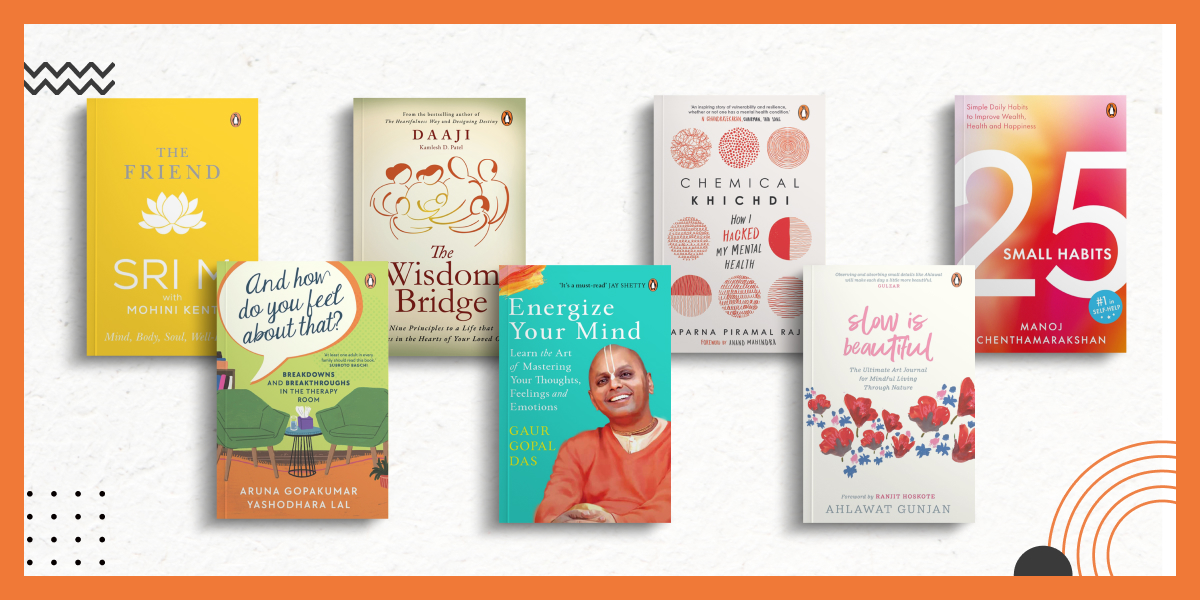
Energize Your Mind
Energize Your Mind || Gaur Gopal Das
In this book, bestselling author and life coach Gaur Gopal Das decodes how the mind works. He combines his anecdotal style with analytical research to teach us how to discipline our mind for our greater well-being. Throughout this book, he provides interactive exercises, meditation techniques and worksheets to help us take charge of our minds.
This book is an essential read for anyone who wants to work towards a better, more fulfilling future for themselves.
And How Do You Feel About That?
And How Do You Feel About That? || Aruna Gopakumar, Yashodhara Lal
Ever wondered what REALLY happens in the therapy room?
For too long, therapy has been seen as taboo in our society and is shrouded in myth–it’s only for the weak or ‘crazies’, it’s just blaming your parents, a therapist ‘only listens’ and so on. In this book, Aruna Gopakumar and Yashodhara Lal bust those myths and show you how therapy actually works.
With decades of combined experience in the field, these two therapists share fascinating stories based on their practice. You’ll meet the woman who sends secret messages to her husband during arguments; the towering tattooed man who realizes he can’t save his sister; the teenager whose life is revealed in the tale of a lonely bear; the divorced man angry with his ex-wife for starting to date again; the fiery gay young man impatient to change the world; the lady who won’t relax until her daughter is perfect; and many more.
Written with authenticity, warmth, simplicity, and lightness, And How Do You Feel About That brings you an understanding of the world of possibilities that opens up when we embark on an inner exploration – in dialogue with another.
Chemical Khichdi
Chemical Khichdi || Aparna Piramal Raje
Part memoir and part self-help guide, Chemical Khichdi provides a pathway for anyone with a mental health condition and the family, friends, colleagues, and medical professionals that love and care for them.
Empathetic, candid and accessible, it outlines ‘seven therapies’ that have enabled Aparna to ‘hack’ her mental health and find equilibrium over the years, and shows how you or someone you know can also do the same.
The Wisdom Bridge
The Wisdom Bridge || Kamlesh D. Patel
The intentions, thoughts and actions of the elders are caught by the hearts of the children. The children observe, learn and imbibe the teachings quickly and faithfully, and the elders have the responsibility to not only raise the children well, but nurture and guide them in a way that they can lead fulfilling lives.
Daaji in The Wisdom Bridge offers nine principles to guide you, the reader, to live a life that inspires your children and your loved ones. These principles are important references for parents, parents-to-be, grandparents and caregivers to create fulfilling and happy lives. They will not only help you enrich the lives of your children and raise responsible teenagers, but pave the way for an inspired life and resilient bonds in your family.
The Friend
The Friend || Sri M, Mohini Kent Noon
Sri M is widely known as a spiritual leader and teacher. However, he believes, for him to truly connect with someone and guide them, they must be friends.
In this book, Mohini Kent asks him about love, life, religion, marriage, death and everything in between making it a one-stop shop complete collection of Sri M’s teachings and philosophy. Following the ancient form of a conversation between a guru and a disciple, this book is easy to read and relatable for people of all ages.
Slow is Beautiful by Ahlawat Gunjan
Slow is Beautiful || Ahlawat Gunjan
Slow is Beautiful serves as an invitation to engage in a voyage of mindfulness and to tune out the clutter and noise in your environment. You’ll learn to see, watch, reflect, and practise using artistic methods developed through years of training under the direction of artist and visual designer Ahlawat Gunjan in order to rekindle a lost instinct. By developing a relationship with form, colour, and composition in a particularly approachable manner, this lovely collector’s edition equips you to accept a fresh artistic perspective into your lives. In order to encourage readers to draw, erase, paint, experiment, create, and, most importantly, embrace their errors, each of the book’s sixty simple prompts is highlighted by vibrant ink and watercolour paintings created and curated by the artist himself.
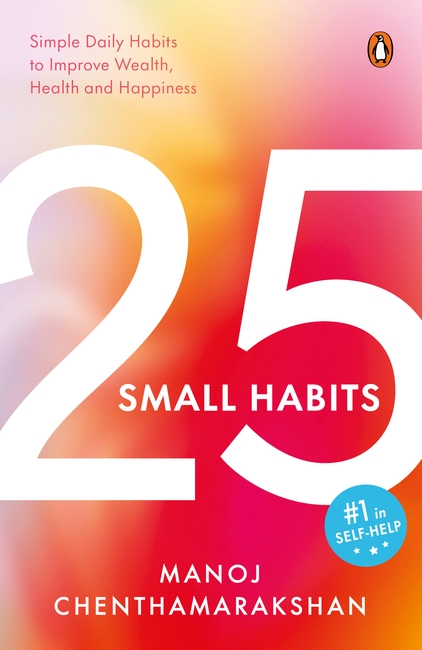
25 Small Habits by Manoj Chenthamarakshan
25 Small Habits || Manoj Chenthamarakshan
We all recognize that our habits influence how we live, but when we also know how challenging it can be to adopt a new habit. Most individuals struggle after the first week to keep up with a new habit. This book doesn’t teach you how to create habits; instead, it provides you with a list of 25 quick, easy routines that you can adopt right away.
The practises in this book are meant to help you develop holistically in terms of your personal growth, as well as your community, job, relationships, physical health, and mental health. You can decide which habits you can incorporate into your daily plan.
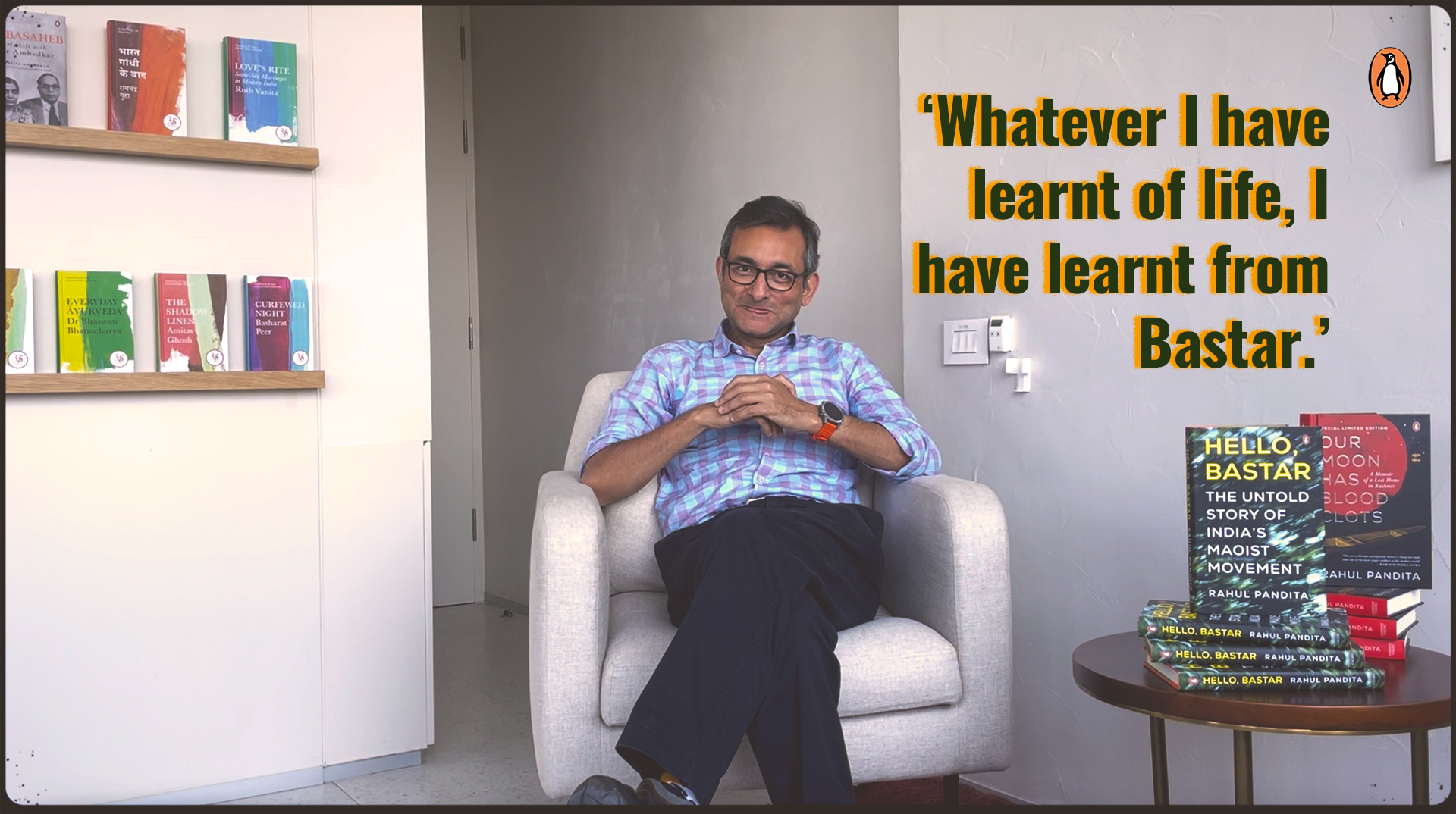
To write books that have political blood and bones, in a country like ours, is a brave job that requires hard work. And here’s someone who’s trying to do it right by talking about important issues through deep rooted investigative journalism. We sat down with the incredible Rahul Pandita and discussed both his books, Our Moon Has Blood Clots and Hello, Bastar; the different processes that went behind writing a memoir and an investigative book, and what inspires him to write.
What prompted you to write Hello, Bastar and what are you trying to say through it?
Hello, Bastar is a labour of many, many years of travel through central and eastern India, in what are widely known as left-wing, extremist-affected districts of India. Most of these travels happened at a time when the editors and intellectuals in Delhi and other bigger cities had very little idea about the movement and how large its future could be. Nobody anticipated how it would consume us in many ways in the following years until our former Prime Minister, Mr. Manmohan Singh called it the country’s biggest internal security threat.
This book is basically about how a handful of young men and women believed in a certain idea of revolution and how they created the modern Naxal movement from the jungles of Bastar in the 1980s. Hello, Bastar is mostly meant for a non-academic reader, for someone who is a student of India and really wants to know what is happening in this part of the country.
While your previous book, Our Moon Has Blood Clots was a memoir that rose out of personal and community experience, Hello, Bastar is more investigative in nature, made out of reportage and interviews. How different were both the processes? And was the latter more comfortable considering your journalistic background?
I think Hello, Bastar was a relatively easier book to write because it was largely a part of what I do as a journalist. So, writing this did not feel as hard as the previous book which is part memoir-part reportage of the exodus and torture that happened to a minority community in the Kashmir Valley. That book was more difficult to write because of the personal history involved. And as my editor, Meru might recall that there were times when I had to wait through patches of darkness because of which the book became extremely difficult to write. But during those patches, Meru did handhold me quite a few times during the writing process for which I remain grateful to her.
Both the books talk about conflicts. Is that something that particularly intrigues you?
Well, I am a conflict writer. Early on in my career, when I came to Delhi, I made a pact with myself. I vowed that I will not report on things based out of New Delhi because most times when you care about an incident or event, you have a preconceived notion about it. And most times when you actually investigate on the ground level, you are surprised to realize that your preconceived notions about most things were absolutely false. So, the reportage part of Our Moon Has Blood Clots or the entirety of Hello, Bastar has been built out of investigative journeys made through the length and breadth of the country.
Talking about preconceived notions, there must be a lot of things you would’ve learnt during Hello, Bastar. Was there one thing that particularly shocked you or was a wild revelation?
Whenever I get a chance to interact with young people, I tell them, ‘I’ve learnt nothing in school or college. Whatever I have learnt of life, I have learnt from Bastar, really.’ I spent weeks and weeks embedded with the Maoist guerillas and Adivasis in the back of beyond and learnt years in days. So, every journey, every day has been replete with some learning. And many of those learnings have left me shocked, surprised and sometimes also thankful that I could travel to these parts and learn so much not only about these people but about life in general.
And was it difficult reaching out to a community you don’t belong to? Were you apprehensive? Were they apprehensive in sharing their life and story with you?
So again, I think this is a part of a larger problem which Indian journalism suffers from. Where journalists are just paradropped at some place because of a particular incident and they spend a couple of days there, piggybacking on the previous work of stringers or local resource persons and later on claim to understand everything about that area. In the past, I have typically called it ‘clean-bedsheet journalism’ where you leave for a small town in the morning and make sure that you come back to the small hotel by the evening. But that’s not how things work, at least in Bastar.
You have to spend a lot of time in Bastar to understand its reality. When you’re travelling in the village during the day, you might come across an ordinary Adivasi at the roadside tea shop. Later, you find out that he is a Naxal Guerilla. But that is not something you will know if you just have tea there and proceed back to your station. Conflict zones are like snake pits, you don’t know who is who until you familiarize yourself to the place.
Also, it takes a lot of time for people to open up about their story. There were times when we were embedded with Maoist groups of men and women, where young women especially would really shy away and not talk at all. But after spending some days with them and talking to them, telling them you mean well, that you’re there to know their story and make them comfortable – they open up. And that again, is unfortunately not possible when you’re there for a day or two.
Once an author wrote that he spent a lot of time in Bastar but didn’t meet a single Naxal there. I remember joking about it and commenting that Naxals are not like Coca-Cola or Haldiram Bhujia. If you go inside villages, the penetration of Haldiram Bhujia is immense. But that’s not how Naxals are to be found. You have to spend a lot of time there before they let you in.
Does the fear of backlash or controversy of writing about sensitive subjects govern your writing in some way?
I think both my books with Penguin India prove the fact that I really don’t care about labels. In the past, I have been called a specialist of this and that and I refute those claims completely. I am just a student of India. Even my twitter bio says that. I came to journalism because I had jigyaasa, the intellectual curiosity about the things I saw around me and I wanted to explore their reality. So, my modus operandi is simple. If I’m intrigued about something and want to seek answers, I seek them for myself first before seeking them on behalf of anyone else. And that has pretty much guided my reporting from anywhere in India. So, I’m not really into what is fashionable to say and what isn’t. I say what I see and I try to write passionately about it.
Do you have a particular target audience in mind when you write a book? Do you think Our Moon Has Blood Clots reached the right audience, considering the current political climate of the country?
I think I am glad that Our Moon Has Blood Clots came out when our country’s politics was slightly simpler than this. My understanding of writing is very simple. I am a firm believer of the fact that your writing should be accessible to the last man down. So, there are many people who write to me saying that we have very scant understanding of English but they were able to read my book and I consider that my strength. I also think Indian journalists often miss out on the element of storytelling. So, when I write my books, I consider them an extension of my journalism. What I really want to do is to give the feel, colour and sound of the place and people I am talking about and that comes only when you have a basic understanding of storytelling. So I think these two parameters are personally very important to me.
Politics shape every individual, especially a writer. And you, quite directly, write about overtly political issues. Considering that pen is mightier than the sword and books have the power to shape individuals, do you feel a heavy responsibility while writing?
Yes, there’s a responsibility about what you’re writing.
But again, like I said, you should not worry about labels. What you see, you see to the best of your ability. We’ve just come to this terrible and ugly situation where everything is reduced to the binary of left and right. Everyone has this pressing need to put everyone in a basket. I would not like to be in any basket. I hate this basket system. Personally, I give a lot of leeway to people. Most things around our universe are not black and white. They are shades of grey. There is a subtle nuance about everything. Who are we at the end of the day? We are the sum total of our experiences. Our politics is also shaped by what we have gone through as individuals. So, you should always keep that in mind before you accuse someone of being an urban Naxal or a closet Sanghi or any other such labels.
Lastly, do you think there is a possibility of an endeavor where Kashmiri Pandits and Kashmiri Muslims could come together to share their respective points of view regarding the 1990s in the shape of a book or an art piece together?
That’s an ideal situation. But for that to happen, the Kashmiri society from both sides has to meet somewhere. Unfortunately, we are not there right now. To begin with, the idea of reconciliation has to come from the majority in many ways. There has to be an acknowledgement about what happened in the 1990s. To the best of my knowledge, there is very little collective acknowledgement. In a private space, what a Kashmiri Pandit says to a Kashmiri Muslim doesn’t matter in the larger scheme of things. What you say collectively as a debate matters, which will then find expression in writing, art and theatre. I think some work here and there gets done. My friend, M.K. Raina is an eminent theatre personality and he tries to perform initiatives like these. There are plays in which both Kashmiri Pandits and Muslims have participated. And you will find a microcosm of this in things such as weddings sometimes. There’ll be a Kashmiri Pandit wedding and a Kashmiri Muslim singer will be performing there and everyone will be nostalgic about olden times. But these events are far and few and come from a personal space. But in terms of society at a larger level, these efforts are largely missing.
If you’re intrigued to read Rahul Pandita’s works, you can get your copy of Our Moon Has Blood Clots and Hello, Bastarat your nearest bookstore or through Amazon.
As one year melts into a new one, we remember the things we are grateful for. All the people we met and held close, all the things we got to experience and most of all, the stories we call our own. Celebrate this New Year with these new books releasing this month – fresh, exciting and intriguing stories from different personalities from different fields to refresh your palette and make it ready for all the incredible things 2023 has to offer! This New Year, don’t build a sky-high TBR. Instead, take things slow, one book at a time.
And to help you with selecting you first few, here are some new books replete with self-help, historical fiction, intriguing biographies and more!
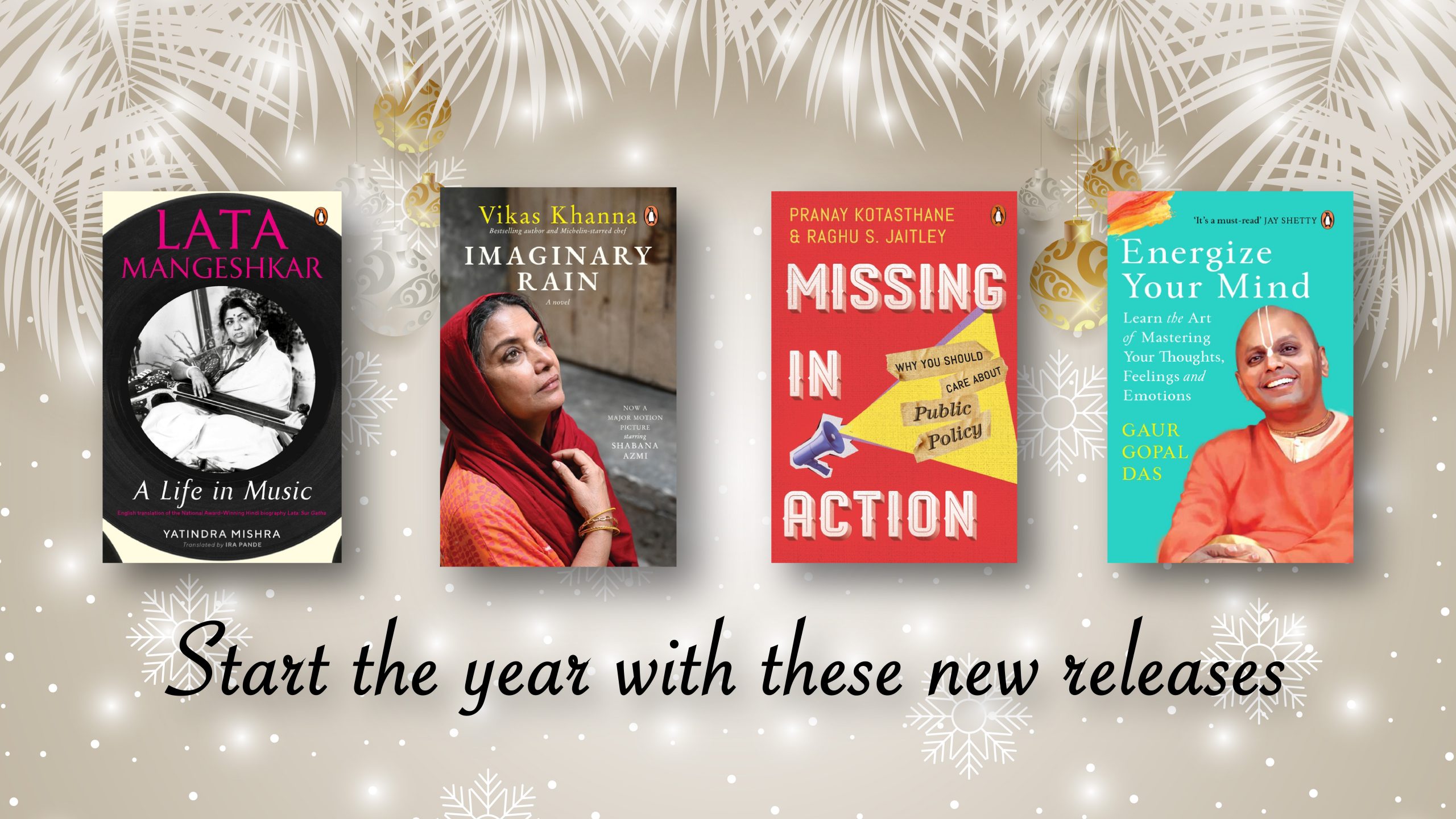
Presenting to you, the very first new releases from 2023:
Tirukkural || Meena Kandasamy, Tiruvalluvar
Tirukkural
The Book of Desire
Meena Kandasamy, Tiruvalluvar
Written by the poet Thiruvalluvar, the Kamattu-p-pal is the third part of the Tirukkural – one of the most important texts in Tamil literature. The most intimate section of this great work – it is also, historically, the part that has been most heavily censored. Although hundreds of male translations of the text have been published, it has also only ever been translated by a woman once before. Tirukkural is award-winning writer Meena Kandasamy’s luminous translation of the Kamattu-p-pal.
Meena Kandasamy delves into this classic, and provides the first feminist interventionist translation into English-remaining true to the desire throbbing through the lifeblood of the text, while retaining the drama that pervades the quintessential Tamil world of exaggerated hurt, lover’s quarrels and evenings lost to longing.
Energize Your Mind || Gaur Gopal Das
Energize Your Mind
Learn the Art of Mastering Your Thoughts, Feelings and Emotions
Gaur Gopal Das
In this book, bestselling author and life coach Gaur Gopal Das decodes how the mind works. He combines his anecdotal style with analytical research to teach us how to discipline our mind for our greater well-being. Throughout this book, he provides interactive exercises, meditation techniques and worksheets to help us take charge of our mind.
This book is an essential read for anyone who wants to work towards a better, more fulfilling future for themselves.
Missing In Action || Pranay Kotasthane, Raghu S Jaitley
Missing In Action
Why You Should Care About Public Policy
Pranay Kotasthane, Raghu S Jaitley
In Search of an Adarsh Indian State
In India, public policies are all around us. Despite this pervasiveness, yeh public sab nahin jaanti hai (the public doesn’t know it all).
Questions are rarely asked of the Indian State-the institution that makes rules, bends them and punishes others for breaking the laws it creates. The privileged can afford not to think about the State because we have given up on it. The not-so-privileged have resigned themselves to a State that provides short-term benefits. Either way, we seldom pause to reflect on why the Indian State works the way it does.
Missing in Action aims to change such perceptions through sketches from everyday experiences to illustrate India’s tryst with public policymaking. It acquaints the reader with some fundamental concepts of the public policy discipline. It explains the logic (or the lack of it!) of the Indian State’s actions, shortcomings, constraints, and workings.
Jargon-free and accessibly written, the book achieves the difficult task of both entertaining and educating.
Souffle || Anand Ranganathan
Souffle
Anand Ranganathan
One sultry Mumbai night, business tycoon Mihir Kothari takes a bite of a soufflé and drops dead. According to the CCTV footage, celebrity chef Rajiv Mehra is the killer. It seems like an open-and-shut case.
Or is it?
A catastrophic accident on the day the chef is to be hanged allows him to escape and, driven by an inner calling, pursue a new life. Chased by shadows he thought he had left behind, torn by spurned love, the chef
returns in search of the real killer so that he can prove his innocence. But there is a problem. Unknown to him, the killer has chosen his next target: the chef himself!
Soufflé is a rich, layered thriller that explores life, love and the passions that motivate people to do unexpected and impossible things.
The Company We Keep || Divya Khanna
The Company We Keep
Insights Into Indian Corporate Culture
Divya Khanna
There are many challenges facing business corporations today-the pandemic we have barely moved on from, economic recession, rapid changes in consumer behaviour and technological and competitive disruptions. These challenges stick out like the visible tip of an iceberg, while culture, the biggest challenge, is like the slow-moving, gigantic mass that lurks deep under the surface. We cannot deal sufficiently with superficial problems if we do not understand the depths that drive them.
‘Culture eats strategy for breakfast’ is a widely accepted saying in the business world, often attributed to Peter Drucker. This is as true for corporate India as it is for its consumers. Yet, we spend more time and money studying our consumers and their cultures than we do ourselves. The Company We Keep is a market research-based exploration of Indian corporate culture. It looks beyond the glamour and jargon of the business world to individual stories that share real personal insights into the aspirations, vulnerabilities, pressures and possibilities of corporate careers and lives. These are urgent conversations we need to keep having as we reflect, review and decide where we can go from here.
The Financial Independence Marathon || Vinod N. Bhat
The Financial Independence Marathon
Unlock the Power of Your Money
Vinod N. Bhat
‘Time is money’. But the opposite is also true, i.e., ‘money is time’. Money, if used wisely, gives us the free time to do what makes us happy. It is crucial to understand the concept that money creates time because time is a non-renewable resource. And becoming financially independent is akin to finding a hidden treasure of time. It’s similar to discovering a gold mine, because it gives us the ability to live life on our own terms.
The key is not to think of financial independence as a goal but as a marathon, which we need to enjoy. This book is an easy, entertaining and actionable guide to becoming financially independent and avoiding any pitfalls on the journey.
Black Soil || Ponneelan, J. Priyadarshini
Black Soil
Ponneelan, J. Priyadarshini
Kannappan is posted to Perumalpuram as the new schoolteacher. The village lies in the black soil region of Tamil Nadu where the river Tamirabarani flows. He’s an outsider in this village with Veerayyan, a local farmer, as his only guide and friend.
Once settled in his role, Kannappan observes the everyday brutality faced by the farmers at the hands of the sadistic, all-powerful landlord-the Master. Child marriage is common in the village and so is the appalling practice of marrying young lads to older women who then serve as their father-in-law’s consort. Through his gentle yet probing conversations with the villagers, Kannappan tries his best to show the villagers a better way of life. The farmers who had begun protesting the excesses meted out to them by the upper-caste landlord soon find an ally in Kannappan. The schoolteacher’s sympathies for their cause bolster their waning spirits and replenishes their resolve to fight back.
Ponneelan’s first novel is a tour de force. Now translated for the first time, Black Soil lays bare the atrocities faced by the farmers and the human cost of building a better tomorrow.
The Half Empress || Tripti Pandey
The Half Empress
Tripti Pandey
Among the rulers of Jaipur, Maharaja Sawai Jagat’s name is taken with contempt, because of his affair with a tawaif, or courtesan, Raskapoor, the daughter of a Muslim mother and a Brahmin father. The Maharaja defied all norms and bestowed upon her the title of ‘Half Empress’. With little experience, Raskapoor resiliently navigated her way through the cobwebs of the royal life. But, pitched against a fleet of plotters in an atmosphere filled with deceit, she finally fell into their trap and was imprisoned. There are many stories about how her life ended-the compassionate prison chief allowed her to flee or she flung herself on to the pyre of Jagat Singh. But today, she is best remembered by the guides who routinely mention her as a celebrity prisoner at the famous Nahargarh Fort.
In her historical novel The Half Empress, Tripti Pandey transports the reader to the royal corridors of nineteenth-century Jaipur and brings to life the story of a formidable woman who has been deliberately omitted from history.
The Half Known Life by Iyer Pico
The Half Known Life
In Search of Paradise
Iyer Pico
Paradise: that elusive place where the anxieties, struggles, and burdens of life fall away. Most of us dream of it, but each of us has very different ideas about where it is to be found. For some it can be enjoyed only after death; for others, it’s in our midst-or just across the ocean-if only we can find eyes to see it.
Traveling from Iran to North Korea, from the Dalai Lama’s Himalayas to the ghostly temples of Japan, Pico Iyer brings together a lifetime of explorations to upend our ideas of utopia and ask how we might find peace in the midst of difficulty and suffering. Does religion lead us back to Eden or only into constant contention? Why do so many seeming paradises turn into warzones? And does paradise exist only in the afterworld – or can it be found in the here and now?
For almost fifty years Iyer has been roaming the world, mixing a global soul’s delight in observing cultures with a pilgrim’s readiness to be transformed. In this culminating work, he brings together the outer world and the inner to offer us a surprising, original, often beautiful exploration of how we might come upon paradise in the midst of our very real lives.
25 Small Habits || Manoj Chenthamarakshan
25 Small Habits
Simple Daily Habits to Improve Wealth, Health and Happiness
Manoj Chenthamarakshan
We all know that our habits shape our lives, but when we try to incorporate a new habit into our lifestyle, we understand how difficult it can get. Most people fail to retain a new habit past the first week. This book doesn’t teach you how to develop habits; instead, it offers you a set of twenty-five small habits that take very little time and can be held on to without much effort.
The habits in this book are designed to give you holistic growth in terms of self-development, community, career, relationship, and physical and mental health. You can choose the habits that you are able to fit into your daily schedule.
Lata || Yatindra Mishra
Lata
A Life in Music
Yatindra Mishra
An ode to the majestic life of the late Lata Mangeshkar, Lata: A Life in Music celebrates art in its totality and tells the life story of India’s most loved vocal artists. The result of Yatindra Mishra’s decade-long dialogue with the great singer, it also explores the lesser-known aspects of the great artist, introducing the readers to Lata Mangeshkar as an intellectual and cultural exponent and providing a rare glimpse into the person behind the revered enigma.
At the confluence of cinema, music and literature, this is the most definitive biography of the voice of the nation that also documents sociocultural changes from the late British era through post-Independent India right up to the twenty-first century. This is the story of the various myths, mysteries, truths and contradictions which make a human an icon and also make an icon incredibly humane.
Unfinished Business || Nandini Vijayaraghavan
Unfinished Business
Evolving Capitalism in the World’s Largest Democracy
Nandini Vijayaraghavan
Unfinished Business is a chronicle of contemporary Indian corporate history, narrated through the professional trajectories of four high-profile businessmen: Anil Ambani, Naresh Goyal, V.G. Siddhartha and Vijay Mallya.
By no means unique in their proclivity for debt and penchant for politics, these four men belonged to a rarefied club of entrepreneurs, who could raise a sizeable quantum of financing with ease despite their businesses not generating adequate cash flows and/or possessing sufficient collateral.
So, what competitive advantage(s) did this guild of Indian entrepreneurs have? What caused their enterprises to struggle, while other similar organizations whose CEOs shared these attributes survived and even flourished? How did the Indian business ecosystem, regulatory norms, lenders’ underwriting practices and investor due diligence influence the organizations helmed by this quartet?
Following these four entrepreneurs’ careers and professional decisions, Unfinished Business throws light on the evolution of Indian capitalism during the first two decades of the twenty-first century, set against the backdrop of a dynamic political, regulatory and business climate in India. And, with great insight, clarity and analysis, Nandini Vijayaraghavan explores the takeaways for entrepreneurs, regulators, lenders and investors in this compelling, illuminating read.
Hacking Health || Mukesh Bansal
Hacking Health
The Only Book You’ll Ever Need to Live Your Healthiest Life
Mukesh Bansal
We live in a world where there is a new fad diet, superfood, supplement or nutrition theory every month. There are so many tricks to optimizing workouts, peak performance, burning fat, living longer, sleeping better and biohacking your immune system. Wellness has become a part of mainstream discourse like never before, and the result is an overwhelming barrage of seemingly contradictory information.
But here’s one simple truth: good health impacts every aspect of life, be it productivity at work, interpersonal relationships or a balanced family life. In Hacking Health, Mukesh Bansal takes on the mammoth task of demystifying the science, simplifying the research and tracing the story of our relationship with our body. Through a combination of personal experience and cutting-edge science, this is a book that draws from ancient wisdom and also debunks unscientific myths to help you make smart choices in pursuit of good health. From nutrition and fitness to sleep and immunity, weight management and mental health to ageing and longevity, this book delves into the breadth and depth of holistic health and helps you navigate the lines between science and pseudoscience.
Imaginary Rain || Vikas Khanna
Imaginary Rain
Vikas Khanna
Prerna, a woman now in her fifties, has been running an Indian restaurant in downtown Manhattan for two decades. She is on the cusp of a midlife crisis, and her life indeed unravels when she suddenly loses her son, her lease, and with these, her passion for cooking as well. Caught in the grip of newly awakened emotions, Prerna finds herself confronted by many haunting questions from her past, which take her back to her motherland, India. And so begins an intensely personal struggle that will lead Prerna to forgive herself, escape her past and rediscover her true passion for cooking.
This novel is a celebration of life as well as an immigrant’s story of survival, forgiveness and moving on.
91 Predictions || Greenstone Lobo
91 Predictions
The Fate of the World and Its People in the Next Half Century
Greenstone Lobo
Is Pluto a planet? Or a dwarf planet? The controversy rages. But this planet, on the fringes of our solar system, has immense astrological significance, unexplored by the Vedic and Western astrologers. Author and scientific astrologer Greenstone Lobo believes Pluto symbolises destruction and regeneration-as the mythological Rudra Shiva.
In a scary and uncertain world-on the edge because of a pandemic, economic crises, ecological disasters and pandemonium in politics, Lobo looks towards Pluto to make sense of the past, present and the future.
He describes the planet’s journey over the last 250 and the next fifty years, as well as the grand scale on which it can operate. Exploring its character and impact, Lobo discusses his techniques for predictions, the cyclical nature of Pluto, how it changed the world order and its relationship with astrological signs.
From his unique insider’s perspective-as someone familiar with the ways of Pluto through his research-Lobo predicts what to expect and how to prepare for it through 91 predictions. What will the next fifty years bring? When will the world see the last of the pandemic? Who will lead India next? Can India win the next Cricket World Cup? What does the future hold for Ranbir Kapoor and Alia Bhatt? What lies in store for star kids Suhana Khan, Hrehaan Roshan, Aarav Akshay Kumar and Aaradhya Bachchan? What about Messi, Angelina Jolie, Rihanna, Beyoncé and others who hold our imagination today?
The Nitopadesha || Nitin Pai
The Nitopadesha
Nitin Pai
In the distant land of Gandhara, there once was a janapada called Chakrapuri. Its elders were a worried lot. Their children were uninterested in the welfare and upkeep of the janapada. Most of them were consumed by self-interest and avarice, seeking personal gains, even at the cost of their fellow citizens. Realizing that the young must learn the arts and crafts of citizenship, the Sabha of Chakrapuri decided to employ Nitina of Takshashila, whose wisdom was said to be unparalleled, to teach their children. So it came to pass that the unconventional scholar was entrusted with the charge of these boys and girls for the next ninety days.
Thus begins the Nitopadesha. A labyrinth of stories in the style of the Panchatantra and the Jataka tales, this is a book about good citizenship and citizen-craft that will speak to the modern reader. Covering aspects such as what citizenship means, the ethical dilemmas one faces as a citizen and how one can deal with social issues, Nitin Pai’s absorbing translation is an essential read for conscientious citizens of all ages.
The Book of Dals || Pratibha Karan
The Book of Dals
Pratibha Karan
Dals have been an essential part of the human diet for centuries and they are an integral part of Indian cuisine. There are many enticing varieties of dals to choose from.
Pratibha Karan, in The Book of Dals, takes you on an incredible journey to different regions of the country and shows how locally available spices and herbs, vegetables and fruit impact the food of that region. The variety of dals and dal-based dishes that you can make with these are phenomenal and mind-boggling.
This book offers many varieties of beautiful, fragrant and beguiling dals that will have anyone savouring them in raptures. From the southern India, you will find Telangana Sambar, Khatti Dal and Dalcha with Vegetables and Meat. They are made using delicious combinations of chillies, tamarind, cloves, cardamom, pepper, coconut, curry leaves and drumsticks. It also has recipes such as Kootu from Tamil Nadu and the famous Bisi Bele Huliyana from Karnataka. This book is not limited by borders. It includes exotic dal recipes from the neighbouring countries like Nepal and Sri Lanka, and some delicious and wholesome dal-based soups too.
The Best of Satyajit Ray || Satyajit Ray
The Best of Satyajit Ray (Boxset, Volume 1 & Volume 2)
Ray Satyajit
While Ray’s films are fairly well-known, his writings-fiction and non-fiction-written in Bengali and English continue to attract attention. His illustrations, design works, comic strips, science fictions, detective stories are gems of Indian literature. Ray’s non-fictions are gems, which bring to lights his thoughts on film-making, film appreciation, composition of music, art, design and screenplay, among others. ‘The Penguin Ray Library’ is an endeavour to open a window to the master’s writings to a wide spectrum of readers.
From the ever-popular adventures of Ray’s enduring creation, the professional sleuth Feluda to the chronicles of Professor Shonku; short stories; writings on filmmaking; and thoughts on world as well as Indian cinema, among others, this anthology, a two-volume boxset, The Best of Satyajit Ray is not only a treat for the Ray enthusiasts but also a collector’s edition.
Anthill || Vinoy Thomas, Nandakumar K.
Anthill
Vinoy Thomas, Nandakumar K.
Bounded by dense Kodagu forests on the south and west, and rivers on the north and east, Perumbadi, at the border between Kerala and Karnataka, has hidden itself from the world. Its very isolation has attracted varied settlers from south Kerala over the years. The first settler on this land, Kunji Varkey, was fleeing the opprobrium of getting his own daughter pregnant. Those who followed had similar shameful secrets.
Anthill, the exquisite translation from the Malayalam of the Kerala Sahitya Akademi-winning novel Puttu, is the story of common people who tried to wriggle out of the shackles of family, religion and other restraining institutions, but eventually also struggle to civilize themselves-from their beginnings of a hillbilly existence and life as a promiscuous community.
As Perumbadi moves into modernity and feels the need for refined justice, Jeremias comes to be known by the moniker President and becomes the unchallenged adjudicator of Perumbadi, thanks to his equanimity and sense of fairness. However, even as he resolves local disputes, he is troubled by developments in his own home and by his own moral failure.
Which is going to be your new pick this New Year 2023?