Think creatively like a human. Solve problems efficiently like a computer.
Our everyday lives are filled with inefficient and ineffective decision making and solutions. Being overwhelmed by the magnitude of our problems makes it hard to think clearly. We procrastinate and overthink. Our thoughts are tainted with biases. By applying computer algorithms to everyday life, you
can simplify your decision-making and problem-solving process and get satisfying, consistent results!
With the rapid development of Artificial Intelligence, learning how to combine human skills with technical knowledge is important to enhance your professional skillsets and set you apart in the job market.
Learn what algorithms are and use them for better decision making, problem-solving, and staying on track with your plans.
Become more productive, organized, finish what you start, and make better decisions. If you feel that you’re not living up to your potential, struggle with being consistent about your habits, and would like to walk
in pace with the changing times, this book is for you!
Mortal danger follows the Pandavas and Panchali into exile.
Back in Hastinapur, the bloody-minded Kauravas continue to scheme for total domination.
Both Arjuna and Duryodhana approach Krishna for help.
Is war between the cousins inevitable? Or will the elders manage to avert it?
The Book of Discoveries is the eagerly awaited second instalment of the Mahabharata trilogy, which began explosively with The Book of Vows. Imagined afresh and composed in a style that captures the power, charm and ambiguity of Vyasa’s Mahabharata, this book dramatizes the stunning prelude to war—one that is full of thrilling adventures, fateful encounters and life-altering revelations.
Grounding his telling in the original Sanskrit version, Majmudar has recreated the ancient epic for a contemporary audience. His finest work yet, this is one of the most accessible, magical and unputdownable retellings of the Mahabharata. The Book of Discoveries will be followed by The Book of Killings.

Control your brain so it doesn’t control you. A science-based approach to getting things done and avoiding laziness and procrastination.
Our brains are not wired for goal achievement. They are wired only for speed, survival, and the present moment. It’s time to defeat this primal tendency and make self-discipline your new normal.
Neuro-Discipline tells the tale of two battling brains, and why we are predisposed to laziness and energy conservation. The key to beating this is understanding the brain’s imperatives and working with them. Neuro-Discipline is your easy and practical guide to self-discipline success.
With over 20 actionable tips you can use today, learn to beat your temptations, excuses, and weaknesses:
- Learn about the two brains and the two versions of you that are always locked in battle.
- How to trick the brain for action and productivity without working against it.
- The role of dopamine and how we can simulate it for our own purposes.
- How to talk to yourself and design your environment to stay on track.
- Reframing excuses and dissecting your emotional reactions.
- How to create a calm mind for ruthless execution.
In The Company of Violent Men, investigative journalist Siddharthya Roy takes us on an unflinching and deeply personal journey into reporting violent political conflicts in South Asia. From the Rohingya refugee camps in Bangladesh, where drugs and human trafficking run rampant, to the forests of Chhattisgarh, where Maoist rebels and the Indian State have waged a war for half a century, on to the enduring conflict zone of Kashmir, caught between India, Pakistan, Roy narrates the cycles of brutality, exploitation, and injustice in which everyday people are caught.
From a genocide survivor—a little girl—who asks for nothing more than a hot meal to an aspiring suicide bomber with cannabis-laden dreams of global destruction, Roy paints kaleidoscopic and haunting portraits of mercenaries and middlemen, refugees and insurgents—each complex and morally ambiguous. As he navigates the minds of others, Roy often turns the lens inward with uncompromising honesty, examining his own evolution as a journalist and the ethical dilemmas he faces.
This part memoir, part reportage, crackles with the urgency of war dispatches. And yet, pausing and meditating, it peels back hurried headlines, making readers bear witness to what the reporter saw when he ‘looked beyond the burqa and the beard, beyond the olive-green of one fighter and the camo fatigue of the other, and talked to the humans who wear these facades’.
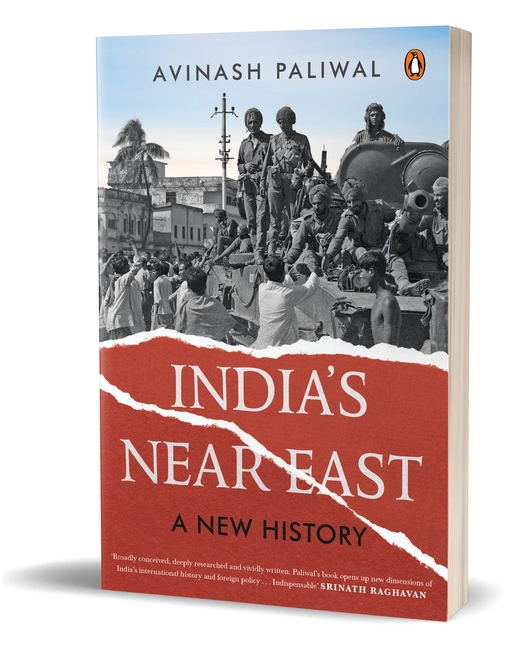
Celebrated as a theatre of geo-economic connectivity typified by the ‘Act East’ policy, India’s near east is key not only to its great-power rivalry with China, which first boiled over in the 1962 war, but to the idea(s) of India itself. It is also one of the most intricately partitioned lands anywhere on Earth. Rent by communal and class violence, the region has birthed extreme forms of religious and ethnic nationalisms and communist movements. The Indian state’s survival instinct and pursuit of regional hegemony have only accentuated such extremes.
This book scripts a new history of India’s eastward-looking diplomacy and statecraft. Narrated against the backdrop of separatist resistance within India’s own northeastern states, as well as rivalry with Beijing and Islamabad in Myanmar and Bangladesh, it offers a simple but compelling argument. The aspirations of ‘Act East’ mask an uncomfortable truth: India privileges political stability over economic opportunity in this region. In his chronicle of a state’s struggle to overcome war, displacement and interventionism, Avinash Paliwal lays bare the limits of independent India’s influence in its near east.
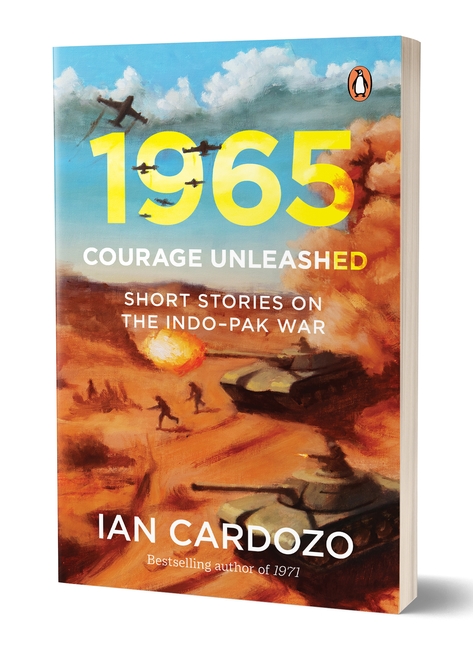
Did you know that the 1965 Indo–Pak War was initiated by Field Marshal Ayub Khan of Pakistan in an effort to wrest Jammu and Kashmir (J & K) from India? His failure to achieve his aim led eventually to his overthrow.
The Indo–Pak war of 1965 started as a localized conflict in J & K and exploded into a complex all-out war fought on a much bigger scale than the wars of 1947–48, 1962, 1971 and 1999. It extended from Ladakh in the north to Bikaner in Rajasthan and across the states of J & K, Punjab, Rajasthan and West Bengal. In extent, what was handled by the Western Command in 1965 is being handled today by three commands.
This account highlights the human dimension of war through the dramatic personal experiences of army and air force officers that astonish and overwhelm one’s imagination. It will convince the reader that real life is often stranger than fiction. The book also brings to light little-known facts that occurred across land, sea and air.
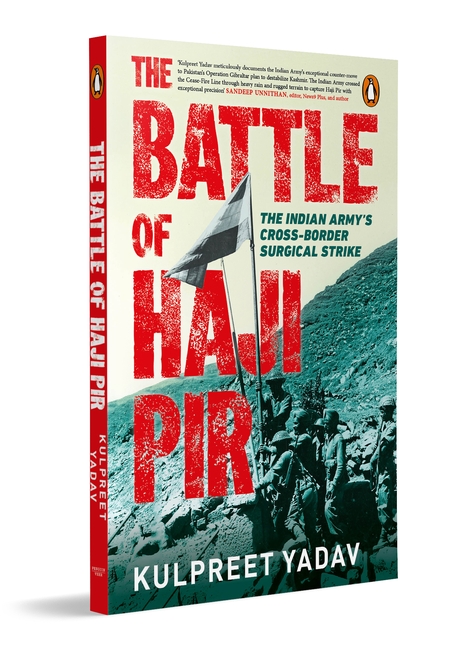
In August 1965, 30,000 Pakistani infiltrators crossed the Cease Fire Line (CFL) in Kashmir and began attacking civilians and army personnel. Codenamed ‘Operation Gibraltar’, this assault involved a mix of trained militia, mercenaries and Pakistani army personnel. Amidst the devastation, Indian forces retaliated and captured the strategic Haji Pir Pass.
The triumph however was short-lived as the pass was returned under the Tashkent Agreement, a bitter pill for the soldiers who had fought tirelessly for it. This book chronicles their courage and sacrifice, offering a poignant glimpse into the lives of those who won the Haji Pir Pass, a symbol of both victory and loss for India.

अमेरिका के कैपिटॉल बिल्डिंग में हॉर्वर्ड के सिम्बॉलॉजिस्ट रॉबर्ट लैंग्डन सायंकालीन लैक्चर देने जाते हैं तभी अजीबोगरीब घटना घटती है। वहाँ एक पाँच चिह्नों वाली वस्तु मिलती है और लैंग्डन पाते हैं कि वह कोई प्राचीन आमंत्रण है जिसे पाकर अतीत के ज्ञान को हासिल किया जा सकता है। लेकिन इसी बीच जब उनके गुरु का अपहरण हो जाता है, तो उन्हें पता चलता है कि उन्हें छुड़ाने का एक मात्र रास्ता उस आमंत्रण को स्वीकार करना ही है।
क्या लैंग्डन अपने गुरु को छुड़ा पाते हैं?
क्या वह प्राचीन ज्ञान को हासिल कर पाते हैं?
यहीं द लॉस्ट सिम्बॉल की कहानी है।
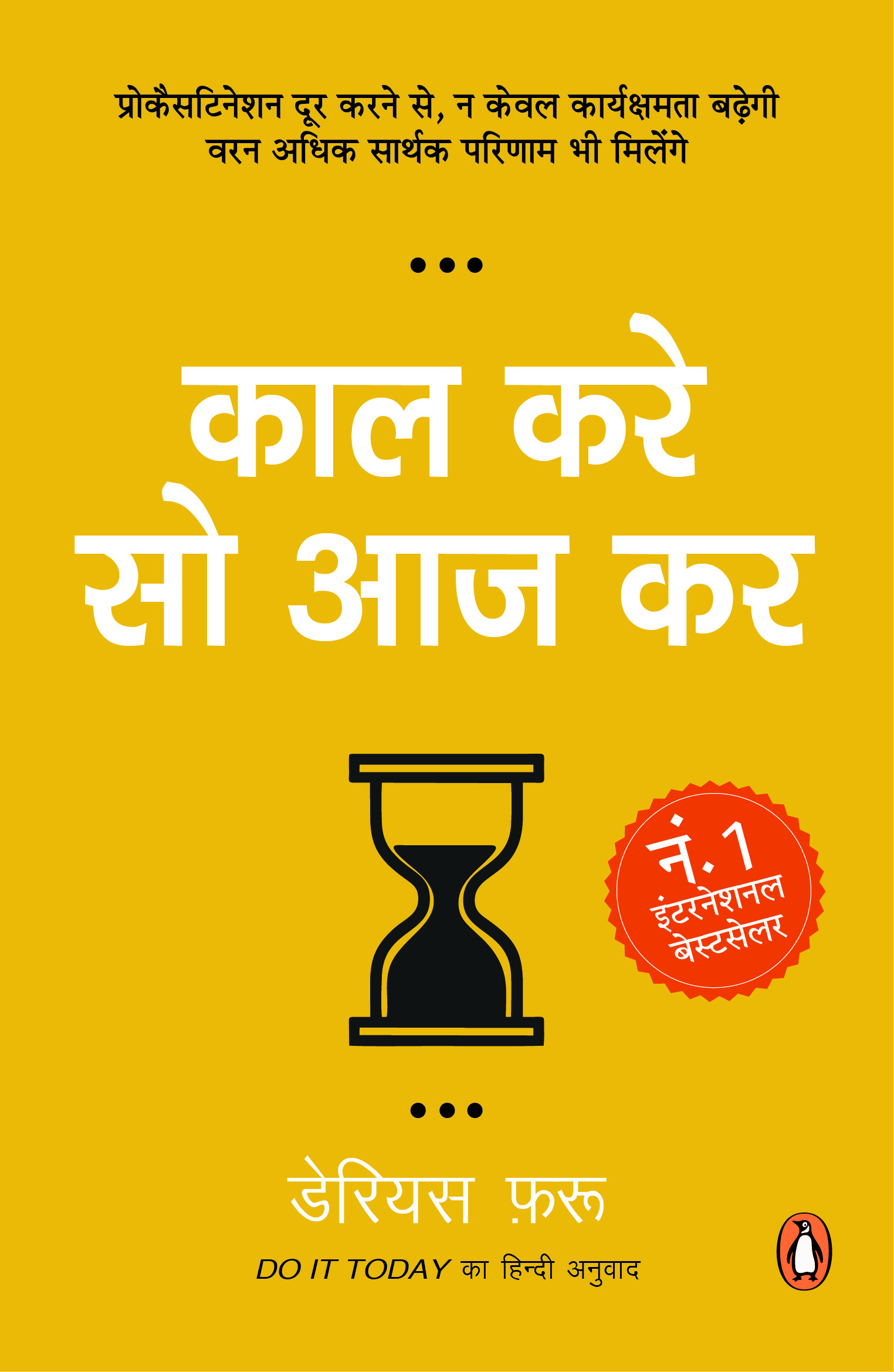
इस पुस्तक के बारे में स्वयं लेखक ने लिखा है कि आज जो कर रहे हैं, वह यह तय करेगा, कि आप अगले एक साल, दो साल या दस सालों में कहाँ होंगे। प्रत्येक दिन हम वह काम करते रहते हैं, जिसे हम करना नहीं चाहते। मैं बिल जमा करने या वॉशरूम साफ करने जैसे कामों की बात नहीं कर रहा हूँ। मैं बात कर रहा हूँ कि आप अपने अधिकतर समय का कैसे उपयोग करते हैं। वह समय, जो आपके जीवन का ‘हासिल’ है। जीवन में उच्च लक्ष्य हासिल करने और आगे बढ़ने के लिए यह पुस्तक व्यक्तित्व विकास की एक महान पुस्तक है।
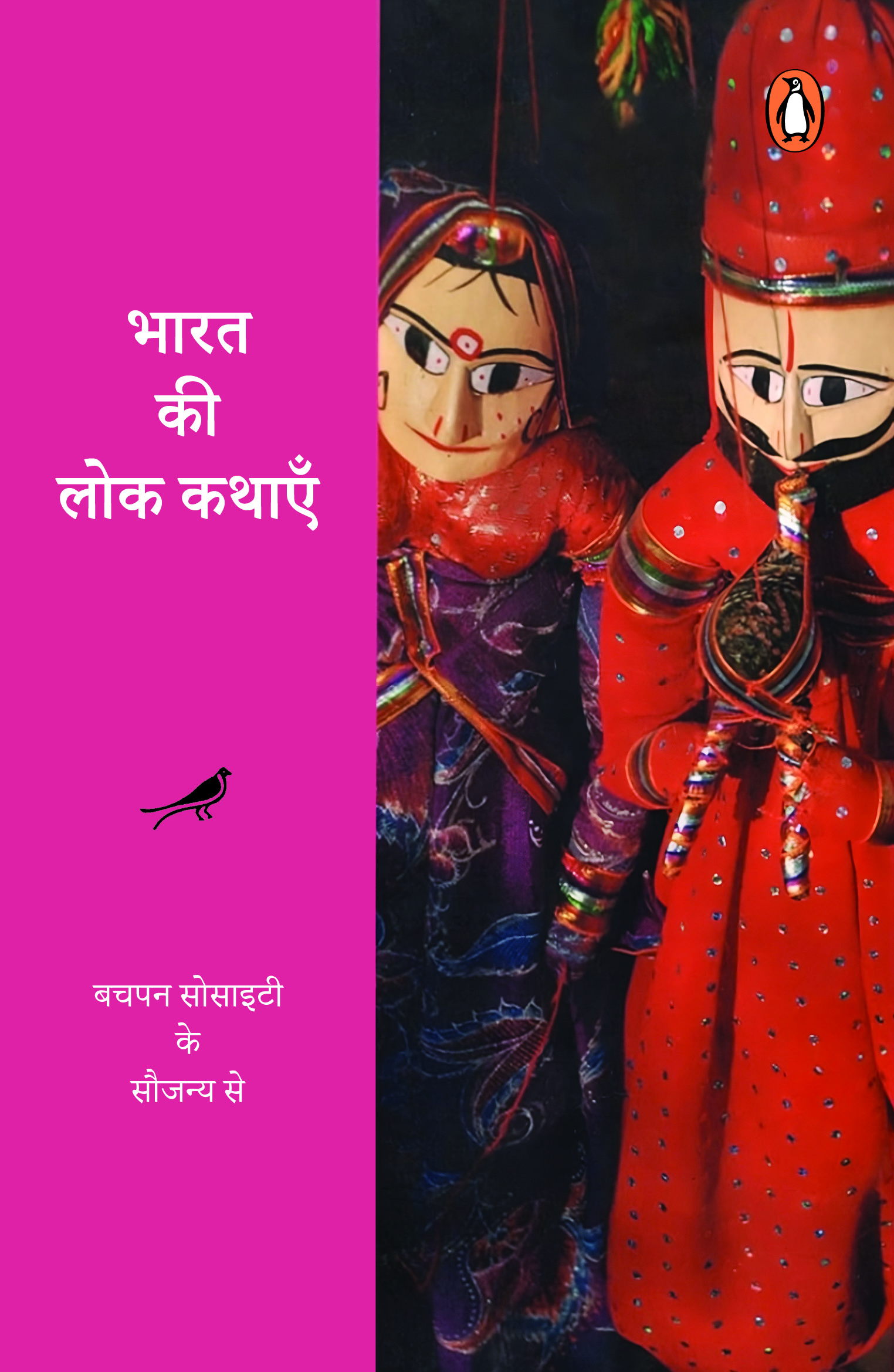
लोककथाएँ मानव-समूह की उस साझी अभिव्यक्ति को कहते हैं जो कथाओं के विभिन्न रूपों में अभिव्यक्त होता है। सबसे महत्त्वपूर्ण बात यह है कि कुछ निश्चित कथानक रूढ़ियों और शैलियों में ढली लोककथाओं के अनेक संस्करण, उसके नित्य नई प्रवृत्तियों और चरितों से युक्त होकर विकसित होने के प्रमाण है।
ये लोककथाएँ सत्य घटनाओं पर आधारित हैं, जबकि कहानियाँ काल्पनिक होती हैं। इन लोक कथाओं का उद्देश्य यह है कि कैसे पौराणिक कथाओं के ज़रिए लोगों के बीच एकता, आपसी प्रेम, भाईचारे और सक्षम होने का ज्ञान दिया जाता है। इनकी पहचान यही है कि लोक कथा एक पीढ़ी से दूसरी पीढ़ी यात्रा करती हैं।