Today, mobile connections are so readily accessible that it is perhaps easy to forget the time when only the elite had access to a phone provided by the sole operator: the Government of India. It all changed in the early 1990s as liberalisation stirred the Indian economy out of its decades of complacency.
The Telecom Wars begins its narration from those times, traversing the uncertain early years of the mobile phone industry. It is a vivid portrait of the fierce competition as Tata, Birla, Reliance, and Bharti bid to capture the lion’s share of India’s billion voices. As they did, India’s institutions to regulate and manage the sector also evolved—the ministry separated from the Telecom Regulatory Authority of India (TRAI), the Telecom Disputes Settlement and Appellate Tribunal (TDSAT), and state-run operators MTNL and BSNL also joined the fray. Policy makers, entrepreneurs, and bureaucrats worked tirelessly to change India’s cellular topography.
Fast-paced and expertly written, veteran financial journalist Deepali Gupta’s account is both a comprehensive history and a work of great business insight.

John Matthai was independent India’s first railways and transport minister. Later, he was India’s second finance minister but resigned due to his differences with Pandit Nehru over the Planning Commission. Matthai served in important position in the Tatas and was a friend and confidant of J.R.D. Tata. He was chairman of the Taxation Enquiry Commission (1953), which provided a framework for the future tax policies of the government. Matthai was the first chairman of the State Bank of India of the court of governors of the Administrative Staff College of India, Hyderabad, and of the National Book Trust. He was also the founder-president of the National Council of Applied Economic Research, New Delhi.
Drawing from numerous primary and secondary sources this comprehensive biography introduces Matthai to a new generation, even as it rekindles the memory of a man who has become the victim of collective amnesia. Meticulously researched and engagingly written, it also provides a window to that period in history: Matthai’s life and work provide a picture of those tumultuous times as well as describe the thinking that went into the making of modern India. This biography fills an important gap by throwing light on one of the more substantial, but now forgotten men, in the public life of those times.

IPS officer Arjun Kumar has always played by the rules—a decorated officer, a devoted husband and a high achiever with a perfect life. But when he meets the captivating singer Madhushree at a police event, his carefully constructed world begins to crack. Stolen glances turn into whispered conversations, and before he knows it, he’s entangled in an affair that he never saw coming.
Passion turns to peril when an untimely death threatens to implicate him in murder. As he scrambles to cover his tracks, the walls start closing in—his wife’s growing suspicion, an unscrupulous Godman tightening his grip on power, and a faceless stranger lurking in the shadows. But what began as a personal transgression has drawn him into a dangerous conspiracy—one that could destroy not just his life, but the very system he swore to protect.
With the police closing in, enemies circling, and his conscience weighing him down Arjun realises he is no longer just hiding a mistake—he is caught in a deadly game of power and deception where every choice has consequences. As the truth edges closer, he must decide whether to keep running or fight. The line between duty and betrayal has never been thinner—and the clock is ticking.
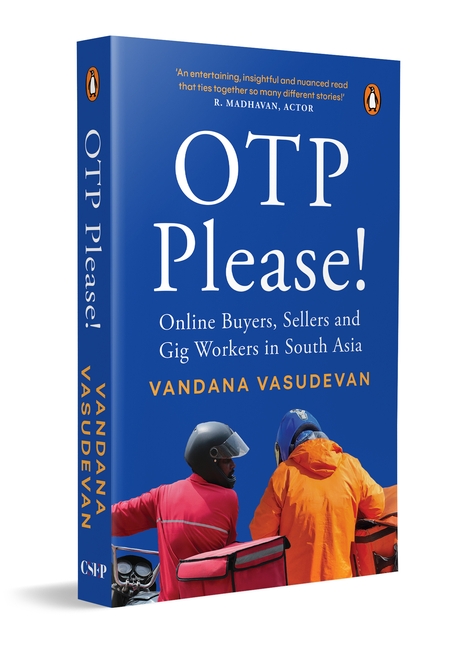
A great shift is underway in how we buy, eat, move, work and sell owing to technological intervention. Tech platforms—whether a Swiggy, Amazon or Uber in India, a Foodpanda in Pakistan or a Pathao in Bangladesh or Nepal—have eased the pressures of modern life. They have freed up our time, provided jobs to grateful millions and delivered guilty pleasures and last-minute necessities to online buyers.
But behind the dazzle of the digital, much is opaque. Gig workers live a precarious life while internet retailers cope with the oppressive rules of global behemoths. Consumers wonder if there are are consequences to instant gratification and the extreme ease of living.
OTP Please delves into the wondrous new world of electronic commerce by connecting diverse stories and perspectives gathered across South Asia, from Peshawar to Patna and Colombo to Kathmandu. It explores the emotional dynamics between the different actors on this stage, the workings of tech companies and the implications for policy. Deeply researched and breezily narrated, it is essential reading to understand this extraordinary digital age that we inhabit.
In this transformative book, serial entrepreneur and leading digital venture builder in India Manish Vij chronicles his journey from modest beginnings to the heights of entrepreneurial success with disarming honesty. The story of outpacing circumstances unfolds through the launch of Kabadibazaar.com from a college hostel room and continues through the launch of Quasar, India’s leading digital media agency, SVG Media, a pioneering adtech company, and Letsbuy.com, a prominent e-commerce platform.
Brick by painstaking brick, we witness the dizzying heights of large funding rounds and the exits of these businesses to WPP, Dentsu and Flipkart, respectively, all the while having a ringside view of the mistakes he makes along the way. An unfettered story, written from the heart, Brick by Brick offers actionable insights to aspiring entrepreneurs and asks them to DARE—Dream, take relentless Action, build lasting Relationships and be open to making the most of the serendipitous Edge that life has to offer you.
A never-before-seen view from the entrepreneurial trenches, this book will hook you and propel you to ditch the excuses and make your dreams come true.

Modern men called it a myth.
Now, the great war is coming again.
It is 2025. A doomsday prophecy halts time as an ancient bloodline blessed by Krishna stands on the brink of extinction. When social media influencer Divyansh Ananthar is embroiled in a controversy that puts him on a dangerous path, he finds an unlikely saviour who opens his eyes to everything he believes to be a myth. As it turns out, the war in Kurukshetra was not the end but just the beginning. The Mahabharat is set to happen again, and a non-believer is the key to the war of the gods.
Thrust into a world where demigods walk among us and ancient warriors silently await the return of the Mahabharat, Divyansh must uncover the secrets of his ancestors that have made him the ultimate target. Joined by a powerful celestial being, an old friend and her brave dog, he embarks on a race against time to prevent the return of a war prophesied to mark the end of everything. Unknown to him and his companions, Ashwatthama has risen. And this time, he is determined to win at any cost.
In an age where even the gods have abandoned humankind, can Divyansh and his friends defy the limits of destiny and time to stop the greatest war from unfolding?
You are about to find out.
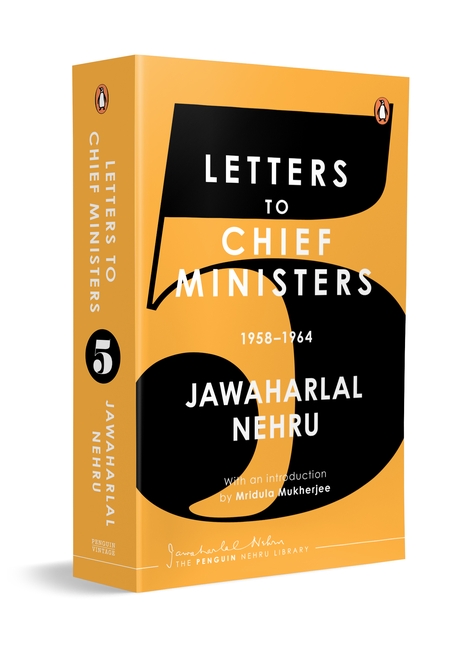
The final volume of Nehru’s letters captures his leadership during some of India’s most challenging years. From the Chinese aggression of 1962 to his unwavering commitment to non-alignment and development, these letters reflect a leader confronting external threats and internal transformations. Nehru’s focus on land reforms, education, and rural progress underscores his belief that a resilient nation is built from within.
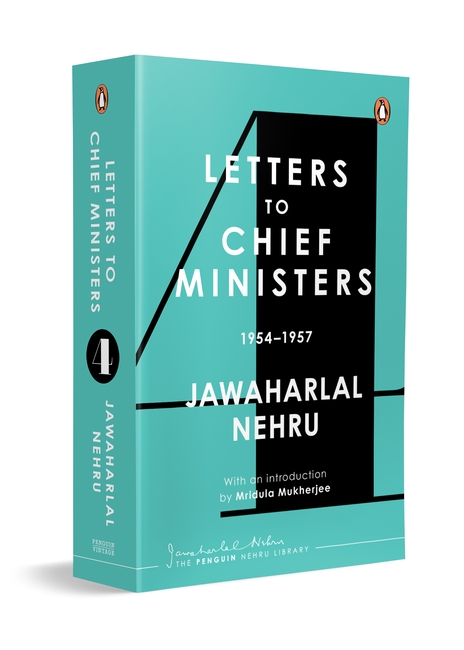
This volume captures Nehru’s reflections during a period of growing global influence and domestic optimism. From advocating non-alignment at international forums to addressing the successes and challenges of India’s economic plans, these letters offer a glimpse into his vision for a young nation finding its footing in a changing world.
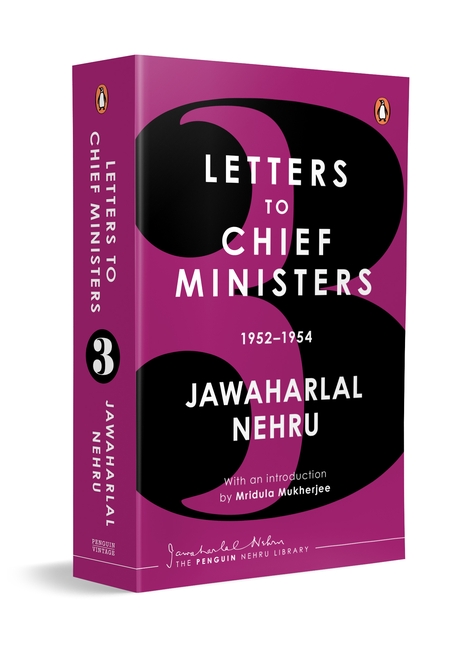
The third volume of Jawaharlal Nehru’s Letters to Chief Ministers spans from mid-1952 to mid-1954. They delve into the nation-building efforts of a young republic. Addressing challenges in planning, land reforms, community development, and administration, as well as the integration of the North-east frontier, these writings reflect Nehru’s vision and the complexities of shaping India’s future.
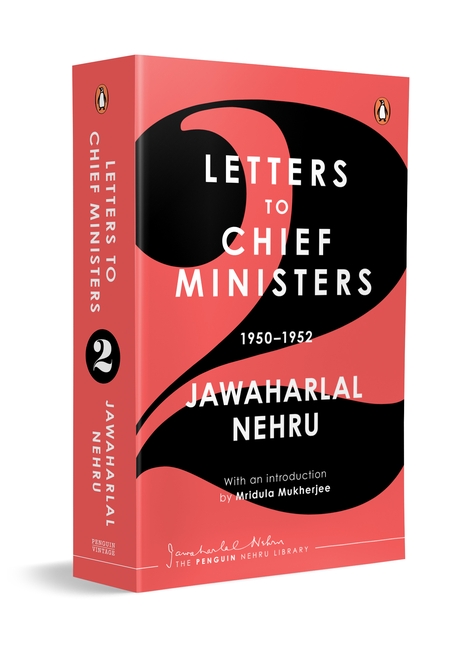
The second volume of the Letters to Chief Ministers captures Nehru’s reflections during a defining phase of India’s democracy, from the adoption of the Constitution to the establishment of the first elected government. Through these letters, Nehru shares his thoughts on the challenges and aspirations of shaping a nation under its new framework of governance.