



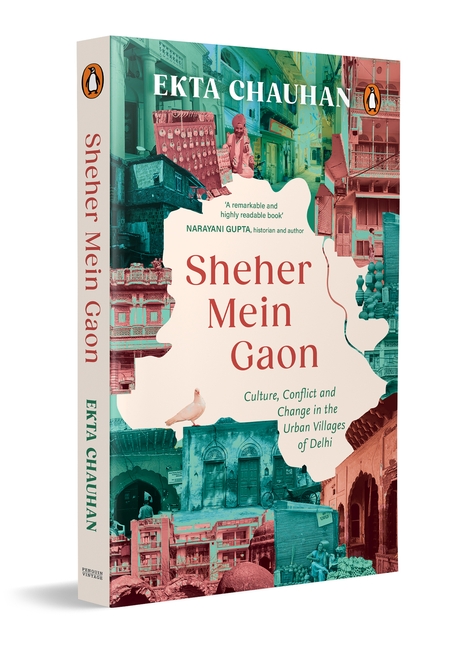
Delhi’s urban villages are paradoxical spaces—at once ancient and evolving, marginalized yet central to the city’s modern economy. These are places where centuries-old traditions coexist with pop-up cafés and start-ups, and where the past is never quite past.
Born out of state-led land acquisitions from the early 20th century, these villages were thrust into transformation through urban expansion. What emerged was not a seamless integration, but a complex in-between: part city, part village, part memory, part reinvention. This book journeys into those spaces—exploring how people remember, resist, and reimagine their place in a city that’s always on the move.
Through stories of place, identity, and power, Sheher Mein Gaon uncovers how these neighbourhoods reflect the deeper tensions of modern urban life—between tradition and progress, belonging and exclusion, history and ambition.
Archives: Books
The Lost Author

In 1949, rising novelist Euan travels to a remote island at the invitation of his reclusive mentor, the legendary Malcolm Furnivall.
Malcolm has also gathered his loved ones to the island and tells Euan he needs help completing his masterpiece: one final book. But days later, he’s found dead, and Euan narrowly escapes an attempt on his own life.
As Euan searches for the killer and Malcolm’s missing masterpiece, the island reveals stranger secrets. Past and present blur, as Euan races to find the manuscript before it falls into the wrong hands.
A mystery steeped in ambition, grief, and the cyclical curse of legacy, The Lost Author is a haunting exploration of time and the stories that bind us.
How to Be Happy with Who You Are | Puffin Chapter Book | Full-colour, Gorgeous Illustrations | Perfect Introduction to Sudha Murty | Ages 5+
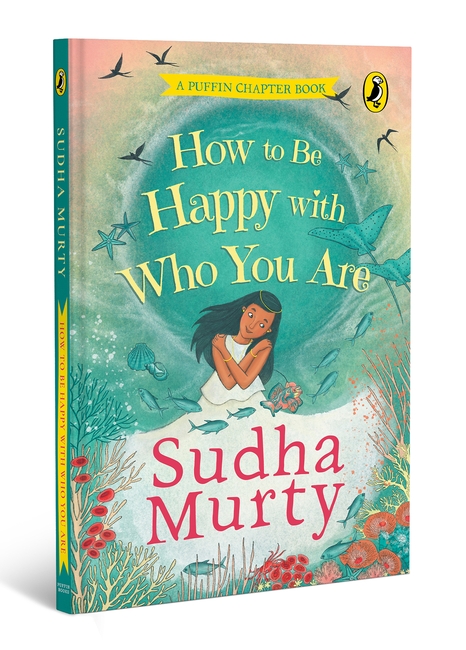
‘True happiness comes not from comparison, but from accepting who we are.’
The young Princess of the Sea wants to be like her friends—strong like a mountain, sweet like a river, or full of life and colour like a tree. But with each change, she faces new surprises.
With the turn of seasons and shifting forms, she learns a gentle lesson: you shine brightest as yourself.
A magical, thoughtful tale about nature, change and self-acceptance, this charming chapter book is the ideal introduction to the imaginative world of Sudha Murty.
Talking to the Baby in the Womb

The months of pregnancy have emotional, physical, mental and sensory aspects. A healthy coordination of all four is important to make it a pleasant experience.
Garbha Vidya, the groundbreaking technique developed by Dr Andal Bhaskar and Dr S. Bhaskar, is a practice rooted in Indian tradition, focusing on nurturing the mind and spirit of the unborn child through positive communication, music, and mindfulness.
Developed through years of observation, research, and practical application, this holistic approach not only enhances the mother’s emotional well-being but also promotes the baby’s development and emotional intelligence. Practising the technique has been seen to make the expecting mother happy and confident, something that in turn lead to her bonding with her unborn child.
Apart from being a comprehensive guide to Garbha Vidya, this book also addresses crucial aspects of pregnancy, including the right diet, yoga and meditation practices, exercises, and tips for an easy normal delivery.
Whether you’re a first-time mother or looking to enhance your pregnancy experience, Talking to the Baby in the Womb is your go-to resource for a joyful and confident journey to motherhood.
The Art of Conversation
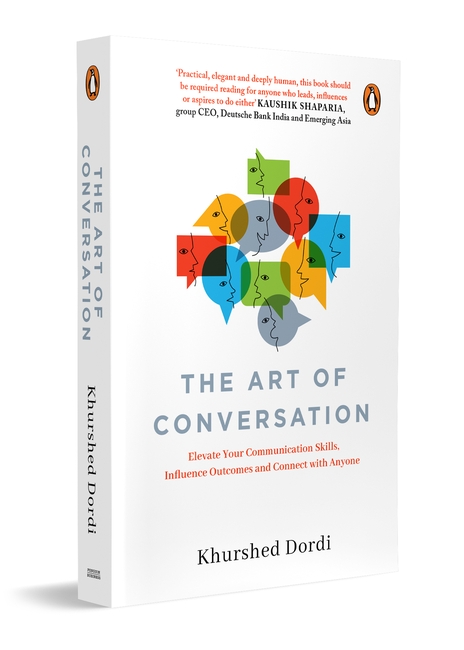
In today’s fast-paced, interconnected world, where information flows freely and attention spans are fleeting, the ability to communicate effectively is more critical than ever. Yet so many of us struggle to articulate our thoughts clearly, connect with others authentically, and leave a lasting impression. The good news is that communication is a skill, not an innate talent. And like any skill, it can be learned, honed, and mastered with practice and the right guidance. That’s where this book comes in. It’ll guide you through a holistic approach to communication that focuses on developing your inner strength, understanding the nuances of human interaction, and crafting narratives that captivate and inspire. Think of this book as your personal communication coach, your trusted confidant, and your storytelling mentor all rolled into one. It’ll challenge you to step outside your comfort zone, confront your fears, and embrace your unique voice. It’ll equip you with the tools and techniques you need to navigate any conversation with poise and confidence, whether it’s a job interview, a client pitch, or a networking event.
The Forever Green Lore and Legends of Kerala
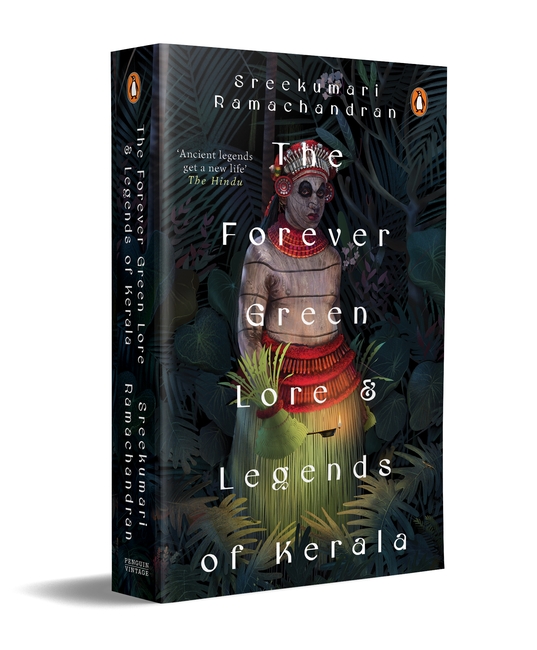
Dive into the enchanting world of The Forever Green Lore and Legends of Kerala, where history and mysticism intertwine to create a tapestry of cultural heritage that is both vibrant and timeless. This book is a heartfelt journey through Kerala’s rich traditions and folklore, offering readers a glimpse into the soul of this captivating region.
Each chapter is a doorway to the past, revealing stories of divine interventions and miraculous events that have shaped Kerala’s identity. Experience the thrill of the legendary snake boat races of Vanchippattu and the spiritual fervour of Villadichan Pattu performances. Feel the divine presence in tales of Karuppaswamy’s possession and the sacred timber of Aranmula Temple, where faith and devotion transcend the ordinary.
Through vivid storytelling and meticulous research, The Forever Green Lore and Legends of Kerala celebrates the enduring spirit of its people. It is a tribute to the profound devotion of individuals like Poonthanam Nambudiri and Gouri, whose spiritual journeys offer a glimpse into the deep-rooted faith that permeates Kerala’s culture.
This book is a must-read for anyone captivated by the intersection of history, spirituality, and cultural traditions. Whether you are a history enthusiast, a lover of folklore, or someone seeking spiritual narratives, it promises to transport you to a world where the past is alive and the spirit of Kerala shines brightly.
The Forgotten Indian Prisoners of World War II
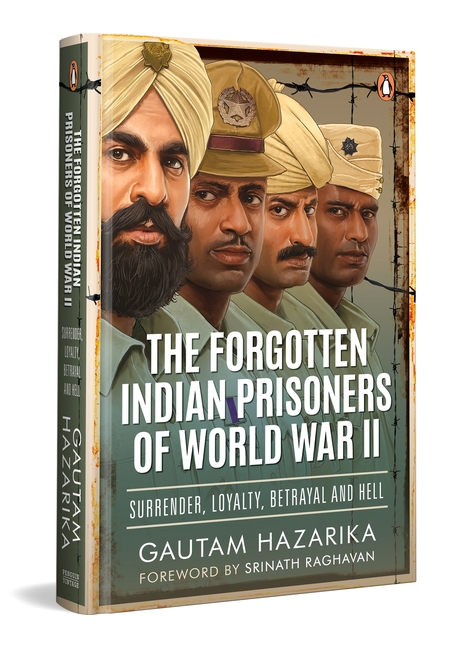
Against the tumultuous backdrop of Singapore in 1942 unfolds the extraordinary saga of Captain Mohan Singh of the 14 Punjab Regiment and the Indian National Army (INA). As the pioneering leader of the INA, Singh’s bold alliance with Japan sought to liberate India from the yoke of British rule but soon encountered treacherous challenges.
In chronicling how INA soldiers fought bravely when they got a chance, as well as the harrowing trials of them enduring starvation and sickness in Burma, this tale unveils a lesser-known chapter of history. The author masterfully follows the INA’s journey through the jungles of Burma to the postwar days in India when it hastened Independence, highlighting Subhas Chandra Bose’s pivotal rise to leadership along the way.
This is also the story of Lieutenant M.M. Pillai’s daring escape from Singapore. Of the grim fate of prisoners of war (POWs) like Warrant Officer John Baptist Crasta, one of 17,000 Indian POWs sent to hard labour camps in the Pacific. Of the war crime trials held by the Australians for Japanese atrocities against these POWs where Subedar Chint Singh was a key witness. Of the wives waiting for years with little news of their soldier-husbands.
Gautam Hazarika’s The Forgotten Indian Prisoners of World War II, enriched by personal accounts and the hard truth, is a testament to loyalty, resilience and the indomitable human spirit
The Unbecoming
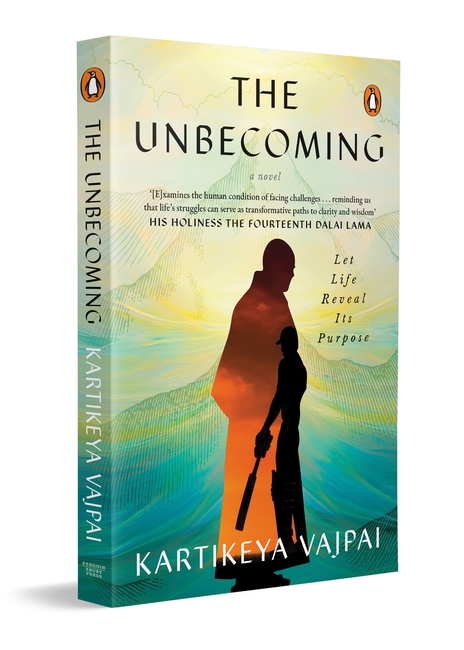
Siddharth Kapoor, long hailed as a paragon of Indian cricket, reaches the peak of his glory only to have a series of crushing defeats shatter his confidence. He realizes that his only hope lies with Ajay Goswami—the
legendary coach whom he once cast aside in anger. Ajay, who forged a champion, has retreated into monastic silence in the distant hills of McLeod Ganj, far from the roar of the crowds he once commanded.
To find his way back, Siddharth must journey into solitude and confront the ego that broke their bond. As these two souls reconcile at the crossroads of their lives, Siddharth faces a profound truth: before he can re-enter the world, he must relinquish the very persona that once defined him. The Unbecoming is a contemplative tale of transformation—spiritual, philosophical and experiential—that charts how renewal begins only when we consent to let the old self dissolve.
Press 9 for a Crime

In a low-income neighbourhood of Delhi, the Anand family’s hopes rest on the elder son, Atul, who has accepted a lucrative job in Bangkok. However, days after his departure, Atul disappears—caught in a brutal cyber scam hub operating out of Cambodia. As the family grapples with Atul’s disappearance, its dynamics are tested. Then, the younger son Aseem—wayward, with a history of half-baked plans and ongoing financial demands—takes matters into his own hands.
Armed with nothing but desperation and a reckless plan, Aseem dives into a deadly world of exploitation and crime. To save his brother, he’ll have to risk everything—including his own life. Can he pull it off?
From the creator of the much-acclaimed web series Grahan, Press 9 for a Crime is a heart-stopping, gripping story of sacrifice, deception, redemption and the power of family in the face of impossible and overwhelming odds.
Assembling India’s Constitution
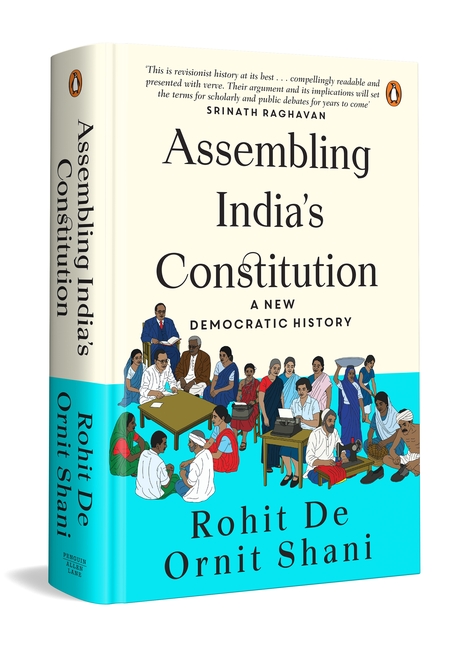
In this paradigm-shifting history, two leading historians of India re-examine the making of the Indian constitution from the perspective of the country’s people. In a departure from dominant approaches that foreground the framing of the text within the Constituent Assembly, Ornit Shani and Rohit De instead demonstrate how it was shaped by diverse publics across India and beyond. They reveal multiple, parallel constitution-making processes underway across the subcontinent, highlighting how individuals and groups transformed constitutionalism into a medium of struggle and a tool for transformation. De and Shani argue that the deep sense of ownership the public assumed over the constitution became pivotal to the formation, legitimacy and endurance of India’s democracy against arduous challenges and many odds. In highlighting the Indian case as a model for thinking through constitution making in plural societies, this is a vital contribution to constitutional and democratic history.