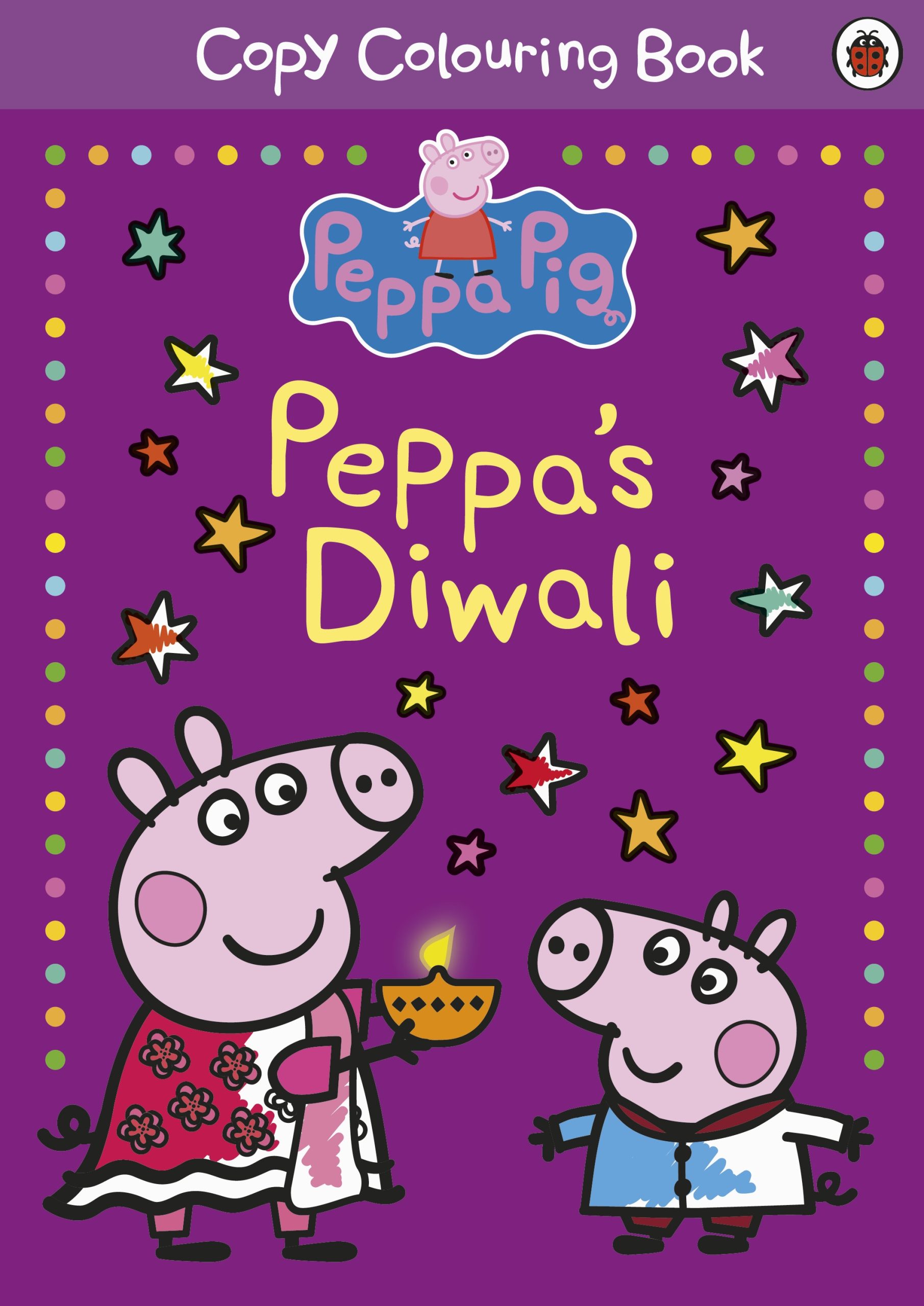
Diwali coloring fun that’s perfect for Peppa Pig fans!
Join Peppa and her family as they celebrate Diwali, the festival of lights, in this beautiful and magical 16-page Copy Colouring book.
Grab your crayons, pencils and pens, and join in the festivities! Copy the colours in the little picture to help you colour in the big picture!
Have fun colouring Peppa and her family enjoying their Diwali celebrations.
With Peppa, colour and celebrate all the special things that make Diwali the most beautiful festival of all!

A visual journey that captures the rich tapestry of the Darjeeling Himalayan Railway, its past, present, and future.
Embark on an enchanting journey with the Darjeeling Himalayan Railway.
A celebration of the legendary Toy Train, Darjeeling Himalayan Railway: A Journey Among the Clouds is an anthology of curated essays that explore the historical, socio-economic, cultural, and technological facets of the DHR. The narrative is interspersed with a unique set of voices that offer a contemporary perspective on the rail route, while seamlessly blending in its history and cultural impact. The volume boasts of a collection of essays from renowned experts such as Dr Bibek Debroy, Gillian Wright, Kaveree Bamzai, Dr. Nilamber Chhetri, and Dr Aparajita Mukhopadhyay and entrepreneurial voices of Anirban Dutta, Sparsh Agarwal, and Husna-Tara Prakash, who showcase the possibility of marrying culture with commerce, especially tourism and tea plantations. But what lies at the heart of this book is the relentless pursuit of those who have preserved this marvel for generations, remarkably brought out in pieces by Dr Vinita Srivastava and Dr. Aishwarya Tipnis
With engaging storytelling, stunning visuals, and informative insights, this volume would certainly take its readers on a journey to the heart of the Himalayas.
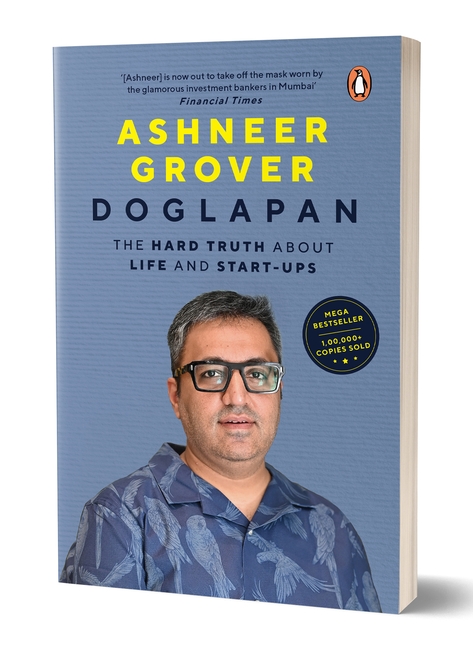
This is the unfettered story of Ashneer Grover-the favourite and misunderstood poster boy of Start-up India.
Raw, gut-wrenching in its honesty and completely from the heart, this is storytelling at its finest.
A young boy with a ‘refugee’ tag growing up in Delhi’s Malviya Nagar outpaces his circumstances by becoming a rank-holder at the pinnacle of academic excellence in India-IIT Delhi. He goes on to do an MBA from the hallowed halls of IIM Ahmedabad, builds a career as an investment banker at Kotak Investment Banking and AmEx, and is pivotal in the making of two unicorns-Grofers, as CFO, and BharatPe, as co-founder.
As a judge on the popular TV show Shark Tank India, Ashneer becomes a household name even as his life turns upside down. Controversy, media spotlight, garrulous social media chatter descend, making it difficult to distinguish fact from fiction.
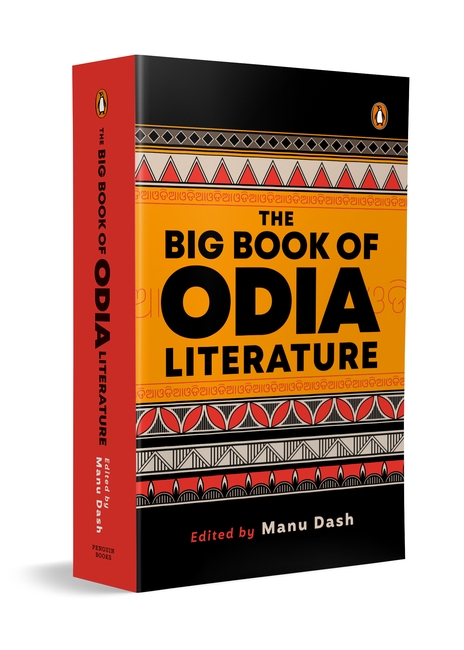
With a literary history spanning centuries, the languages of Odisha have found myriad expression in prose, poetry, mythology, history, and politics.
The Big Book of Odia Literature goes where very few have dared—into a history of language, literature and song that can be traced back all the way to the tenth century.
In this careful curation, The Big Book curates essays, stories, poems, and plays that have defined the culture of a state and a people. A first of its kind, the volume is for lovers of linguistic history and literary traditions.

Are you feeling overwhelmed by the relentless stress of the world? Do you find yourself lost in the chaotic whirlwind of daily life? If yes, it’s time to discover a path to inner peace.
From Chaos to Calm by spiritual guru Gauranga Darshan Das is an enlivening journey designed to help you break free from the shackles of chaos. With a global reputation for insightful wisdom and authorship of over thirty-five illuminating books, Gauranga Darshan Das unveils a transformative road map drawn from the timeless teachings of the Bhagavad-Gita, revealing 108 life-enriching practices.
In this book, find profound insights from the Gita, intertwined with real-life incidents, personal experiences and actionable practices tailored for daily life, making ancient wisdom accessible and relevant in the modern world. Through mindfulness, introspection and self-awareness, From Chaos to Calm guides you towards tranquillity with unwavering clarity and ease.
Prepare to dive into this treatise and unlock the secrets to a life filled with balance and harmony. Your journey to self-enrichment begins now.
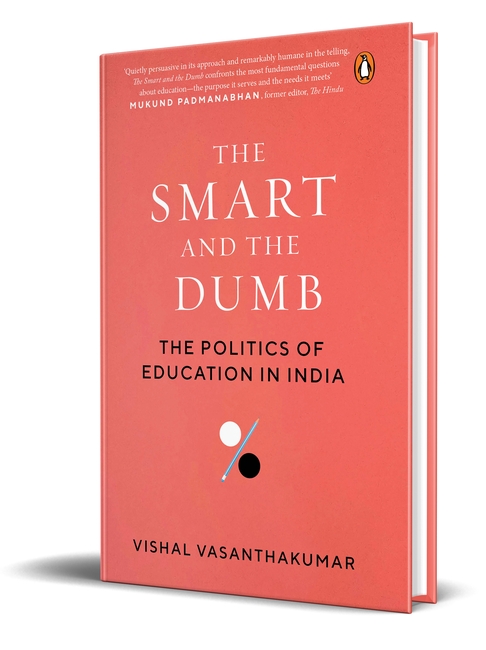
‘When racial and sexual injustice have been reduced, we shall still be left with the grave injustice of the smart and the dumb’—Thomas Nagel
Education achieves many things—it pulls people out of poverty, enables socio-economic mobility and promises a route to dignity. But what does education mean to different people, what does it do and whose needs are being met by education?
Even as globalization and formal education have established themselves as unquestionable truths, only a privileged few have cornered its benefits. In this process, education is being reconceived and its promises are being rewritten. Today, there clearly is more to education than going to school, getting credentials and getting a job.
This book is an attempt to capture what this ‘more’ is, by exploring education’s connections to caste, class and gender and understanding how they affect the promise of education. In documenting the fractured realities of the many children who want guns for Christmas and the psychological trauma of conflict in Manipur, how a ban on toddy-tapping affects educational choices in Tamil Nadu or why a grandmother chose to get her fifteen-year-old granddaughter married to a seventeen-year-old truck driver in rural Rajasthan and many such stories, this book attempts to paint a portrait of the political and cultural processes that affect education.
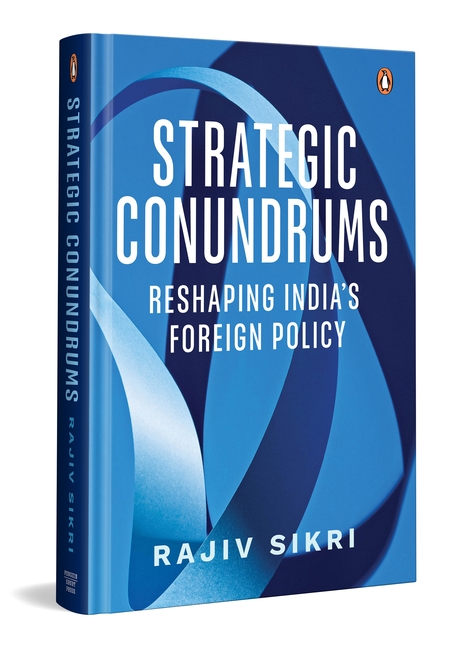
The book examines India’s current and looming foreign policy challenges from a strategic and policy-oriented perspective. It analyzes the long-term factors and trends that should determine the country’s foreign policy formulation. The author urges a reappraisal of India’s approach if it is to become a major player in the complex and rapidly evolving 21st century world.
Strategic Conundrums: Rethinking India’s Foreign Policy focuses on India’s immediate and strategic neighbourhood. It also looks at important issues like energy security, economic diplomacy, the interaction between defence and diplomacy, and foreign policy institutions. A unique feature of the book is that it combines the perspectives of a historian, a diplomat and a scholar. With many new out-of-the-box ideas and policy suggestions, it makes a valuable contribution to the ongoing debate on foreign policy within India’s strategic community.
This lucid and succinct book is a must-read for policy-makers, diplomats and foreign policy analysts. The corporate and business community too will find it professionally relevant. It is also an important knowledge resource for students of Indian politics, international relations, and defence and strategic studies, and others who are interested in India’s foreign policy.
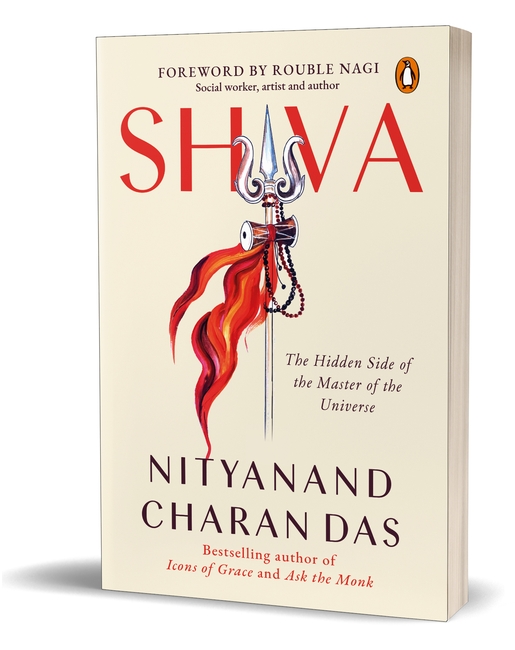
Lord Shiva, the most mystical and enigmatic deity of the Vedic pantheon, remains the most popular and yet, the least understood personality.
From being the destroyer to the most compassionate, being the personification of anger to the one who is easily pleased, living a life of complete detachment from the material to blessing his worshipers with material opulence, he remains a perfect puzzle to most.
Lord Shiva is often depicted in deep meditation, symbolizing transcendence and inner peace. With his third eye, he represents wisdom and insight, capable of both annihilating ignorance and bestowing enlightenment. As the lord of renunciation, he challenges devotees to transcend worldly attachments and embrace spiritual ascension. Yet, he is also the benevolent protector, offering solace and guidance to those in need.
This book explores the side of Shiva that is completely hidden from us, giving us a deeper insight into the unexplored personality that he is.

The story of the kingdom that Ravana had ruled lay over the island like a fading, antique map. The edges of the story were frayed and there were lines disconnected by time, but the landscape it traced, exists.
Demonized as he was after his death, the reign of King Ravana of Lanka, and his ancestors, the powerful Mayuranga, has long been obscured and shrouded in myth. Once, their kingdom is believed to have reached beyond the shores of the island, capturing lands across the seas—a kingdom of that magnitude was never seen again on Lanka. In a bid to shed light on this lost era, Sunela Jayewardene travelled through Sri Lanka, and listened to the storytellers and poets, researched Sri Lanka’s folklore, sifted through race and religion . . . to stitch together a history of a forgotten landscape.
This remarkable, vivid book is the story Sunela learnt of King Ravana and the kingdom that he lost.
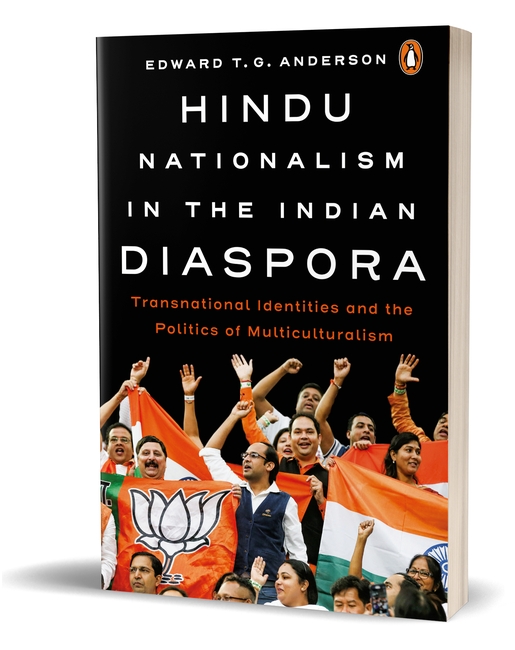
Hindu nationalism is transforming India as an increasingly dominant ideology and political force. But it is also a global phenomenon, with sections of India’s vast and influential diaspora drawn to, or actively supporting, right-wing Hindu nationalism. Indians overseas can be seen as an important, even inextricable, aspect of the movement. This is not a new dynamic—diasporic Hindutva has grown over many decades.
This book explores how and why the movement became popular among India’s diaspora from the second half of the twentieth century. It shows that Hindutva ideology and its plethora of organizations have a distinctive resonance and way of operating overseas; the movement and its ideas perform significant, particular functions for diaspora communities.
Edward T.G. Anderson argues that transnational Hindutva cannot simply be viewed as an export: this phenomenon has evolved and been shaped into an important aspect of diasporic identity, a way for people to connect with their homeland. He also sheds light on the impact of conservative Indian politics on British multiculturalism, migrant politics and relations between various minority communities.